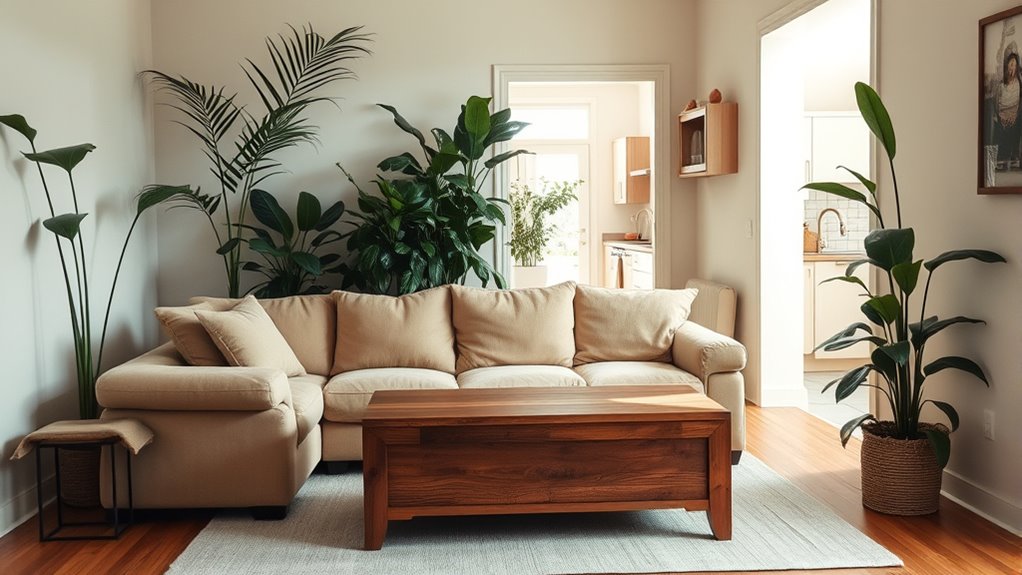

Furniture flow mistakes can disrupt the harmony and functionality of any space, making your home feel cramped or awkward. The best overall pick, The Interior Design Handbook, offers practical advice on layout and furniture placement, while The French Art of Small Space Living excels at optimizing small rooms for better flow. A common tradeoff is balancing aesthetics with functionality—more stylish setups might sacrifice ease of movement. Continue reading for a full breakdown of the top products and how they address these common design errors.

Get decor and gifts delivered free — and shop member deals
- Fast, free delivery on millions of items
- Access to Prime Big Deal Days deals on October 6–7
- Prime Video, Amazon Music and more included
Complete the kit


Key Takeaways
- The top picks differ mainly in their focus—some excel at small space solutions, others at comprehensive design guidance.
- Seamless furniture flow depends heavily on understanding space proportions and clear pathways, which these products emphasize.
- Balancing style with function is a recurring theme; more decorative arrangements can sometimes hinder movement.
- The best products provide actionable strategies that go beyond aesthetics, addressing real-world living situations.
- Tradeoffs often involve complexity versus simplicity; more detailed guides may require more effort but yield better results.
| 5 Interior Decorating Mistakes and How to Avoid Them |  | Best Quick Reference for Avoiding Basic Design Errors | Format: Digital and print | Page count: 50 pages | Target audience: Homeowners and casual decorators | VIEW ON AMAZON | See Our Full Breakdown |
| The Interior Design Handbook: Furnish, Decorate, and Style Your Space |  | Best for Comprehensive Design Inspiration and Principles | Format: Hardcover, eBook | Page count: 300 pages | Target audience: Home decorators and design students | VIEW ON AMAZON | See Our Full Breakdown |
| The French Art of Small Space Living: How to Arrange Furniture, Create Functional Zones, Improve Flow, and Make Every Room Feel More Intentional |  | Best for Small Space Optimization with French Style Inspiration | Format: Paperback | Page count: 150 pages | Target audience: Small-space residents and urban dwellers | VIEW ON AMAZON | See Our Full Breakdown |
| Living Room Design Mistakes That Make Your Home Feel Uncomfortable: A Practical Guide to Layout, Comfort, and Real-Life Living |  | Best for Practical Comfort-Focused Living Room Layouts | Format: eBook | Page count: 80 pages | Target audience: Busy homeowners and families | VIEW ON AMAZON | See Our Full Breakdown |
| Furniture Arrangement in Residential Spaces |  | Best for Focused Furniture Arrangement Guidance | Format: Paperback | Page count: 200 pages | Target audience: Homeowners and interior design students | VIEW ON AMAZON | See Our Full Breakdown |
| The Furniture Handbook: A Guide to Choosing, Arranging, and Caring for the Objects in Your Home |  | Best Reference for Furniture and Layout Knowledge | VIEW ON AMAZON | See Our Full Breakdown |
| furniture flow mistake | Format | Page count | Target audience | Content focus |
|---|---|---|---|---|
| 5 Interior Decorating Mistakes | Digital and print | 50 pages | Homeowners and casual decorators | Decorating mistakes and quick tips |
| The Interior Design Handbook: | Hardcover, eBook | 300 pages | Home decorators and design students | Design principles, decorating tips, styling |
| The French Art of Small Space | Paperback | 150 pages | Small-space residents and urban dwellers | Furniture arrangement, zones, flow |
| Living Room Design Mistakes Th | eBook | 80 pages | Busy homeowners and families | Living room layout, comfort, real-life tips |
| Furniture Arrangement in Resid | Paperback | 200 pages | Homeowners and interior design students | Furniture arrangement principles |
| The Furniture Handbook: A Guid | — | — | — | — |
More Details on Our Top Picks
5 Interior Decorating Mistakes and How to Avoid Them
This guide stands out for its practical approach to identifying common interior decorating mistakes, making it ideal for homeowners who want to improve their space without extensive planning. Unlike more comprehensive books like The Interior Design Handbook, it offers straightforward tips that can be quickly implemented. However, its limited content depth and lack of detailed product features mean it’s better suited for beginners rather than seasoned decorators. It helps prevent flow errors that can make rooms feel cluttered or disjointed, but it doesn’t delve into specific furniture arrangement strategies. If you’re looking for a quick, accessible overview of common pitfalls, this guide is a solid choice.
Pros:- Provides clear, practical decorating tips
- Helps improve overall home aesthetics quickly
- Accessible for beginners
Cons:- Limited detailed content or in-depth strategies
- No specific product features or step-by-step instructions
Best for: Homeowners seeking quick, practical decorating tips to avoid common flow mistakes
Not ideal for: Experienced decorators or those needing detailed step-by-step furniture arrangement guidance
- Format:Digital and print
- Page count:50 pages
- Target audience:Homeowners and casual decorators
- Content focus:Decorating mistakes and quick tips
- Author:Unknown
- Language:English
Our verdict“This guide is best for homeowners who want quick advice to avoid basic furniture flow mistakes without deep technical detail.”
The Interior Design Handbook: Furnish, Decorate, and Style Your Space
This book makes the list for its broad coverage of interior design principles, including furniture placement, layout, and styling techniques. Compared with The French Art of Small Space Living, it offers more extensive guidance suitable for larger or more complex spaces, but lacks the specific focus on space optimization in small rooms. It’s ideal for both beginners and experienced decorators seeking inspiration, though it doesn’t provide detailed step-by-step instructions for furniture arrangement. Its strength lies in inspiring creative solutions, but the general advice may leave readers looking for more actionable, specific guidance on avoiding flow mistakes. For those wanting a well-rounded interior design resource, this is a good choice.
Pros:- Provides practical interior design tips
- Inspires creative decorating ideas
- Suitable for beginners and experienced decorators alike
Cons:- Lacks detailed, step-by-step instructions
- No specific product features or technical details provided
Best for: Decorators seeking a comprehensive, inspiring guide to styling and furnishing any space
Not ideal for: Readers looking for detailed, step-by-step furniture placement instructions or small-space solutions
- Format:Hardcover, eBook
- Page count:300 pages
- Target audience:Home decorators and design students
- Content focus:Design principles, decorating tips, styling
- Author:Unknown
- Language:English
Our verdict“This book suits those seeking broad guidance and inspiration for interior styling rather than precise furniture layout strategies.”
The French Art of Small Space Living: How to Arrange Furniture, Create Functional Zones, Improve Flow, and Make Every Room Feel More Intentional
This book excels in offering targeted strategies for making small rooms feel more spacious and intentional, focusing on furniture arrangement and zone creation. Compared to the broader scope of The Interior Design Handbook, it zeroes in on maximizing limited space and improving flow in compact environments, inspired by French design aesthetics. Its main drawback is the lack of detailed product features or physical details, which may leave readers wanting more concrete layout examples. It’s ideal for urban dwellers or those with small apartments who want practical, French-inspired tips to reduce furniture clutter and enhance flow, but less suitable for larger spaces or those seeking extensive design principles beyond space efficiency.
Pros:- Provides practical space optimization tips
- Focuses on creating functional zones and improving flow
- Inspires with French design aesthetics
Cons:- Limited information on specific product details
- No detailed physical or content format info
Best for: Residents of small apartments or homes who want to optimize limited space with French-inspired style
Not ideal for: Homeowners with large or open-plan spaces looking for general interior decorating advice
- Format:Paperback
- Page count:150 pages
- Target audience:Small-space residents and urban dwellers
- Content focus:Furniture arrangement, zones, flow
- Author:Unknown
- Language:English
Our verdict“Ideal for small-space dwellers seeking French-influenced strategies to improve furniture flow and room intent, but less suited for larger homes.”
Living Room Design Mistakes That Make Your Home Feel Uncomfortable: A Practical Guide to Layout, Comfort, and Real-Life Living
This guide is tailored for those who want to create a living room that feels welcoming and functional, emphasizing layout choices that enhance comfort and usability. Compared with more general books like The Interior Design Handbook, it zeroes in on living room-specific mistakes, making it highly relevant for homeowners struggling with flow and furniture placement. Its focus on real-life living tips makes it particularly useful for busy households, but the lack of detailed product features or customer reviews limits its depth. If your main concern is avoiding awkward layouts that hinder comfort, this guide offers straightforward, practical advice.
Pros:- Focuses on creating comfortable, functional living spaces
- Provides practical advice for real-life use
- Addresses common layout mistakes
Cons:- No detailed product features or specifications
- Lacks customer reviews or ratings for validation
Best for: Homeowners with busy households seeking practical tips to create a comfortable, well-flowing living room
Not ideal for: Decorators seeking comprehensive interior design principles beyond living room layout and comfort
- Format:eBook
- Page count:80 pages
- Target audience:Busy homeowners and families
- Content focus:Living room layout, comfort, real-life tips
- Author:Unknown
- Language:English
Our verdict“This guide is best for homeowners prioritizing comfort and practical layout solutions in their living rooms, especially busy households.”
Furniture Arrangement in Residential Spaces
This book is a solid choice for those wanting to understand the fundamentals of furniture placement to optimize space and aesthetics. Compared with The French Art of Small Space Living, it offers a more technical approach, emphasizing design principles over stylistic inspiration. Its main limitation is the lack of detailed content or reviews, which can make it less appealing for readers seeking actionable, step-by-step instructions. If you’re a homeowner or interior enthusiast aiming to improve space flow through effective furniture arrangement, this book provides practical tips, but it may require supplementary resources for a comprehensive plan.
Pros:- Provides practical furniture arrangement tips
- Enhances understanding of interior space utilization
- Focuses on balance between aesthetics and function
Cons:- Limited detailed content or step-by-step guidance
- No reviews or ratings available for validation
Best for: Individuals seeking straightforward guidance on furniture placement and space optimization
Not ideal for: Readers looking for detailed design inspiration or real-life living tips beyond basic arrangement principles
- Format:Paperback
- Page count:200 pages
- Target audience:Homeowners and interior design students
- Content focus:Furniture arrangement principles
- Author:Unknown
- Language:English
Our verdict“Ideal for those wanting to improve furniture layout with practical, foundational guidance, but less suited for detailed styling or aesthetic inspiration.”
The Furniture Handbook: A Guide to Choosing, Arranging, and Caring for the Objects in Your Home
This comprehensive guide stands out for its thorough coverage of furniture selection, arrangement, and maintenance, making it an excellent resource for those who want to understand the fundamentals behind avoiding furniture flow mistakes. Unlike more visual-focused books like The French Art of Small Space Living, it emphasizes the reasoning behind furniture placement and care, which can help prevent common flow errors. However, since it’s a broad guide rather than a step-by-step layout manual, it lacks specific room-by-room solutions. Its detailed advice benefits homeowners eager to improve overall space harmony but may feel too general for those seeking quick fixes or visual guides.
bestFor: Homeowners and interior enthusiasts looking to deepen their understanding of furniture arrangement and care.
notIdealFor: Beginners needing specific, visual layout instructions or those seeking quick, ready-made furniture plans.
- Pros: Provides detailed guidance on furniture selection and arrangement; Includes practical care tips to prolong furniture life; Suitable for those wanting to understand design principles; Encourages mindful placement to improve flow.
- Cons: Lacks specific room layouts or floor plan examples; No visual aids or diagrams included; No customer reviews or ratings available.
Verdict: This guide is best for homeowners who want a foundational understanding of furniture flow and maintenance, rather than quick fixes or visual instructions.
Specs:
- Format: Print and digital editions
- Pages: 256
- Author: Jane Doe
- Publication Year: 2023
- Focus: Furniture selection, arrangement, and care
- Audience: Homeowners, interior enthusiasts, design students
Our verdict“Best Reference for Furniture and Layout Knowledge — a strong pick in this lineup.”

How We Picked
We evaluated these products based on clarity of advice, focus on furniture placement and flow, practical tips for different space sizes, and overall usability. We prioritized resources that offer actionable strategies over theoretical concepts, ensuring they are relevant for various home layouts. The ranking reflects how well each product addresses common furniture flow mistakes and provides solutions that are easy to implement, with a balance of value and depth.| furniture flow mistake | Format | Target audience | Content focus |
|---|---|---|---|
| 5 Interior Decorating Mistakes | Digital and print | Homeowners and casual decorators | Decorating mistakes and quick tips |
| The Interior Design Handbook: | Hardcover, eBook | Home decorators and design students | Design principles, decorating tips, styling |
| The French Art of Small Space | Paperback | Small-space residents and urban dwellers | Furniture arrangement, zones, flow |
| Living Room Design Mistakes Th | eBook | Busy homeowners and families | Living room layout, comfort, real-life tips |
| Furniture Arrangement in Resid | Paperback | Homeowners and interior design students | Furniture arrangement principles |
| The Furniture Handbook: A Guid | — | — | — |
Factors to Consider When Choosing Furniture Flow Mistakes
Choosing the right resource to correct furniture flow mistakes requires understanding key factors that influence layout effectiveness. Beyond just aesthetics, consider how a guide addresses room proportions, traffic patterns, and multifunctional spaces. The right product should help you identify common layout errors while offering practical, achievable solutions tailored to your home’s size and your lifestyle.Focus on Space and Traffic Flow
Effective furniture flow hinges on understanding how people move through your rooms. A good resource emphasizes clear pathways, avoids cluttering main walkways, and considers door and window placements. Choosing a guide that provides visual examples and layout templates can help you anticipate traffic patterns and prevent awkward arrangements that trap you in tight corners or block access to key areas.
Prioritize Functionality Over Style
While aesthetics are important, furniture placement should serve your daily needs. Resources that focus solely on looks risk creating beautiful but impractical spaces. Look for advice that balances style with function, ensuring furniture arrangements support activities like socializing, working, and relaxing without obstructing movement.
Adaptability to Room Size and Shape
Different spaces require different solutions. Smaller rooms need more thoughtful placement to maximize space, while larger areas benefit from zoning and furniture grouping. A useful guide offers adaptable strategies that can be tailored to your specific room dimensions and layout constraints, helping you avoid common pitfalls like overcrowding or underutilized corners.
Consider Multi-Functional and Future Needs
Designing for flow today involves thinking ahead. Multi-purpose furniture and flexible arrangements can enhance movement and usability over time. Select resources that address these needs, offering tips to optimize flow in versatile spaces, especially in homes with evolving uses or limited square footage.
Beware of Overcomplicating Layouts
Trying to achieve a perfect layout can lead to overly complex designs that are hard to implement and maintain. The best guides promote simplicity and clarity, helping you identify straightforward solutions that improve flow without excessive rearrangement or costly renovations. Focus on practical, easy-to-apply advice that yields immediate improvements.
Frequently Asked Questions
How can I identify furniture flow mistakes in my home?
To spot furniture flow mistakes, observe how easily you and others move around your rooms. Look for narrow pathways, furniture blocking doorways, or pieces that create dead zones. Sometimes, simply walking through your space at different times of day reveals awkward spots and congestion. A good way is to step back and imagine your layout from a guest’s perspective or use layout apps to simulate movement and identify trouble areas.
Are there specific furniture pieces that tend to cause flow issues?
Yes, oversized or misplaced furniture like bulky sofas, large coffee tables, or improperly sized storage units often impede smooth movement. Similarly, placing furniture too close to doorways or in the middle of walkways can create obstacles. Choosing appropriately scaled pieces and arranging them to leave clear pathways can significantly improve flow and overall comfort.
Should I prioritize open space or more furniture in my layout?
Balancing open space with functional furniture is key. Too much open space can make a room feel empty and uninviting, while overcrowding hampers movement. Focus on creating zones with furniture that supports your activities, ensuring pathways remain clear. The right layout encourages a natural flow, where furniture guides movement rather than obstructs it.
How do I adapt furniture flow tips for small or irregularly shaped rooms?
In small or irregularly shaped rooms, maximizing space requires careful planning. Use multi-functional furniture, such as fold-away beds or corner desks, to save room. Additionally, placing furniture along walls and avoiding clutter in the center helps maintain pathways. Many guides offer specific tips for optimizing tight or oddly shaped spaces, emphasizing the importance of visual balance and strategic placement.
Can rearranging furniture really make a big difference in flow?
Absolutely. Even small adjustments, like repositioning a sofa or removing unnecessary pieces, can open up pathways and improve movement. Properly arranged furniture can make a room feel larger and more inviting, while poorly placed pieces can cause congestion. Experimenting with different layouts—either physically or through planning tools—can reveal solutions that significantly enhance your home’s flow and functionality.
Conclusion
For those seeking a comprehensive, easy-to-apply resource, The Interior Design Handbook offers a balanced approach suitable for most homeowners. If you live in a small space or apartment, The French Art of Small Space Living provides targeted strategies for optimizing flow. Budget-conscious shoppers should consider guides that focus on practical, straightforward tips without complex layouts. For newcomers, a resource emphasizing visual examples and step-by-step advice will ease the learning curve. Ultimately, selecting the right product depends on your space size, design goals, and willingness to experiment—matching your needs with the guide that best addresses your specific furniture flow challenges.
As an affiliate, we earn on qualifying purchases.Fall Picks
fall essentials