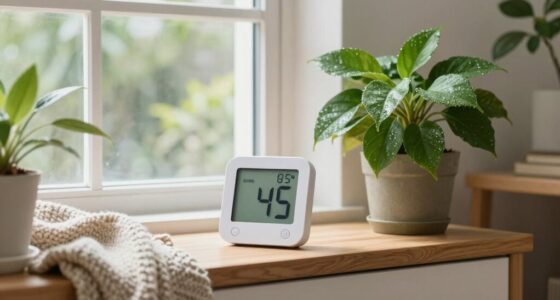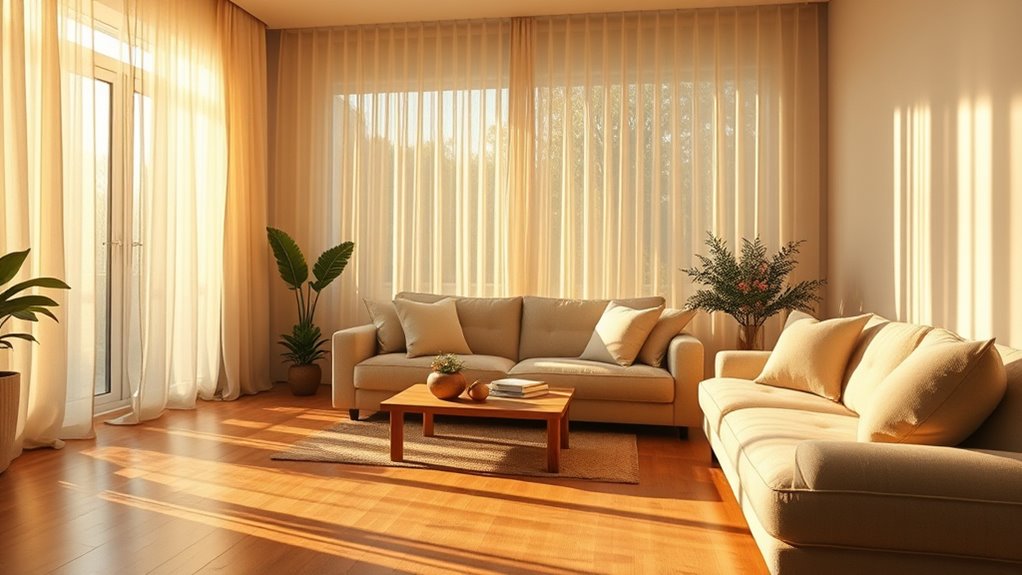

Proper lighting in your home plays a vital role in aligning your circadian rhythm, which affects your sleep quality, mood, and comfort. Exposure to natural light during the day helps keep your internal clock on track, while warm, dim lighting at night signals your body to relax and prepares you for sleep. Using smart lighting and adjusting your environment can make a big difference. Keep exploring to discover more ways to optimize your home for better well-being.

Get decor and gifts delivered free — and shop member deals
- Fast, free delivery on millions of items
- Access to Prime Big Deal Days deals on October 6–7
- Prime Video, Amazon Music and more included
Key Takeaways
- Proper lighting mimics natural light cycles, helping to regulate the body’s internal circadian rhythm and improve sleep quality.
- Exposure to bright, blue-enriched light during the day enhances alertness, while warm, dim lighting in the evening promotes relaxation.
- Using dimmable or smart lighting systems that gradually reduce brightness supports a natural transition to sleep.
- Artificial light spectrum influences melatonin production; blue light at night can disrupt sleep and reduce home comfort.
- Optimizing home lighting with natural light exposure and appropriate artificial lighting enhances overall well-being and daytime energy.
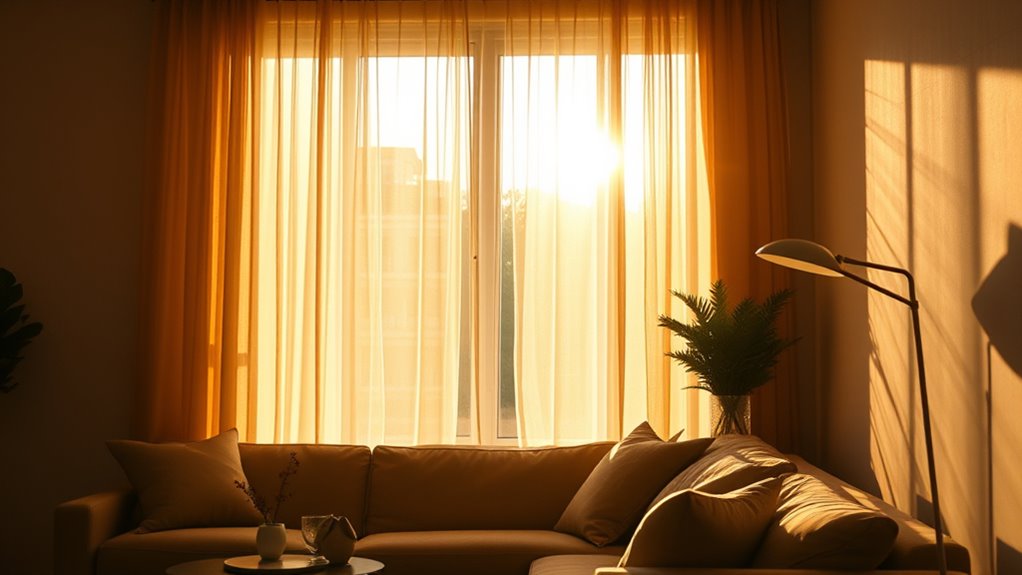
Have you ever wondered how your environment influences your body’s internal clock? It’s a fascinating connection, and understanding it can dramatically improve your home comfort. One key factor is light quality, which plays a crucial role in sleep regulation. When you’re exposed to natural light during the day, your body receives signals that it’s daytime—boosting alertness and productivity. Conversely, as evening approaches, the shift in light quality to dimmer, warmer tones prepares your body for rest. This natural progression helps synchronize your internal clock with the outside world, making it easier to fall asleep and stay asleep.
The importance of light quality extends beyond just brightness levels; it also involves the spectrum of light you’re exposed to. Natural sunlight has a broad spectrum that supports your circadian rhythm, whereas artificial lighting can vary considerably. Cool, bluish-white lights mimic daylight and can suppress melatonin production, the hormone responsible for sleep. If you’re working late under harsh, blue-toned LEDs or fluorescent lights, you might find it harder to wind down at night. On the other hand, warmer, softer lighting in the evening encourages sleep regulation by signaling to your brain that it’s time to relax and prepare for sleep. Adjusting your home lighting to match these natural cues can make a noticeable difference in your sleep quality and overall comfort.
Your home environment’s lighting setup can either support or hinder your circadian rhythm. Bright, artificial lighting during the evening can disrupt your sleep cycle, leaving you feeling tired and groggy the next day. To optimize sleep regulation, consider using dimmable lights or warm-colored bulbs in the hours before bedtime. Installing smart lighting systems that gradually dim as the night progresses can mimic natural sunset patterns, helping your body transition smoothly into sleep mode. During the day, maximize exposure to natural daylight by opening curtains or spending time near windows. This not only boosts your mood and energy levels but also reinforces your internal clock’s timing. Additionally, understanding the impact of artificial light spectrum on melatonin production can guide you in choosing the right lighting options for your home.
Incorporating good lighting practices into your home environment isn’t just about comfort; it’s about aligning your internal clock with the natural day-night cycle. By paying attention to light quality and adjusting your lighting to support healthy sleep regulation, you create a space that promotes well-being and restful nights. It’s a simple yet powerful way to enhance your daily routine, ensuring you wake up refreshed and ready for the day ahead. Your environment truly has the power to influence your internal rhythm—embrace it, and experience the benefits of a balanced circadian cycle.
As an affiliate, we earn on qualifying purchases.
Frequently Asked Questions
How Can I Customize Lighting for Different Moods at Home?
You can customize lighting for different moods by using layered lighting design. Incorporate dimmable bulbs, warm tones for relaxation, and bright, cool lights for focus. Use smart switches or app-controlled fixtures to easily change settings. Add accent lighting or colored bulbs to create specific atmospheres. With strategic placement and adjustable options, you’ll effortlessly shift your home’s ambiance, enhancing mood creation and making each space feel perfectly tailored to your needs.
What Are the Best Light Colors for Improving Sleep Quality?
Did you know that exposure to blue light before bed can delay sleep? To improve sleep quality, opt for warmer colors with a lower color temperature, around 2700K to 3000K. Use light layering by combining dim, warm-toned lights in your bedroom to create a relaxing environment that promotes melatonin production, helping you fall asleep faster and enjoy deeper rest.
How Does Lighting Affect Mental Health and Productivity?
Lighting considerably influences your mental health and productivity through light exposure and mood regulation. Bright, natural light helps boost your mood, keep you alert, and improve focus during the day. Conversely, poor lighting can cause fatigue or irritability. By adjusting your lighting to match your activities, you support better mental well-being and enhance your ability to concentrate, ultimately creating a more comfortable and productive home environment.
Can Smart Lighting Adapt to Individual Circadian Needs?
Yes, smart lighting can adapt to your personal circadian needs through adaptive lighting technology. It automatically adjusts brightness and color temperature based on your daily schedule, helping you wake up refreshed and wind down naturally. When you set your preferences, the system fine-tunes the lighting to support your body’s rhythms, enhancing comfort and well-being. This personalized approach makes your home environment more aligned with your natural cycle.
What Are the Long-Term Health Effects of Poor Lighting Choices?
Ignoring proper lighting can lead to long-term health issues like eye strain and sleep disruption. For example, someone working under harsh, inconsistent lighting may develop chronic headaches and poor sleep quality over time. Poor lighting disrupts your circadian rhythm, increasing stress and reducing overall well-being. By choosing appropriate, well-designed lighting, you protect your eyes and promote better sleep, ultimately enhancing your daily comfort and health.
Conclusion
By now, you see how essential lighting is to your circadian rhythm and overall comfort. When you align your lighting with natural patterns, you help your body stay in sync, boosting your mood and sleep quality. Don’t forget, it’s often the little things that make the biggest difference. So, take control of your environment; it’s true that a well-lit space can be a game-changer for your well-being.
Evergreen bestsellers Picks
bestsellers
As an affiliate, we earn on qualifying purchases.