To manage indoor humidity effectively, use dehumidifiers to reduce excess moisture and prevent mold, bacteria, and dust mites, especially in damp areas. Humidifiers add moisture to dry air, easing skin and respiratory issues during winter or in arid environments. Maintaining ideal levels between 30-50% improves air quality and comfort. Choosing the right device for your space and understanding features like auto shut-off can make a big difference. Keep exploring to learn how to enhance your indoor climate.
Key Takeaways
- Dehumidifiers reduce excess moisture to prevent mold and dust mites, while humidifiers add moisture to dry air for comfort.
- Maintaining indoor humidity between 30%-50% improves air quality and reduces respiratory issues.
- Proper device selection depends on room size, humidity levels, and specific needs for optimal efficiency.
- Regular cleaning and maintenance of these devices ensure effective operation and improved indoor air quality.
- Using energy-efficient models helps manage costs and supports sustainable indoor climate control.

Whether you’re trying to combat excess moisture or add humidity to dry air, dehumidifiers and humidifiers are essential tools for maintaining a comfortable and healthy indoor environment. Proper humidity levels directly impact air quality, helping you breathe easier and reducing the growth of mold, bacteria, and dust mites. When you choose the right device, you not only enhance your indoor air quality but also maximize energy efficiency, saving you money on utility bills and reducing your environmental footprint.
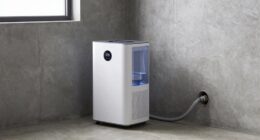
Dehumidifiers are designed to remove excess moisture from the air, which is especially important in humid climates or areas prone to dampness. High humidity can cause musty odors, promote mold growth, and worsen respiratory issues. By maintaining indoor humidity levels between 30% and 50%, you ensure that the air remains comfortable and safe. Modern dehumidifiers are built with energy-efficient features like auto shut-off and adjustable humidity settings. These features allow you to run the device only when necessary, which minimizes power consumption and keeps your energy costs low. Additionally, some models include smart sensors that automatically adjust operation based on ambient moisture levels, further enhancing their energy efficiency.
On the other hand, humidifiers add moisture to dry indoor air, which is beneficial during winter months or in arid environments. Dry air can cause skin irritation, respiratory discomfort, and exacerbate allergy symptoms. A humidifier helps restore moisture to the air, improving overall air quality and comfort. To maximize energy efficiency, look for units with adjustable output settings and automatic shut-off features. Ultrasonic humidifiers, for example, consume less power and operate quietly, making them ideal for bedrooms or offices. Proper maintenance, like regular cleaning and using distilled water, also ensures your humidifier works efficiently without wasting energy or spreading bacteria.
Both dehumidifiers and humidifiers contribute to a healthier indoor environment, but their effectiveness depends on selecting a device that suits your specific needs. Consider the size of your space, the typical humidity levels, and your energy-saving priorities when making a choice. Well-maintained units that are appropriately sized for your room will operate more efficiently, reducing unnecessary energy use and improving air quality. Additionally, understanding sound healing science can help you choose quieter, more effective devices that don’t disrupt your daily routines. Ultimately, investing in quality, energy-efficient models helps you create a balanced indoor climate, ensuring comfort and health without inflating your energy bills. With the right approach, these devices become valuable tools for managing indoor humidity and maintaining ideal air quality year-round.
Frequently Asked Questions
How Energy-Efficient Are Different Types of Dehumidifiers and Humidifiers?
You’ll find that energy consumption varies among dehumidifiers and humidifiers, affecting their cost efficiency. Portable models generally use less energy, making them more cost-efficient for smaller spaces. High-efficiency units with Energy Star ratings consume less power, saving you money over time. Humidifiers with adjustable settings help optimize energy use, while larger dehumidifiers may draw more electricity but offer faster moisture control. Choosing the right type balances energy efficiency and your specific needs.
Can Dehumidifiers and Humidifiers Be Used Together Safely?
Yes, you can use dehumidifiers and humidifiers together safely if you guarantee dual device compatibility and follow safety precautions. Make sure both devices are rated for continuous operation and don’t overuse them, as too much humidity adjustment can cause issues. Keep them away from water sources, unplug when not in use, and monitor humidity levels regularly. This approach helps maintain a comfortable, healthy indoor environment safely.
What Maintenance Is Required to Ensure Optimal Performance?
Imagine your dehumidifier or humidifier working efficiently, but you notice it’s not performing well. To keep it ideal, you should regularly replace filters and clean the water tray. For example, a homeowner found that weekly filter replacements and water tray cleaning improved air quality and device efficiency. Consistent maintenance like checking filters and removing dust ensures your device runs smoothly and lasts longer.
How Do I Choose the Right Device for My Room Size?
To select the right device for your room size, first measure the room’s square footage. Then, match that with the device capacity, which indicates how much humidity it can handle per hour. A larger room needs a higher capacity unit to effectively regulate humidity, while smaller spaces require a more compact model. Always check the manufacturer’s recommendations to guarantee your chosen device fits your specific room size for ideal performance.
Are There Health Risks Associated With Improper Humidity Levels?
Poorly managed moisture may cause health symptoms like coughing, congestion, and allergies. Too much humidity fosters mold growth, which can trigger asthma and respiratory issues, while too little can cause skin dryness and irritation. Maintaining balanced humidity levels reduces these risks, helping you breathe easier and stay healthier. So, keep an eye on your indoor environment to prevent health hazards caused by improper humidity.
Conclusion
Whether you choose a dehumidifier to reduce excess moisture or a humidifier to add needed humidity, understanding their roles helps you create a comfortable, healthy indoor environment. By controlling humidity levels, you protect your home, safeguard your health, and enhance your comfort. So, take charge of your space, balance the air, and enjoy the benefits of a well-maintained indoor climate. Because when you manage humidity wisely, you improve your life—every day, in every room.