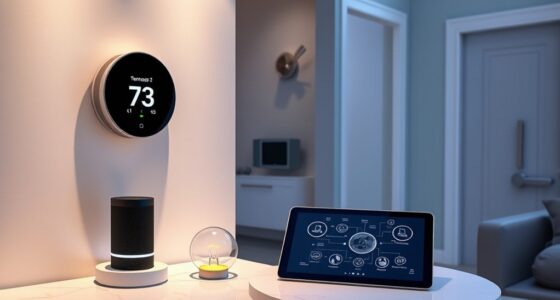
With local control, you’ll feel more immediate responsiveness and less reliance on internet stability, reducing downtime risks during essential moments. However, hardware failures or maintenance issues could cause delays or data loss if not managed properly. Cloud solutions often provide enhanced reliability through robust infrastructure and redundant systems, but internet disruptions can impact access and performance. Understanding these differences helps you decide what suits your operational needs, and exploring further reveals how to optimize reliability in both options.
Key Takeaways
- Local control offers immediate data access, reducing downtime caused by internet outages.
- Cloud solutions depend on stable internet, with outages potentially impacting system availability.
- Proper local backups and redundancy are essential to prevent data loss in hardware failures.
- Cloud providers invest heavily in infrastructure to ensure high uptime and resilience.
- Reliability perceptions depend on infrastructure quality, maintenance, and contingency planning in both setups.
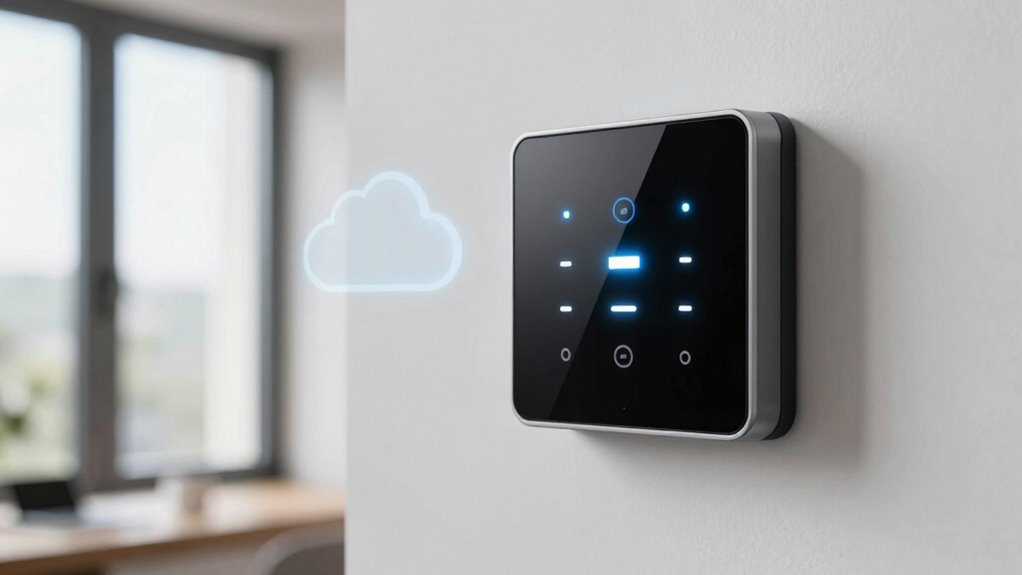
As technology advances, the debate between local control and cloud-based solutions becomes increasingly relevant for businesses and individuals alike. You’re faced with a critical choice: do you keep your data and systems on-site, or do you rely on the cloud? Each option offers distinct advantages and challenges, especially when it comes to data privacy and system latency. When you opt for local control, you retain full oversight of your data. This means your sensitive information stays within your physical infrastructure, giving you greater confidence in its privacy and security. You don’t have to worry about third-party access or potential breaches from external servers. Additionally, with local systems, you can customize security measures to fit your specific needs, providing peace of mind that your data remains confidential. However, this control comes with its own set of challenges. System latency, for example, can be an issue if your hardware isn’t optimized or if you need to access data remotely. You might experience delays in processing or retrieving information, especially during high-demand periods. Maintaining hardware and software also demands ongoing effort and investment, which can be resource-intensive. Moreover, reliance on local control means that if there is a hardware failure, data loss or downtime could occur unless proper backup solutions are in place.
On the other hand, cloud-based solutions offer the allure of convenience and scalability. With the cloud, your data is stored on remote servers maintained by third-party providers. This setup simplifies data management, backups, and updates, often leading to faster deployment and easier access from anywhere. But you need to consider data privacy carefully. Relying on cloud providers means trusting them to safeguard your information, which may not always align with your privacy standards. Breaches or misconfigurations could expose sensitive data, making security a significant concern. Additionally, system latency can affect your experience, especially if your internet connection isn’t reliable or if the cloud provider’s servers are experiencing delays. While cloud providers invest heavily in infrastructure to minimize latency, it can still be noticeable during critical operations or time-sensitive tasks. Selecting reputable providers with regulated data policies can help mitigate privacy concerns and ensure compliance.
Ultimately, your choice depends on your priorities. If you value total control over your data privacy and can tolerate potential latency issues, local control might be the better option. Conversely, if you prefer ease of use, scalability, and don’t mind trusting a third party with your data, the cloud could serve your needs well. Recognize that neither is perfect; understanding these reliability differences enables you to make informed decisions that align with your operational goals and security standards. The key is striking a balance that suits your specific requirements, ensuring you’re prepared for the challenges and benefits each approach offers.
Frequently Asked Questions
How Does Latency Differ Between Local Control and Cloud Systems?
You’ll notice latency is lower with local control because it relies on network stability, minimizing delays. Data synchronization happens instantly, ensuring real-time responses. In contrast, cloud systems may experience higher latency due to internet dependency, causing delays in data transfer. This difference affects how quickly you can respond to system changes, making local control more reliable for immediate actions, especially when network stability is strong.
What Are the Cost Implications of Local Control Versus Cloud Solutions?
You’ll find that local control often offers better cost efficiency because it minimizes ongoing subscription fees and reduces reliance on external providers. However, cloud solutions excel in scalability, allowing you to easily expand capabilities without hefty upfront investments. While cloud may seem more expensive long-term, its flexibility can save you money as your needs grow. Ultimately, your choice depends on balancing immediate savings with future scalability and operational costs.
How Secure Are Local Control Systems Compared to Cloud Options?
You might think local control systems are more secure, but cybersecurity concerns and data privacy risks remain. While you control access physically, cyber threats can still exploit vulnerabilities. Cloud options offer advanced security measures, but they also pose risks if data isn’t properly protected. Ultimately, your security depends on diligent safeguards, whether local or cloud. Stay vigilant—both require proactive measures to keep your data safe from unseen threats.
Can Local Control Systems Integrate With Existing Smart Home Devices?
Yes, local control systems can integrate with existing smart home devices, but you might face some integration challenges. While they offer reliable remote accessibility, setting them up with diverse devices may require compatible hubs or custom configurations. You’ll want to check device compatibility upfront and be prepared for potential troubleshooting. With careful planning, you’ll enjoy seamless control and the security of local management without sacrificing remote access.
What Are the Maintenance Requirements for Each System Type?
You’ll find that local control systems generally require less frequent maintenance, often just routine checks and hardware upgrades every few years. Cloud systems, however, need more ongoing maintenance, like software updates and monitoring for connectivity issues. With local control, you’re less dependent on internet stability, reducing downtime. Cloud systems demand regular updates to guarantee security and performance, so plan for more frequent maintenance tasks to keep everything running smoothly.
Conclusion
Choosing between local control and cloud depends on your priorities. For instance, a small business managing sensitive data locally might avoid outages and security breaches better than relying solely on the cloud. Conversely, a large enterprise benefiting from cloud redundancy can ensure continuous service even if local systems fail. Ultimately, understanding your needs helps you decide which offers the reliability you require—whether it’s the immediate access of local control or the resilience of cloud solutions.