Before using GPS tracking for a loved one with dementia, you should establish a family agreement to make certain everyone understands the device’s purpose, usage, and boundaries. This helps address privacy concerns, maintain trust, and make sure the technology is used responsibly and ethically. Clear communication about expectations and ongoing monitoring aren’t just helpful—they’re essential to respect your loved one’s dignity. If you want practical steps on creating a solid family agreement, keep going.

Get decor and gifts delivered free with Prime
- Fast, free delivery on millions of items
- Prime Video, Amazon Music and more included
- Member-only deals all year
Key Takeaways
- Establish clear understanding and boundaries among family members before implementing GPS tracking.
- Address privacy concerns to balance safety with the loved one’s dignity and autonomy.
- Provide comprehensive training on device operation and data interpretation for responsible use.
- Maintain open communication and regular reassessments to adapt the agreement as needs evolve.
- Ensure legal and ethical considerations guide the use of GPS technology to protect rights and well-being.
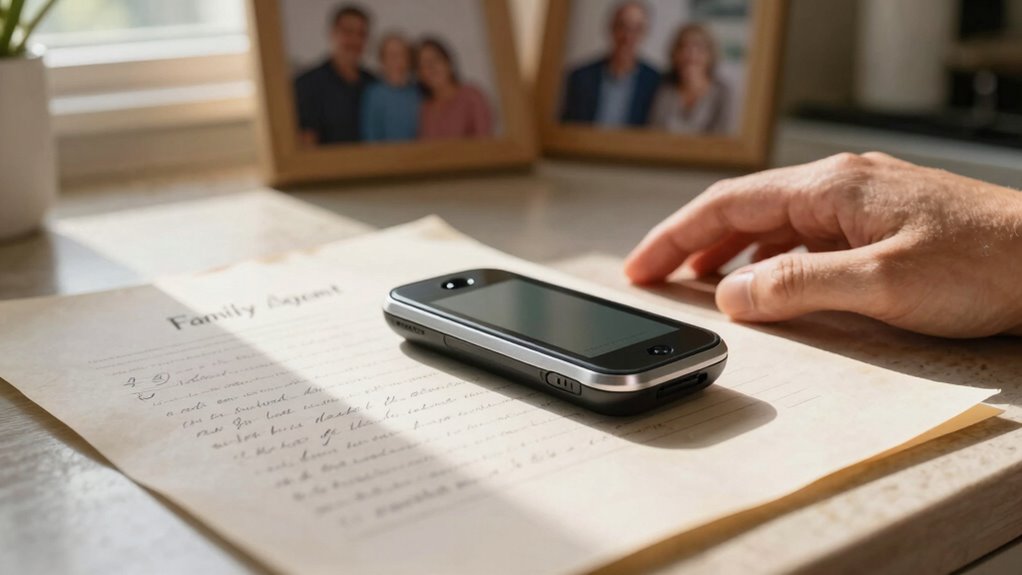
If you’re considering GPS tracking devices to help manage a loved one with dementia, it’s essential to establish a family agreement first. This step guarantees everyone understands the purpose of using the technology and agrees on how it will be implemented. Privacy concerns are often at the forefront of these discussions, as GPS devices can feel intrusive or invasive if not used thoughtfully. You need to take into account your loved one’s dignity and autonomy, balancing safety with respect for their privacy. Open conversations with family members, caregivers, and even the person with dementia—if possible—can help define boundaries and set clear expectations. Clarifying how and when the device will be used can prevent misunderstandings and guarantee everyone’s comfort with the arrangement.
Establish a family agreement to ensure shared understanding and respect when using GPS tracking for loved ones with dementia.
Before deploying GPS technology, you should also think about providing adequate technology training for everyone involved. Family members and caregivers need to know how to operate the device properly, interpret location data, and troubleshoot common issues. This training helps prevent frustration and ensures that the device is used effectively. Proper education also reassures family members that they’re managing the technology responsibly, which can ease concerns about misuse or technical failures. In addition, training should include guidance on how to have respectful conversations with your loved one about using the device. This approach helps maintain trust and minimizes feelings of being monitored or controlled.
Establishing a family agreement isn’t just about setting rules—it’s about fostering a shared understanding and commitment. It’s important to document what has been discussed, including privacy boundaries, the scope of monitoring, and contingency plans if technical problems arise. This agreement can be as simple as a written document or as formal as a family meeting with notes. Regular check-ins are also essential, as needs and comfort levels may change over time. Revisiting the agreement ensures everyone stays on the same page and adapts to evolving circumstances. Additionally, understanding biodiversity and the importance of sustainable living practices can also influence how families approach caregiving with a broader perspective on environmental and community well-being. Considering ethical considerations when using tracking technology helps ensure that the rights and dignity of your loved one are preserved. Incorporating a privacy framework can help guide decisions and uphold ethical standards in monitoring. Recognizing the legal aspects involved can further protect both the caregiver and the loved one, ensuring compliance with relevant laws and regulations.
Ultimately, using GPS tracking devices for a loved one with dementia can be a valuable safety tool, but it requires careful planning. Respecting privacy concerns, providing thorough technology training, and establishing a clear family agreement create a foundation of trust and shared responsibility. This collaborative approach helps protect your loved one while honoring their dignity, making the technology a supportive resource rather than a source of conflict or discomfort.
Products Worth Considering

Shark AI Ultra Robot Vacuum with Self-Empty Base

Sonos Era 100 Wireless Smart Speaker, Black

Dyson V8 Cyclone Cordless Vacuum
As an affiliate, we earn on qualifying purchases.
Frequently Asked Questions
How Do I Approach My Loved One About GPS Tracking?
You should approach your loved one with trust-building conversations and empathetic communication. Start by expressing your concern for their safety and well-being, emphasizing you want to support them. Listen carefully to their feelings and fears, making sure they feel heard. Gently introduce the idea of GPS tracking as a helpful tool rather than a restriction, ensuring they understand it’s for their safety and peace of mind, fostering cooperation and trust.
What Are the Legal Considerations for GPS Tracking in Dementia Care?
You need to guarantee legal consent before using GPS tracking, especially with someone with dementia, to respect their rights. Check local laws on data protection, as GPS data is sensitive personal information. Obtain explicit permission from your loved one if possible, or from their legal guardian. Keep data secure and only share it with trusted family members. Staying compliant with legal standards helps protect both your loved one and your family legally.
How Can I Ensure Privacy While Using GPS Devices?
Did you know that over 70% of privacy breaches involve inadequate data protection? To guarantee privacy while using GPS devices, prioritize user consent and implement data encryption. Always explain how the data is collected, stored, and shared, making certain your loved one agrees to these terms. Regularly review privacy settings and choose reputable devices that prioritize security, so you can balance safety with respecting their privacy.
What Are the Costs Involved in GPS Tracking for Dementia?
The costs for GPS tracking devices vary based on features, technology integration, and subscription plans. You should conduct a thorough cost analysis, considering device prices, monthly service fees, and potential installation costs. Keep in mind, investing in a reliable GPS device can provide peace of mind and enhance safety, but comparing different providers and options helps guarantee you find a solution that fits your budget and meets your loved one’s needs.
How Effective Is GPS Tracking in Preventing Wandering Incidents?
GPS tracking is quite effective in preventing wandering incidents by providing real-time location updates, which enhances safety benefits for your loved one. However, you should be aware of technology limitations, like signal loss or device tampering, that can affect its reliability. While it offers peace of mind, it’s essential to combine GPS tracking with other safety measures and verify your family agrees on its use to maximize its benefits.
Conclusion
So, as you consider GPS tracking for your loved one with dementia, remember that a family agreement isn’t just a formality—it’s a coincidence waiting to happen, guiding everyone’s understanding and trust. When you align your expectations and boundaries, you’ll find that technology becomes a helpful tool, not a source of conflict. Ultimately, it’s about creating a safer, more connected environment where family members can breathe a little easier, knowing they’re doing right by their loved one.