
Finding the best voice controlled smart home hubs in 2026 means balancing compatibility, ease of use, and future-proofing your smart home setup. The Amazon Echo Hub stands out for its intuitive interface and extensive device compatibility, making it the top overall choice. For those seeking a versatile, multi-protocol hub, the Smart Multi-mode Gateway offers broad support for ZigBee, Bluetooth, and Tuya devices. Meanwhile, the Home Assistant Green provides advanced automation features for tech-savvy users willing to invest more. Most options trade off between ease of setup and flexibility, so continue reading for a detailed comparison to find your ideal fit.
Key Takeaways
- The best hubs balance voice control compatibility with broad device support to reduce integration issues.
- Multi-protocol hubs like ZigBee and Bluetooth add flexibility but often come with a steeper learning curve.
- No-hub options such as GHome Smart Plugs simplify setup but limit local automation capabilities.
- Premium hubs like Home Assistant Green excel in automation but may be overkill for casual users.
- Compatibility with major voice assistants (Alexa, Google, Siri) remains the key consideration for most buyers.




More Details on Our Top Picks
Amazon Smart Thermostat – Save money and energy – Works with Alexa and Ring – C-wire required
This Amazon Smart Thermostat earns the top spot for its seamless integration with Alexa and Ring, making it ideal for those already invested in Amazon’s ecosystem. Unlike the Nest, which often costs more and may require additional rebates, this model offers a reliable, Honeywell-backed experience at a very attractive price point. Its setup is guided through the Alexa app, and it supports automatic temperature adjustments based on presence detection, which enhances comfort and saves energy. The app’s user interface is straightforward, allowing scheduling and energy monitoring, although some users report occasional connectivity issues—mainly due to Wi-Fi proximity. Compared to other options, its compatibility with most 24V HVAC systems and energy rebate support make it a practical choice for budget-conscious homeowners seeking reliable voice control. The main tradeoff is the lack of a screen or on-device control, making it less suitable for those who prefer manual adjustments.
Pros:- Seamless Alexa and Ring integration for easy voice control
- Automatic presence detection and temperature adjustments
- Supports rebates and ENERGY STAR certification for savings
Cons:- Requires a C-wire or separate power adapter, which can complicate installation
- Limited on-device controls—no physical display
Best for: Homeowners who want a reliable, Alexa-compatible thermostat with energy-saving features and are okay with app-based control.
Not ideal for: Users seeking a thermostat with a built-in display or on-device controls, or those without a C-wire or willing to install one.
- Size:3.56 x 3.56 x 0.84 inches
- Weight:3.86 oz
- Compatibility:Most 24V HVAC systems
- Connectivity:Wi-Fi 2.4 GHz only
- Energy Star:Yes
- Certifications:ENERGY STAR, ECOLOGO Gold
Bottom line: Ideal for Alexa users seeking an energy-efficient, budget-friendly thermostat that integrates smoothly with their smart home.
Yoolax Bluetooth Smart Hub, Hub Gateway, Smart Home Bridge Compatible with Alexa/Google Home, App Remote Control, Voice Control(for Bluetooth Motor)
This Yoolax Bluetooth Smart Hub stands out for its support of up to 16 Bluetooth devices, making it perfect for controlling blinds and shades across multiple rooms. Compared with larger hubs like the Amazon Echo Hub, this model is more specialized, focusing solely on Bluetooth-enabled window treatments, which means it doesn’t support Zigbee or Z-Wave devices. Its coverage range of 236 inches makes it suitable for small to medium homes, and the Type-C port ensures fast, stable data transmission. Setup is straightforward via the Yoolax app, and compatibility with Alexa and Google Home allows voice commands for shades, although it doesn’t support broader smart home devices. Its main drawback is limited device support—only Bluetooth motors—and it requires careful placement for optimal performance. Still, it’s a strong choice for those with Bluetooth shades seeking a dedicated hub.
Pros:- Supports up to 16 Bluetooth devices for versatile shading control
- Compact size with a 236-inch range for small to medium homes
- Fast data transmission with Type-C connection
Cons:- Limited to Bluetooth devices—no Zigbee or Z-Wave support
- Placement critical for optimal connectivity—range can be affected
Best for: Homeowners with Bluetooth-enabled blinds or shades who want a dedicated, compact hub for easy voice and app control.
Not ideal for: People looking to integrate a broad range of smart home devices beyond Bluetooth shades, or those needing Z-Wave/Zigbee support.
- Supports:Bluetooth, Wi-Fi
- Coverage Range:236 inches
- Ports:Type-C
- Supported Devices:Bluetooth shades/motors
- Compatibility:Alexa, Google Home
- Model Rank:#174 in Home Automation Devices
Bottom line: Best for Bluetooth shade users wanting a dedicated, easy-to-install hub with reliable voice control.
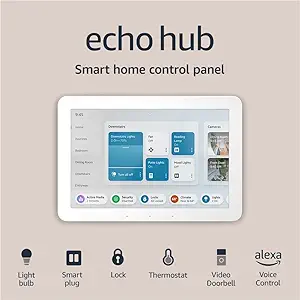
Amazon Echo Hub, 8” smart home control panel, Designed for Alexa+, Compatible with thousands of devices
The Amazon Echo Hub offers a visually intuitive control panel that centralizes management of thousands of Alexa-compatible devices, making it ideal for users who prefer a dedicated in-home interface. Unlike the GHome Smart Plug, which is purely a remote outlet, the Echo Hub combines a touchscreen with voice control, allowing you to arm security systems, view camera feeds, and control lighting with a tap or voice command. Its built-in Zigbee, Thread, and Matter support simplify device integration without additional hubs, and the ability to mount on the wall or use a stand makes it versatile. However, setup requires a stable internet connection and some users report initial connectivity hiccups—mainly network-related. Its larger form factor and price point make it less suited for those seeking minimalistic or portable solutions, but for centralized control, it’s unmatched.
Pros:- Large 8” touchscreen for easy device management
- Supports thousands of Alexa-compatible devices via built-in hub
- Mountable or stand options for flexible placement
Cons:- Requires power outlet and potentially Ethernet for best performance
- Higher price and size may be overkill for simple setups
Best for: Tech-savvy homeowners who want a dedicated, wall-mounted control panel for extensive smart device management.
Not ideal for: Users seeking a portable or budget-friendly hub, or those with limited space for mounting the device.
- Display:8” touchscreen, 1280 x 800
- Size:7.9″ W x 5.4″ H x 0.6″ D
- Connectivity:Wi-Fi, Bluetooth
- Supported Protocols:Zigbee, Thread, Matter
- Power:USB-C PD or PoE
- Weight:12.9 ounces
Bottom line: Perfect for users who want a centralized, visual home control panel with extensive smart device support.
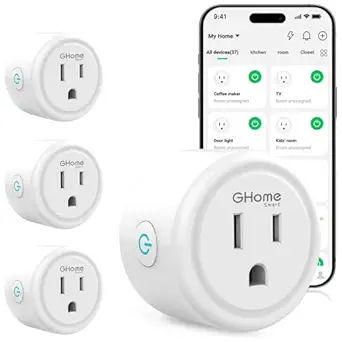
GHome Smart Plug, WiFi Smart Plugs Work with Alexa and Google Home, Smart Outlet Timer with APP Remote Control, 2.4GHz Wi-Fi Only, No Hub Required, ETL FCC Listed
The GHome Smart Plug has earned its reputation as a reliable, budget-friendly option that simplifies controlling appliances via Alexa and Google Home. Its quick connection setup over 2.4GHz Wi-Fi makes it convenient for users who want to add voice control without bulky hubs or complicated wiring. The plug’s compact design prevents blocking neighboring outlets, and its scheduling and timer functions are intuitive, making automations like turning off lamps or fans effortless. Compared to more expensive smart plugs, it offers excellent value, though some users note occasional connectivity drops—mainly due to Wi-Fi stability rather than the device itself. Its straightforward app and voice control support make it suitable for beginners or those wanting to expand their smart home gradually. The main tradeoff is limited compatibility with only 2.4GHz Wi-Fi, restricting use in some environments.
Pros:- Affordable and easy to set up
- Supports Alexa and Google voice control
- Compact design prevents outlet blocking
- Scheduling and timer functions for automation
Cons:- Limited to 2.4GHz Wi-Fi networks
- Occasional connectivity issues reported in unstable Wi-Fi environments
Best for: Budget-conscious users looking for reliable voice-controlled outlets to automate basic devices.
Not ideal for: Advanced users requiring Z-Wave/Zigbee support or 5GHz Wi-Fi connectivity for larger, more complex setups.
- Operation Mode:ON-OFF-ON
- Current Rating:10 Amps
- Voltage:120V
- Wattage:1200W
- Connectivity:Wi-Fi 2.4GHz
- Size:Small, space-saving
Bottom line: Great for budget-minded homeowners wanting simple, voice-activated control of everyday appliances.
GHome Smart Plug Mini, WiFi Smart Outlet Plug Works with Alexa and Google Home, Timer Outlet with APP Control, 2.4GHz Network Only, No Hub Required, ETL FCC Listed (4 Pack), White
This GHome Smart Plug Mini pack offers excellent value for those wanting multiple outlets with voice control. While it shares many features with the single GHome Smart Plug, the four-pack allows users to automate several devices simultaneously at an affordable price. Setup remains simple over 2.4GHz Wi-Fi, and the app supports scheduling, timers, and group control, making it easy to manage multiple appliances. Voice commands work well with Alexa and Google Assistant, providing hands-free convenience. The compact design ensures they don’t block adjacent outlets. However, they are limited to 2.4GHz Wi-Fi and can experience connectivity hiccups if Wi-Fi is unstable. This pack is perfect for expanding smart home control affordably, but it’s less suitable for large, mesh-network environments requiring 5GHz support or Z-Wave integration.
Pros:- Great value for a 4-pack of smart plugs
- Supports Alexa and Google voice commands
- Compact and space-efficient design
- Supports scheduling and timers
Cons:- Limited to 2.4GHz Wi-Fi networks
- Potential connectivity issues in Wi-Fi unstable areas
Best for: Homeowners or renters seeking a cost-effective bundle to automate multiple devices with voice commands.
Not ideal for: Environments with unstable Wi-Fi or users needing support for 5GHz networks or Z-Wave devices.
- Operation Mode:ON-OFF-ON
- Current Rating:10 Amps
- Voltage:120V
- Wattage:1200W
- Connectivity:Wi-Fi 2.4GHz
- Pack Size:4 units
Bottom line: Ideal for users wanting a multi-outlet, budget-friendly way to automate appliances via voice control.
Aeotec Smart Home Hub2 – V4, Works as a SmartThings Hub, Zigbee, Matter Gateway, Compatible with Alexa, Google Assistant, WiFi (No Z-Wave)
This option stands out for its support of the latest Matter standard and Zigbee, making it a flexible choice for users wanting broad compatibility. Unlike the GHome Smart Plug, which excels at simple device control, the Aeotec Hub offers a centralized hub that can manage thousands of Zigbee and Matter devices, providing a more comprehensive smart home setup. The absence of Z-Wave support is a notable tradeoff, especially for those invested in Z-Wave devices, but for most, its multi-platform compatibility with Alexa and Google Assistant makes automation straightforward. Its easy Ethernet or Wi-Fi setup ensures quick deployment in both apartments and large houses, with local automations functioning offline for reliability. The high cost is balanced by its robust ecosystem support and future-proofing through Matter and Zigbee. This hub is ideal for tech-savvy homeowners seeking a reliable, expandable smart home core.
Pros:- Supports the newest Matter standard for broad device compatibility
- Built-in Zigbee and Ethernet for flexible setup options
- Supports local automations even if internet is down
- Works seamlessly with Alexa and Google Assistant
Cons:- No Z-Wave support limits compatibility with some existing smart devices
- Higher price point compared to simpler hubs
- Requires Ethernet or Wi-Fi setup, which might be complex for some users
Best for: Homeowners who want a powerful, expandable, and future-proof smart home hub supporting Zigbee and Matter.
Not ideal for: Users with Z-Wave devices or those on a tight budget, as Z-Wave support is missing and it’s relatively expensive.
- Supports:Zigbee, Matter
- Connectivity:Wi-Fi, Ethernet
- Supported Platforms:Alexa, Google Assistant
- No Z-Wave support:Yes
- Setup Options:Wi-Fi or Ethernet
- Local Automations:Supported
Bottom line: Best suited for users seeking a reliable, expandable hub that supports the latest standards and automations.
Smart Multi-mode Gateway: ZigBee 3.0 & Bluetooth & Mesh Hub, App Remote Control, Intelligent Bridge Wireless Smart Home Gateway Voice Control via Alexa/Google Home (ONLY Surport Tuya Smart Devices)
This pick makes the most sense for users heavily invested in Tuya or Smart Life ecosystem, offering support for Zigbee, Bluetooth, and mesh networks, unlike the Aeotec Hub which focuses on Zigbee and Matter. Its support for up to 128 Tuya-compatible devices makes it ideal for a smart home that uses a variety of sensors, switches, and gadgets within the Tuya ecosystem, but it’s limited to only Tuya-compatible devices, unlike the Aeotec Hub’s broader Zigbee and Matter support. The app remote control and voice control via Alexa and Google Home are straightforward, although the device linkage and automation setup are more tailored to Tuya’s platform. The device’s plug-and-play setup is very simple, with no Ethernet connection needed, making it a good choice for DIY smart homes. The main tradeoff is the ecosystem restriction, which could be a limitation for more complex or Z-Wave users. This gateway is perfect for DIY enthusiasts looking for an affordable, multi-protocol Tuya control point.
Pros:- Supports Zigbee 3.0, Bluetooth, and Mesh protocols
- Supports up to 128 devices for comprehensive control
- Simple plug-and-play setup via Wi-Fi
- Voice control compatible with Alexa and Google Home
Cons:- Limited to Tuya-compatible devices only
- No support for Z-Wave or Matter standards
- Potential ecosystem lock-in for advanced automations
Best for: Homeowners using Tuya or Smart Life devices who want multi-protocol support with easy app control.
Not ideal for: Users with Z-Wave devices or those seeking broader ecosystem support outside Tuya’s platform.
- Protocols:Zigbee 3.0, Bluetooth, Mesh
- Device Support:Up to 128 Tuya devices
- App Control:Smart Life/Tuya App
- Voice Control:Alexa, Google
- Setup:Wi-Fi
- Supported Ecosystem:Tuya/Smart Life
Bottom line: Best for Tuya ecosystem users wanting multi-protocol support with easy remote control and automation.
Home Assistant Green | Smart Home hub with Advanced Automation | Official Home Assistant Hardware
This pick stands out for its focus on local processing and privacy, making it a different role from the Aeotec or Tuya hubs. As an official Home Assistant device, it offers extensive automation capabilities and supports Z-Wave, Zigbee, and Thread through USB expandability, unlike the other hubs which are more limited or ecosystem-specific. The small, fanless design is ideal for discreet integration, and the pre-installed Home Assistant OS simplifies setup, especially for users who want a DIY but reliable automation hub. If you prioritize privacy, local automations, and a customizable platform, this device makes automating your home feel seamless while keeping data within your network. The main tradeoff is that it requires some initial configuration and familiarity with Home Assistant, which might be intimidating for beginners. This device is best for advanced users or those committed to a local, open-source smart home system.
Pros:- Supports Z-Wave, Zigbee, and Thread via USB expansion
- Local processing for privacy and reliability
- Pre-installed Home Assistant OS for ease of setup
- Supports advanced automations and integrations
Cons:- Requires familiarity with Home Assistant for setup
- No built-in Wi-Fi or Zigbee (requires USB expansion)
- More complex initial configuration compared to plug-and-play hubs
Best for: Tech-savvy users seeking a powerful, privacy-focused, and highly customizable home automation hub.
Not ideal for: Beginners or those preferring plug-and-play solutions with minimal setup.
- Connectivity:USB (Zigbee, Z-Wave, Thread)
- Pre-installed OS:Home Assistant OS
- Power:Power supply included
- Size:4.41″ x 4.41″ x 1.26″
- Support:Local automations
- Ecosystem:Open-source / DIY
Bottom line: Ideal for users wanting a privacy-centric, customizable home automation hub with extensive protocol support.
Aeotec Smart Home Hub2 – V4, Works as a SmartThings Hub, Zigbee, Matter Gateway, Compatible with Alexa, Google Assistant, WiFi (No Z-Wave)
This option stands out for its support of the latest Matter standard and Zigbee, making it a flexible choice for users wanting broad compatibility. Unlike the GHome Smart Plug, which excels at simple device control, the Aeotec Hub offers a centralized hub that can manage thousands of Zigbee and Matter devices, providing a more comprehensive smart home setup. The absence of Z-Wave support is a notable tradeoff, especially for those invested in Z-Wave devices, but for most, its multi-platform compatibility with Alexa and Google Assistant makes automation straightforward. Its easy Ethernet or Wi-Fi setup ensures quick deployment in both apartments and large houses, with local automations functioning offline for reliability. The high cost is balanced by its robust ecosystem support and future-proofing through Matter and Zigbee. This hub is ideal for tech-savvy homeowners seeking a reliable, expandable smart home core.
Pros:- Supports the newest Matter standard for broad device compatibility
- Built-in Zigbee and Ethernet for flexible setup options
- Supports local automations even if internet is down
- Works seamlessly with Alexa and Google Assistant
Cons:- No Z-Wave support limits compatibility with some existing smart devices
- Higher price point compared to simpler hubs
- Requires Ethernet or Wi-Fi setup, which might be complex for some users
Best for: Homeowners who want a powerful, expandable, and future-proof smart home hub supporting Zigbee and Matter.
Not ideal for: Users with Z-Wave devices or those on a tight budget, as Z-Wave support is missing and it’s relatively expensive.
- Supports:Zigbee, Matter
- Connectivity:Wi-Fi, Ethernet
- Supported Platforms:Alexa, Google Assistant
- No Z-Wave support:Yes
- Setup Options:Wi-Fi or Ethernet
- Local Automations:Supported
Bottom line: Best suited for users seeking a reliable, expandable hub that supports the latest standards and automations.
Smart Multi-mode Gateway: ZigBee 3.0 & Bluetooth & Mesh Hub, App Remote Control, Intelligent Bridge Wireless Smart Home Gateway Voice Control via Alexa/Google Home (ONLY Surport Tuya Smart Devices)
This pick makes the most sense for users heavily invested in Tuya or Smart Life ecosystem, offering support for Zigbee, Bluetooth, and mesh networks, unlike the Aeotec Hub which focuses on Zigbee and Matter. Its support for up to 128 Tuya-compatible devices makes it ideal for a smart home that uses a variety of sensors, switches, and gadgets within the Tuya ecosystem, but it’s limited to only Tuya-compatible devices, unlike the Aeotec Hub’s broader Zigbee and Matter support. The app remote control and voice control via Alexa and Google Home are straightforward, although the device linkage and automation setup are more tailored to Tuya’s platform. The device’s plug-and-play setup is very simple, with no Ethernet connection needed, making it a good choice for DIY smart homes. The main tradeoff is the ecosystem restriction, which could be a limitation for more complex or Z-Wave users. This gateway is perfect for DIY enthusiasts looking for an affordable, multi-protocol Tuya control point.
Pros:- Supports Zigbee 3.0, Bluetooth, and Mesh protocols
- Supports up to 128 devices for comprehensive control
- Simple plug-and-play setup via Wi-Fi
- Voice control compatible with Alexa and Google Home
Cons:- Limited to Tuya-compatible devices only
- No support for Z-Wave or Matter standards
- Potential ecosystem lock-in for advanced automations
Best for: Homeowners using Tuya or Smart Life devices who want multi-protocol support with easy app control.
Not ideal for: Users with Z-Wave devices or those seeking broader ecosystem support outside Tuya’s platform.
- Protocols:Zigbee 3.0, Bluetooth, Mesh
- Supported Devices:Up to 128 Tuya devices
- App Control:Smart Life/Tuya App
- Voice Control:Alexa, Google
- Setup:Wi-Fi
- Ecosystem:Tuya/Smart Life
Bottom line: Best for Tuya ecosystem users wanting multi-protocol support with easy remote control and automation.
Zopsc Smart Control Touch Screen 8 Inch, 2G+16G Smart Home Hub with Voice Control, Zigbee Gateway Wall Panel, for Tuya Smart Life App
This Zopsc Smart Control stands out for its 8-inch touch screen, offering a tactile interface that many users find more intuitive than voice-only hubs like the Amazon Echo Hub. Compared to larger panels, its compact size makes it suitable for smaller spaces without sacrificing control, but this also limits its display real estate for complex automation setups. It functions as a Zigbee gateway, which means it can integrate a wide range of Zigbee devices, yet it’s primarily designed for Tuya Smart Life app users, making it less flexible if you prefer other ecosystems. Its voice control capabilities are decent but not as advanced as Alexa or Google Assistant integrations, which may impact hands-free convenience. The device’s local control and visual interface make it ideal for users who want quick access without relying solely on voice commands. However, its limited processing power and smaller screen size could be drawbacks for those seeking more comprehensive automation dashboards.
Pros:- Compact and space-saving design with an 8-inch touch screen
- Easy to navigate interface for quick device control
- Acts as a Zigbee gateway, expanding device compatibility
- Local control minimizes reliance on cloud for basic functions
Cons:- Limited voice assistant capabilities compared to dedicated smart speakers
- Primarily designed for Tuya Smart Life, restricting ecosystem flexibility
- Smaller screen size may limit complex automation display
Best for: Small homes or apartments where a sleek, wall-mounted control panel enhances convenience without sacrificing space.
Not ideal for: Tech enthusiasts seeking deep automation customization or robust voice assistant features beyond Tuya’s ecosystem.
- Screen Size:8 inches
- Memory:2GB RAM
- Storage:16GB
- Connectivity:Zigbee, Wi-Fi
- Voice Control:Built-in, Tuya compatible
- Operating System:Custom Tuya OS
Bottom line: This pick is best suited for users who want a dedicated, intuitive wall panel with local control in smaller spaces, but it’s less ideal for those seeking advanced voice features or broad ecosystem compatibility.

How We Picked
I evaluated these smart home hubs based on their voice control performance, compatibility with popular voice assistants, supported protocols (ZigBee, Z-Wave, Bluetooth, Wi-Fi), ease of setup, and overall build quality. Additional factors included automation capabilities, expandability, and user interface. Ranking was determined by how well each product balances these elements, aiming to identify options suitable for both casual users and advanced home automators. Products that excelled in broad device support and seamless voice integration earned higher placements, while those with limited protocol support or complex setup processes ranked lower.Factors to Consider When Choosing Best Voice Controlled Smart Home Hubs
Choosing the right voice controlled smart home hub involves understanding your existing devices, your automation goals, and your comfort with technology. The right hub can simplify daily routines, enhance security, and improve energy efficiency. However, selecting a hub that doesn’t align with your setup can lead to frustration and wasted investment. Here are key factors to consider to help make an informed decision.Compatibility with Voice Assistants
Ensure the hub supports your preferred voice assistant—whether Alexa, Google Assistant, or Siri. Some hubs work exclusively with certain platforms, limiting your control options. Compatibility not only affects voice commands but also impacts integration with other smart devices. Investing in a hub with multi-assistant support offers flexibility and future-proofing, especially if you plan to expand your smart home ecosystem.
Supported Protocols
Look for hubs that support protocols like ZigBee, Z-Wave, or Bluetooth. These protocols enable devices from different manufacturers to communicate seamlessly. Multi-protocol hubs tend to be more adaptable, reducing the need for multiple controllers. However, they often come with increased complexity, so consider your comfort level with setting up and managing these protocols.
Ease of Setup and Use
Some hubs are plug-and-play, ideal for beginners who want quick setup, while others require more technical know-how. A user-friendly app interface and clear instructions can make a big difference. Remember, a hub that’s overly complicated might discourage regular use or cause frustration, especially if you’re not tech-savvy.
Automation and Expandability
If you want advanced automation features or plan to grow your smart home, choose a hub with robust automation options and support for additional devices. Higher-end hubs like Home Assistant Green provide extensive customization, but may require a learning curve. Simpler hubs are better for basic control but might limit future expansion.
Build Quality and Reliability
A durable, well-designed hub ensures long-term reliability and smooth operation. Look for products with positive user reviews regarding stability and support. A poorly built hub can lead to connectivity issues or hardware failures, undermining your smart home experience. Balance cost with the quality and reputation of the brand.
Frequently Asked Questions
Can a smart home hub work with both Alexa and Google Assistant?
Yes, many of the best voice controlled smart home hubs support multiple voice assistants, allowing you to choose your preferred platform. This flexibility can be especially valuable if you already own smart speakers or devices from different ecosystems. When selecting a hub, verify its compatibility with both Alexa and Google Assistant to avoid limitations later on.
Do I need a hub if I already have smart devices?
Whether you need a hub depends on your existing devices and your automation goals. Some smart devices connect directly via Wi-Fi and do not require a hub, offering simple setup. However, hubs can expand your ecosystem by supporting protocols like ZigBee or Z-Wave, enabling compatibility with a wider array of devices and more complex automations. Consider your current and future device plans before choosing.
Are hub-based smart home setups more secure than hubless ones?
Hubs can enhance security by centralizing control and providing dedicated networks for your smart devices, reducing exposure to internet-based vulnerabilities. They often offer firmware updates and security features that protect your system. However, the security also depends on proper network configuration and regular updates, regardless of whether you use a hub or not. Good security practices are essential for any smart home setup.
How important is protocol support for my smart home hub?
Protocol support determines which devices can connect to your hub. A hub supporting multiple protocols like ZigBee, Z-Wave, and Bluetooth offers greater flexibility, allowing you to mix and match devices from different brands. This reduces vendor lock-in and future-proofs your setup. However, multi-protocol hubs can be more complex to configure, so consider your comfort level and automation needs.
Is a more expensive hub worth the investment?
Higher-priced hubs often provide advanced automation, broader protocol support, and better build quality, which can be worth it if you want a highly customizable system. For casual users, a budget-friendly hub may suffice, but it might limit automation options or device compatibility. Think about your long-term smart home goals and whether the additional features justify the cost for your specific needs.
Conclusion
For most users, the Amazon Echo Hub offers the best overall experience with extensive voice assistant support and device compatibility. If you prioritize flexibility and expandability, the Smart Multi-mode Gateway is a strong choice for tech-savvy enthusiasts. Beginners or those seeking straightforward control should consider no-hub options like the GHome Smart Plugs for simple automation. For advanced automation and customization, the Home Assistant Green delivers powerful features at a higher price point. Ultimately, your choice should align with your current setup and future plans, ensuring seamless smart home integration.