
TL;DR

Get decor and gifts delivered free with Prime
- Fast, free delivery on millions of items
- Prime Video, Amazon Music and more included
- Member-only deals all year
House Beautiful’s gardening report presents 33 plants suited to bedroom growing, with advice on light, watering and, for some, pet safety. It is a plant-selection guide, not new research showing that bedroom plants improve sleep or create a calming effect.
House Beautiful’s report lists 33 indoor plants that may suit bedrooms, pairing plant suggestions with care guidance on light and watering. The article offers options for different room conditions, but its title’s promise of a “calming touch” is a lifestyle framing, not evidence that the plants improve sleep or reduce stress.
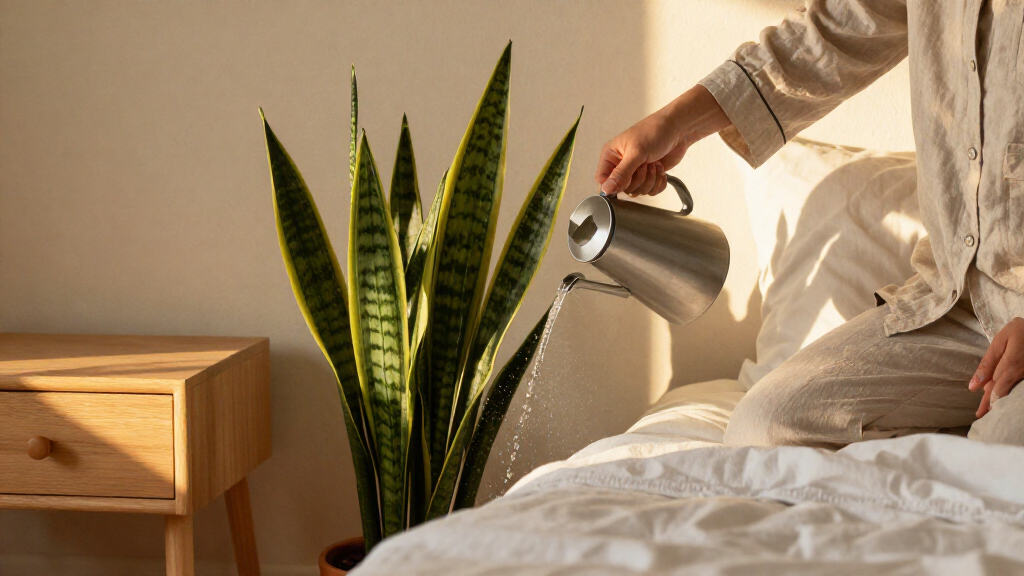
The supplied report describes plants for a range of bedroom environments, from dim rooms to sunny windowsills. For lower-light spaces, it points to options including the cast iron plant, aglaonema, snake plant, ZZ plant and pothos. Several of these are described as needing water only after the soil has dried to a specified depth or, for some, every few weeks.
Plants suited to brighter conditions include lavender, pilea peperomioides, monstera and the ric rac cactus. The care notes vary: pilea is to receive bright, indirect light and water when the top inch of soil feels dry, while lavender needs bright light and water once the top inch or two dries. The report also highlights forms that can suit small surfaces or shelves, including the compact nerve plant and trailing heartleaf philodendron.
Some entries include additional qualifications. House Beautiful says the cast iron plant is non-toxic to people, cats and dogs, and describes the nerve plant as pet-safe. Its lavender entry says research has studied lavender essential oils in relation to relaxation and sleep, while adding that the effects of having a live plant in the bedroom are not established by the report. The full list includes 33 plants, though the supplied source text provides detailed descriptions for only 20.
Choosing Plants for Bedroom Conditions
The guide’s practical value is in matching a plant to a bedroom’s available light, space and watering routine. A person with a shaded room may find the low-light suggestions more workable than lavender, which the report says needs a sunny position or a grow light. Choosing by care needs can help avoid buying a plant that is poorly suited to the room.
The recommendations also show why “bedroom plant” is not a single care category. Some listed plants tolerate low light, while others need bright indirect light; watering schedules range from weekly to every few weeks. Readers should check the needs of the specific plant and account for room conditions rather than treating the list as a guarantee that every plant will thrive or produce a health benefit.
Products Worth Considering

Philips Hue Play Gradient 65-Inch Smart TV Light Strip

Philips Hue Festavia 65-Foot Smart LED String Lights, 250 Color-Changing Mini LEDs

Philips Hue Festavia Outdoor Globe String Lights, 8 Bulbs, 22 ft
As an affiliate, we earn on qualifying purchases.
What the Care Notes Cover
The source is a House Beautiful gardening report organized as a list of 33 bedroom plant ideas. The supplied material includes descriptions of 20 entries, with short guidance on growing conditions and, in some cases, plant characteristics. For example, the prayer plant’s leaves fold upward at night, while the ponytail palm stores water in its bulbous base, according to the report.
Care instructions in the article use soil dryness as a watering cue for many plants: readers are advised to feel the top inch or a few inches of soil before watering. Other recommendations are more specific, such as changing the water weekly if lucky bamboo is grown in water. These are general tips from the source, not a substitute for checking the needs of an individual plant or its growing conditions.
“It is non-toxic to humans, cats, and dogs.”
— House Beautiful, on the cast iron plant
Sleep Benefits Are Not Established
The supplied report does not provide clinical evidence that keeping these plants in a bedroom improves sleep, reduces stress or creates a measurable calming effect. Its lavender discussion refers to research on essential oils and does not establish that a live plant has the same effects. The title should not be read as a medical finding.
The source text supplied here also does not include detailed care descriptions for all 33 listed plants, nor does it provide a publication date. Plant safety can vary by species and exposure, so readers with pets or children should confirm the identity and safety of a plant before bringing it home; the report’s specific safety statements apply to the plants it names.
Match the Plant to the Room
Readers considering the list can start by checking how much natural light the bedroom receives, then compare that with the needs of the chosen plant. The care notes suggest using soil dryness as a cue for many varieties and avoiding a fixed watering routine that ignores the plant’s condition. For plants that need bright light, a suitable sunny spot—or a grow light, as the report suggests for lavender—may be necessary.
No additional research findings or follow-up developments are identified in the supplied source. The next useful step for readers is to consult reliable, species-specific care information and verify pet-safety details where relevant.
Key Questions
Does the report show that bedroom plants improve sleep?
No. The supplied article is a plant-selection and care guide, not a study of sleep outcomes. Its lavender entry mentions research on essential oils but does not establish a sleep benefit from a live plant.
Which plants does the report recommend for low-light bedrooms?
Among its suggestions, House Beautiful identifies the cast iron plant, aglaonema, snake plant, ZZ plant and pothos as tolerant of low light. Individual results will still depend on the room and plant condition.
Which listed plants need brighter light?
The report says lavender, pilea peperomioides, monstera and ric rac cactus do best in bright conditions, with some guidance specifying bright indirect light. Lavender is described as needing a sunny windowsill or grow light.
Are all 33 plants confirmed safe for pets?
No. The supplied text specifically calls the cast iron plant non-toxic to people, cats and dogs and describes the nerve plant as safe for pets. It does not provide a safety statement for every plant in the list, so check species-specific information before buying.
Source: housebeautiful.com