
TL;DR

Get decor and gifts delivered free — and shop member deals
- Fast, free delivery on millions of items
- Access to Prime Big Deal Days deals on October 6–7
- Prime Video, Amazon Music and more included
Design professionals forecast the top 10 home trends that are expected to gain momentum in 2026. These trends reflect evolving consumer preferences and technological advancements, influencing future home designs.
Design experts are predicting that ten specific home trends will see significant growth in popularity by 2026, reflecting shifts in consumer preferences, technology integration, and sustainability concerns. These trends are expected to influence both residential architecture and interior design, shaping the future of home living.
The list of trends includes increased adoption of sustainable materials, smart home technology, multifunctional spaces, biophilic design elements, and sustainable outdoor living areas. Industry insiders, including leading interior designers and market analysts, base these predictions on current consumer behaviors and technological advancements.
According to a recent report, these trends are likely to expand as homeowners seek more personalized, eco-friendly, and tech-enabled living environments. For example, the use of renewable and recycled materials is expected to grow, driven by environmental concerns and regulatory incentives. Similarly, smart home features such as automated lighting, security, and climate control are anticipated to become standard in new constructions and renovations.
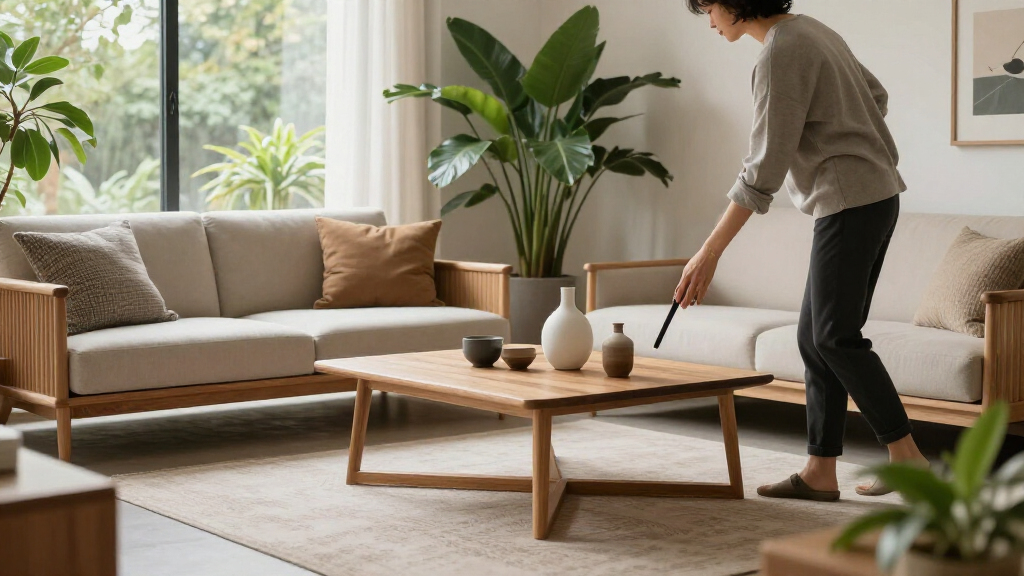
Experts also highlight the rising importance of multifunctional spaces, especially in urban areas where space is limited. This includes adaptable rooms that serve multiple purposes, such as home offices doubling as guest rooms. Biophilic design, incorporating natural elements like indoor plants and large windows, is predicted to become more mainstream, aiming to improve well-being and air quality.
Why These Trends Will Shape Future Homes
Understanding these predicted trends helps homeowners, builders, and designers anticipate the evolving landscape of residential living. The expansion of sustainable materials and smart technology signifies a shift towards more environmentally responsible and convenient homes. Recognizing these patterns allows industry stakeholders to stay ahead of market demands, ensuring homes are both functional and aligned with future lifestyle needs.
Additionally, these trends reflect broader societal shifts towards health, wellness, and environmental consciousness, making them relevant beyond aesthetics. The emphasis on adaptable spaces and biophilic design also indicates a move toward homes that support mental health and overall well-being.
As an affiliate, we earn on qualifying purchases.
Current Trends and Industry Insights for 2026
Recent industry reports and surveys indicate that consumers are increasingly prioritizing sustainability, technology, and flexibility in their homes. For example, a 2024 survey by the National Home Builders Association found that over 65% of new homebuyers are interested in eco-friendly features and smart home systems. This aligns with ongoing innovations in building materials and automation technology.
Historically, home design trends evolve incrementally, but the current focus on health and environmental impact accelerates this shift. The COVID-19 pandemic, along with rising climate awareness, has heightened demand for homes that promote wellness and resilience. Experts like architect Lisa Chen note that these factors are likely to influence design choices well into 2026 and beyond.
Unconfirmed Aspects of the 2026 Home Trends Forecast
While industry experts agree on the general direction of these trends, specific adoption rates and regional variations remain uncertain. It is not yet clear how quickly these trends will become mainstream across different markets or how technological and economic factors might influence their growth. Additionally, unforeseen disruptions or innovations could alter the trajectory of these predicted trends.
Next Steps for Industry Stakeholders and Consumers
Designers, builders, and homeowners should monitor industry reports and technological developments to stay informed about emerging trends. Engaging with sustainability certifications, smart home integrations, and flexible design solutions will be key. Industry events and trade shows in 2025 and early 2026 are expected to showcase new innovations, providing further insights into which trends will solidify as standards.
Consumers interested in future-proofing their homes should consider incorporating adaptable and sustainable features now, as these are forecasted to become increasingly valuable and desirable in the coming years.
Key Questions
Which home trends are expected to grow the most in 2026?
According to industry predictions, sustainable materials, smart home technology, multifunctional spaces, biophilic design, and outdoor living enhancements are expected to see significant growth.
Why are these trends gaining popularity?
These trends are driven by consumer preferences for healthier, more environmentally friendly, and technologically integrated homes, alongside market innovations and regulatory incentives.
Are these trends applicable worldwide?
While many trends are global, regional variations exist due to climate, regulations, and cultural preferences. Adoption rates may differ across markets.
When will these trends become mainstream?
Experts predict that many of these trends will become increasingly common by 2026, but full mainstream adoption may take longer depending on regional factors and technological developments.
How can homeowners prepare for these trends?
Homeowners can start by incorporating sustainable and flexible design features, exploring smart home systems, and consulting with designers about future-proofing their spaces.
Source: rss
Fall Picks
fall essentials
As an affiliate, we earn on qualifying purchases.