Mini splits are efficient heating and cooling systems, with SEER ratings showing how well they cool and HSPF ratings indicating heating efficiency. Higher numbers mean better performance and lower energy costs. However, these ratings can feel confusing because they measure different things and vary across models. To get the best system for your needs, it’s helpful to understand what each rating means—and there’s plenty more to discover if you keep exploring.
Key Takeaways
- SEER measures cooling efficiency, while HSPF indicates heating efficiency; higher ratings mean better performance.
- Different units use separate ratings, which can confuse consumers unfamiliar with how they relate.
- Efficiency ratings focus on energy use but don’t account for installation costs or system complexity.
- Proper understanding of ratings helps balance upfront investment with long-term energy savings.
- Variations in ratings across models and regions can make comparing mini splits challenging without context.
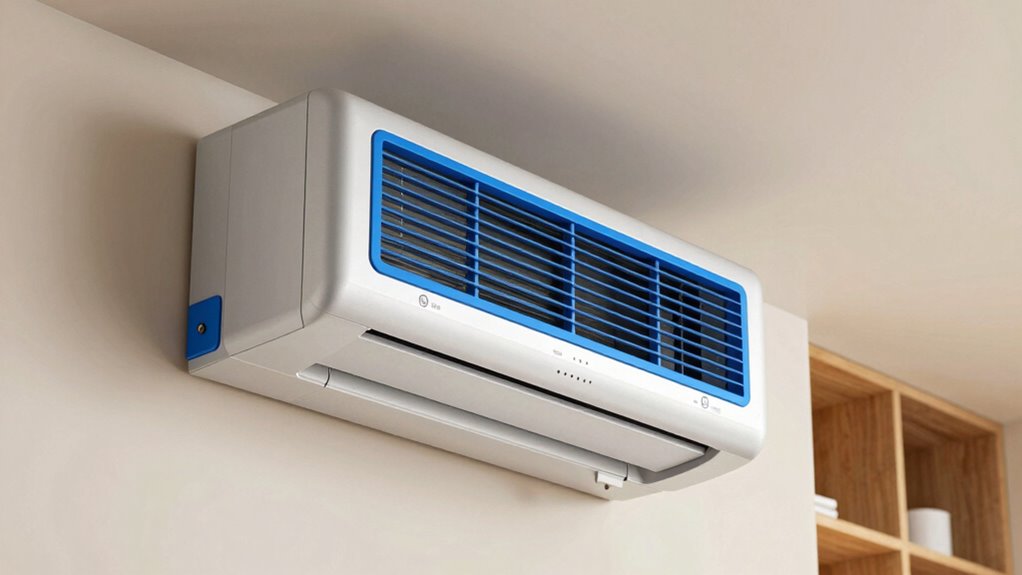
A mini split is an efficient heating and cooling system designed to provide targeted comfort for your home or business. When considering a mini split, one of the first things you’ll need to think about is zoning considerations. Unlike traditional HVAC systems that rely on a single thermostat to control the temperature throughout the entire building, mini splits allow you to create separate zones. This means you can set different temperatures for different rooms or areas, which enhances comfort and reduces energy waste. Zoning is especially beneficial if your space has varying heating or cooling needs, such as a garage, basement, or sunroom. However, keep in mind that zoning considerations can influence installation costs. Adding multiple indoor units to serve different zones increases the overall expense, but it can also lead to more efficient operation and lower energy bills over time.
Installation costs are another important factor to keep in mind. While mini splits tend to have higher upfront costs compared to window units or central systems, they often save you money in the long run through improved energy efficiency. The initial price includes equipment, labor, and any necessary modifications to your existing structure. Factors like the number of zones you want to set up and the complexity of installation can impact the total costs. For example, installing a single indoor unit in a small room is typically simpler and less expensive than setting up multiple zones across a larger building. Additionally, it’s worth considering that the placement of indoor and outdoor units affects both installation costs and system performance. Proper placement ensures effective zoning and minimizes the need for extensive ductwork or electrical work, which can drive up costs.
When evaluating a mini split system, pay close attention to efficiency ratings like SEER and HSPF. These ratings help you understand the system’s energy performance, but they can be confusing at first glance. SEER, or Seasonal Energy Efficiency Ratio, measures cooling efficiency, while HSPF, or Heating Seasonal Performance Factor, indicates heating efficiency. Higher ratings mean better efficiency, but they don’t always tell the whole story. Many people get lost in the numbers or assume that a higher SEER or HSPF automatically means lower operating costs—though that’s often true. Ultimately, understanding these ratings helps you compare models and choose a system that balances upfront costs with ongoing savings, especially when factoring in zoning considerations. Being aware of both the efficiency ratings and installation costs ensures you select a mini split that fits your budget and your comfort needs. Additionally, research into sound vibrations and how they may affect health and wellness can be beneficial when choosing quieter models.
Frequently Asked Questions
How Do I Compare Mini Split Brands Effectively?
To compare mini split brands effectively, start with a thorough brand comparison, focusing on reliability and customer reviews. Conduct a feature analysis by checking each unit’s cooling and heating capacity, energy efficiency ratings like SEER and HSPF, and included features such as remote controls or smart technology. Consider warranty coverage and installation support. This approach helps you choose a system that offers the best value and performance for your specific needs.
What Is the Optimal SEER and HSPF Rating for My Climate?
In your climate, aiming for a SEER of at least 16 and an HSPF of 8.2 guarantees good efficiency, especially in moderate to warm areas. If you live in a colder climate, look for higher ratings—SEER 18+ and HSPF 9+—to meet efficiency thresholds and keep energy costs low. Matching these ratings to your climate considerations helps you maximize comfort and savings year-round.
Do Higher Ratings Always Mean Better Performance?
Did you know that higher SEER and HSPF ratings can lead to energy savings of up to 50%? In reality, higher ratings don’t always mean better performance because efficiency misconceptions and rating limitations can be misleading. A system with a very high rating might not suit your climate or usage needs. Always consider your specific environment and consult experts to find the most effective mini split for you.
How Much Can I Save on Energy Bills?
You can save a significant amount on energy bills with a mini split, especially if you choose a high-efficiency model. Depending on your usage, energy savings could range from 20% to 50%. To maximize savings, compare cost differences between models carefully, considering their SEER and HSPF ratings. A smart choice can lead to lower ongoing expenses, making the investment worthwhile over time.
Are There Rebates or Incentives for High-Efficiency Units?
Think of rebate programs as treasure chests waiting for you. Many utility companies and governments offer incentives for high-efficiency units, making your upgrade more affordable. If your mini split meets specific efficiency criteria, you could qualify for these incentives. Check your local utility or government websites to see if you’re eligible for rebates or incentives. Act now—these programs often have limited time or funds, so don’t miss out on saving big!
Conclusion
So, now that you’re a mini split expert, go ahead—confuse your friends with all those SEER and HSPF ratings. After all, who needs simplicity when you can impress everyone with your newfound knowledge of efficiency numbers? Just remember, next time someone asks about your AC, casually toss out some acronyms and watch their eyes glaze over. Because nothing says “cool” like understanding the baffling world of HVAC ratings—right?