
When comparing speaker specs, understanding sensitivity, impedance, and power handling helps you choose the right setup. Sensitivity shows how loud a speaker can get with less power, so higher ratings mean more volume with less effort. Impedance affects how much current the speaker draws, influencing compatibility with your amplifier—low impedance draws more power. Power handling indicates the maximum wattage a speaker can handle safely. Grasping these details guarantees better sound quality and system harmony as you explore further.

Get decor and gifts delivered free — and shop member deals
- Fast, free delivery on millions of items
- Access to Prime Big Deal Days deals on October 6–7
- Prime Video, Amazon Music and more included
Key Takeaways
- Sensitivity indicates how loud a speaker can get with a specific power; higher sensitivity means more volume with less power.
- Impedance reflects the resistance to electrical current; lower impedance (e.g., 4Ω) draws more power, affecting amplifier compatibility.
- Power handling shows the maximum wattage a speaker can safely handle; matching it with amplifier output prevents damage.
- Proper crossover frequency ensures smooth transition between bass and treble, enhancing overall sound clarity.
- Woofer placement and cabinet design influence sound dispersion, affecting how effectively a speaker fills a space.
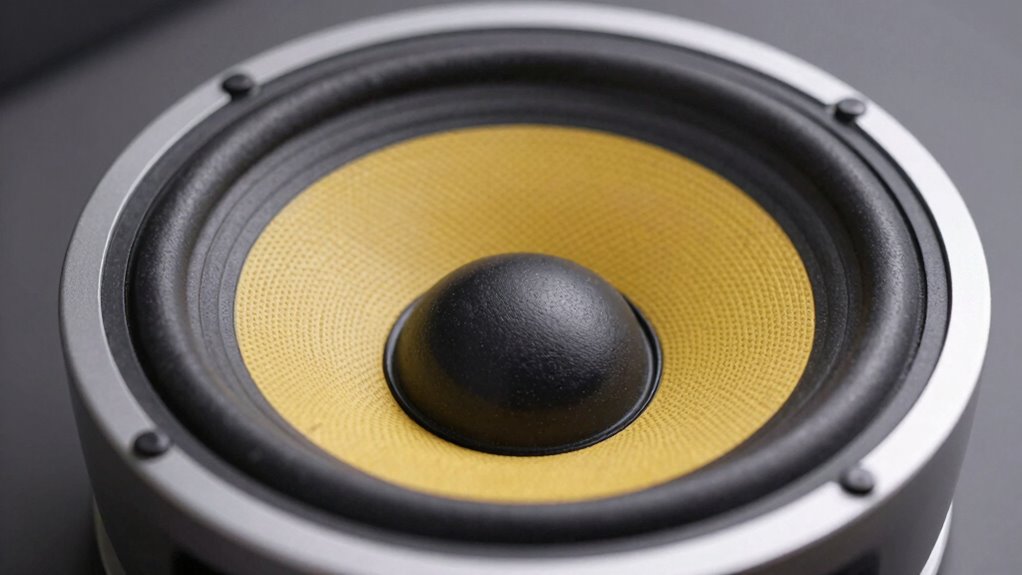
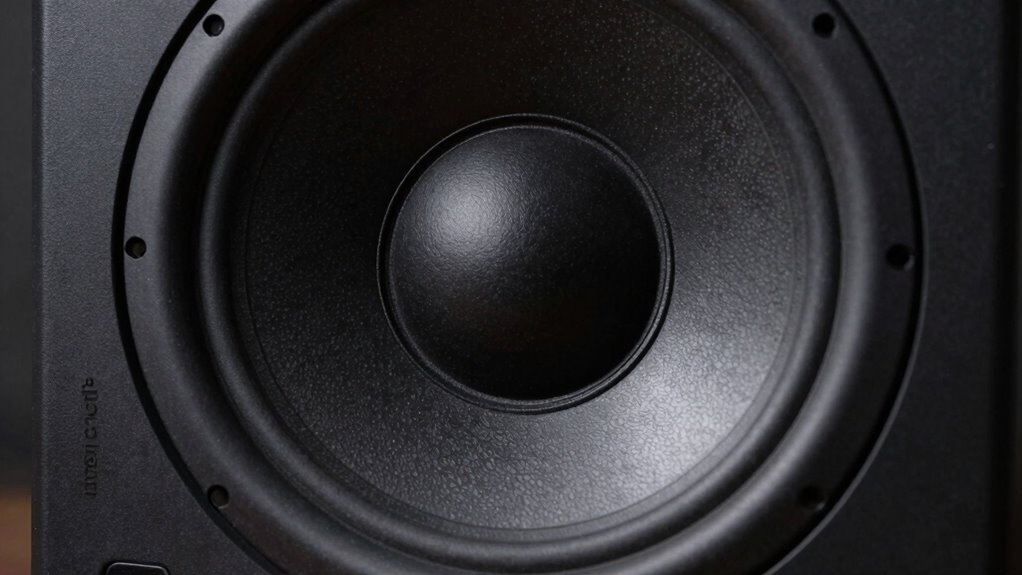
Understanding speaker specifications can seem intimidating, but breaking them down makes choosing the right one much easier. When you’re looking at different speakers, details like sensitivity, impedance, and power handling can feel overwhelming. However, focusing on key factors like woofer placement and crossover frequency can help you make smarter choices suited to your needs. For example, woofer placement influences how sound is dispersed and how well the speaker fills a space, so understanding where the woofer is positioned can help you predict the speaker’s performance. If the woofer is placed centrally or in a well-designed cabinet, it often produces clearer, more balanced sound. Additionally, crossover frequency plays a vital role in how speakers divide the audio signal between different drivers, such as woofers and tweeters. A crossover frequency that’s well-matched to your speaker setup ensures a smooth transition between bass and treble, resulting in richer, more accurate sound.
When evaluating sensitivity, you’re fundamentally looking at how loud a speaker can get with a given amount of power. A higher sensitivity rating means you need less power to reach a certain volume, which is ideal if you’re using a less powerful amplifier or want to keep power consumption low. Impedance, on the other hand, refers to how much a speaker resists electrical current. Lower impedance speakers (like 4 ohms) draw more current and can produce higher volume levels, but they also demand more from your amplifier. Higher impedance speakers (8 ohms or more) are easier on your amplifier and generally more compatible with a wider range of receivers and amps.
Power handling indicates how much power a speaker can manage without damage. Matching this with your amplifier’s output guarantees your speakers stay healthy and perform at their best. If your amp produces more power than your speaker’s maximum handling capacity, you risk damaging it. Conversely, if it’s too weak, you might not reach the volume levels you desire.
high sensitivity bookshelf speakers
As an affiliate, we earn on qualifying purchases.
As an affiliate, we earn on qualifying purchases.
Frequently Asked Questions
How Do Environmental Factors Affect Speaker Performance?
Environmental factors critically impact your speaker performance. In acoustic environments, sound can be absorbed or reflected, affecting clarity and volume. Outdoor durability is essential if you use speakers outside—exposure to moisture, temperature changes, and dust can damage components. You’ll want weather-resistant models for outdoor use and consider acoustic environments to optimize sound quality indoors, ensuring your speakers perform reliably regardless of where you listen.
Can Different Speaker Brands Have Incompatible Specifications?
Yes, different speaker brands can have incompatible specifications, leading to potential issues like specification mismatches. When you mix brands, pay attention to compatibility, especially regarding impedance and power handling. If these specs don’t align, you might experience poor sound quality or even damage your equipment. Always check the specifications carefully and make sure your amplifier and speakers are compatible to avoid any issues and get the best performance.
What Maintenance Is Required for Optimal Speaker Longevity?
Imagine your speakers as fine instruments, needing gentle care to stay vibrant. You should regularly dust them with a soft cloth, avoiding harsh cleaners that could harm the speaker’s durability. Use cleaning techniques like vacuuming the vents or grills to remove dust buildup. Keep them in a stable environment, free from excessive heat or humidity. Proper maintenance guarantees your speakers remain clear, powerful, and ready to deliver quality sound for years.
How Do Wireless Speakers Compare in Specs to Wired Ones?
Wireless speakers often offer greater convenience with wireless compatibility, allowing you to stream music without cables. However, wired speakers typically have advantages like consistent power delivery and potentially better sound quality due to direct connections. When comparing specs, consider your need for mobility versus sound fidelity. If you prioritize flexibility and ease of use, wireless works best; if you want reliable performance, wired options may suit you better.
Are Higher Sensitivity Ratings Always Better for Sound Quality?
Higher sensitivity ratings don’t always mean better sound quality because of sensitivity trade-offs. While they can produce louder sounds with less power, extremely high sensitivity may lead to sound distortion or a less balanced audio experience. Consider the sound quality implications and how the sensitivity aligns with your listening environment. It’s best to find a balance that suits your needs, rather than just chasing the highest sensitivity rating.
Conclusion
Understanding speaker specs isn’t just technical jargon—it’s your secret weapon for mastering sound. When you decode sensitivity, impedance, and power handling, you access the full potential of every note and beat. Think of it as wielding a superpower that transforms your listening experience from ordinary to mind-blowingly epic. So, dive deep into these specs, and watch as your audio world becomes a universe where every sound hits harder, clearer, and more perfectly tailored to you.
Fall Picks
fall essentials
As an affiliate, we earn on qualifying purchases.