When buying an air conditioner, focus on energy efficiency ratings like SEER to save on bills over time, even if the initial cost is higher. Make sure the unit’s cooling capacity matches your room size—too small won’t cool well, while too large wastes energy. Proper installation and placement are essential for maximum performance and savings. Keep these tips in mind, and you’ll discover even more ways to choose the right system for your home.

Get decor and gifts delivered free with Prime
- Fast, free delivery on millions of items
- Prime Video, Amazon Music and more included
- Member-only deals all year
Key Takeaways
- Choose units with high energy efficiency ratings, like Energy Star, to save on long-term energy costs.
- Accurately determine the cooling capacity (BTUs) based on room size and insulation for effective cooling.
- Properly size your AC to prevent short cycling or inadequate cooling, maximizing efficiency and comfort.
- Install the unit away from heat sources and ensure proper sealing for optimal airflow and energy savings.
- Ensure professional installation and regular maintenance to maintain efficiency, durability, and peak performance.
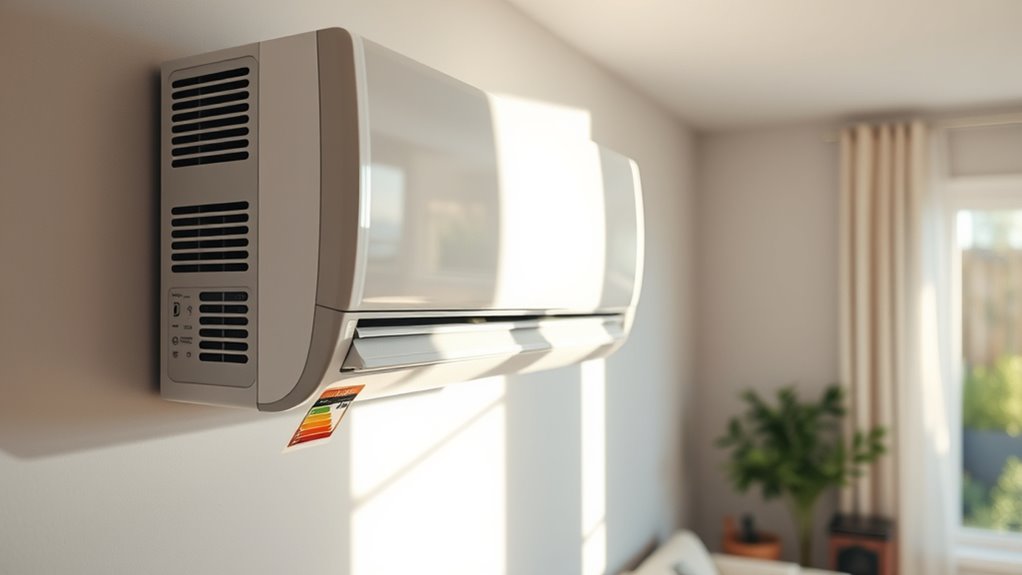
Thinking about buying an air conditioner? If you’re looking to stay cool while keeping energy bills in check, understanding efficiency and capacity is essential. When choosing an AC, focus on models with high energy efficiency ratings, like those with Energy Star certification. These units consume less electricity, leading to better energy savings over time, especially during the hottest months. To maximize your investment, it’s also important to consider installation tips that can improve the unit’s performance. Proper placement and securing the right size for your space ensure your air conditioner works efficiently without overexerting itself.
First, pay attention to the cooling capacity measured in BTUs (British Thermal Units). Picking a unit with too little power means it won’t adequately cool your space, forcing it to run constantly and increasing your energy consumption. Conversely, an oversized AC cools too quickly, often leading to short cycling and uneven temperature control. To find the right capacity, measure your room’s square footage and consider factors like ceiling height, insulation, and sunlight exposure. This helps you choose an AC that’s neither under nor overpowered, maximizing energy savings and comfort.
Choosing the right BTU capacity ensures efficient cooling and energy savings.
Efficiency ratings, such as the Seasonal Energy Efficiency Ratio (SEER), guide you toward models that use less energy for the same cooling output. A higher SEER rating indicates a more efficient unit, which translates into lower electricity bills. When purchasing, compare these ratings across different models and aim for the highest feasible SEER within your budget. Remember, the initial cost might be higher for a more efficient unit, but the long-term savings on energy bills will likely outweigh the upfront expense.
Installation plays an important role in the effectiveness of your air conditioner. Proper placement can greatly boost efficiency. Keep the unit away from direct sunlight, windows, or heat-producing appliances. Ensure that the unit is installed with a proper seal around the window or wall opening to prevent air leaks, which can cause your system to work harder. Also, consider the airflow direction and unobstructed vents for best performance. If possible, hire a professional to handle installation, as they can ensure the unit is correctly installed, which not only improves energy savings but also extends its lifespan.
Products Worth Considering
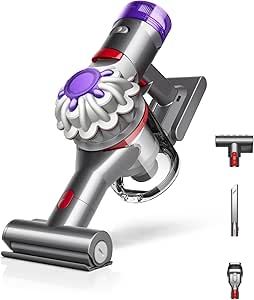
Dyson Car+Boat Cordless Handheld Vacuum

Shark Navigator Robot Vacuum with 30-Day Self-Empty Base, White (AV2110S)

Philips Hue Bridge Pro Smart Lighting Hub
As an affiliate, we earn on qualifying purchases.
Frequently Asked Questions
How Often Should I Service My Air Conditioner?
You should service your air conditioner at least once a year to keep it running efficiently. Regular maintenance tips include checking refrigerant levels and cleaning or replacing filters. If you notice reduced cooling or strange noises, it’s a sign you need to schedule a professional check-up sooner. Proper servicing helps prevent costly repairs, improves energy efficiency, and extends your AC’s lifespan, ensuring you stay comfortable all season long.
Can I Install an Air Conditioner Myself?
You can attempt DIY installation, but it’s risky. Imagine rushing through the process, only to find your unit isn’t working properly or causing damage. While some minor tasks might be manageable, most air conditioners require professional help for safe, efficient setup. Expert technicians ensure proper placement, electrical connections, and refrigerant handling. Skipping professional help might save money upfront but could lead to costly repairs or safety hazards later.
What’s the Best Type of Air Conditioner for a Small Room?
For a small room, a window unit or portable air conditioner is your best choice. Window installations are effective, affordable, and easy to set up, providing direct cooling where you need it. Portable units are flexible, don’t require permanent installation, and can be moved around easily. Both options are energy-efficient for small spaces, helping you stay comfortable without unnecessary power usage. Choose based on your space and installation preferences.
How Does Humidity Affect Air Conditioner Performance?
Humidity levels directly impact your air conditioner’s performance. When humidity is high, your AC works harder to control humidity and remove moisture from the air, which can reduce its efficiency. Proper humidity control helps maintain comfort and prevents mold growth. To optimize performance, choose an AC with good moisture removal capabilities, and consider a dehumidifier if necessary, especially in very humid environments. This guarantees your space stays comfortable and the unit functions efficiently.
Are Energy-Efficient Models More Expensive Upfront?
Energy-efficient models usually cost more upfront due to advanced technology and features. However, you’ll save on energy bills over time through better energy savings, which can offset the initial cost. Investing in an efficient air conditioner might seem pricey initially, but the long-term savings and reduced environmental impact make it a smart choice. Consider your budget and long-term savings to find the best balance.
Conclusion
Remember, choosing the right air conditioner isn’t just about price—efficiency and capacity matter too. An ENERGY STAR-rated unit can save you up to 30% on energy bills annually, highlighting the importance of selecting an energy-efficient model. By understanding your space and cooling needs, you’ll not only stay comfortable but also reduce your environmental impact and save money in the long run. So, take your time to pick wisely—you’ll thank yourself every hot summer day!