TL;DR

Get decor and gifts delivered free — and shop member deals
- Fast, free delivery on millions of items
- Access to Prime Big Deal Days deals on October 6–7
- Prime Video, Amazon Music and more included
Decorative throw pillows add color, texture, and comfort, and changing a few covers can refresh a room without replacing furniture. Choose sizes that suit your sofa or bed, match the insert to how you’ll use the pillow, and combine a shared color with varied patterns and textures. Removable, durable covers make everyday use easier, especially in homes with children or pets.
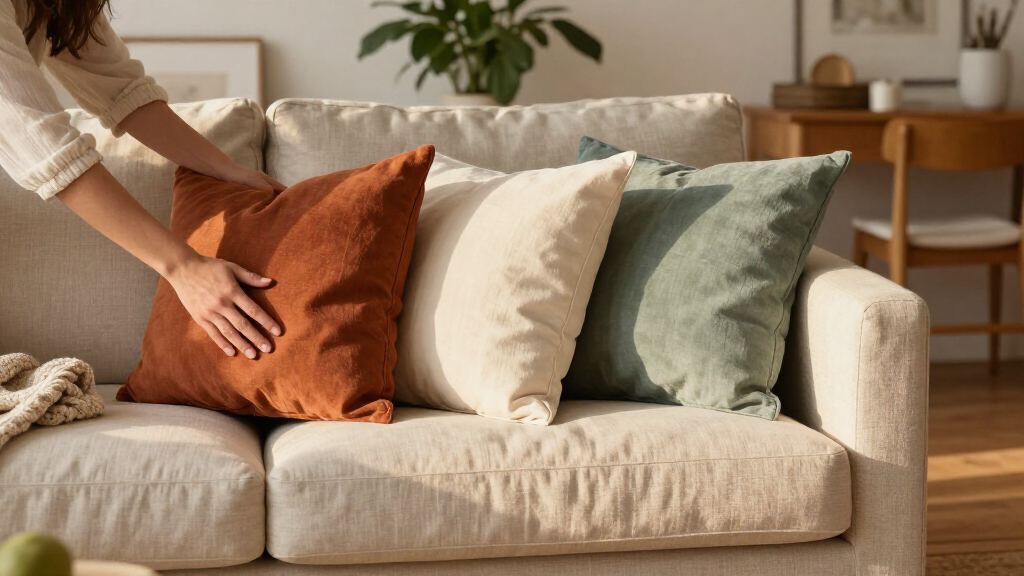
A sofa can look completely different after you swap out three pillow covers. The cushions haven’t moved, the walls haven’t changed, but a rusty velvet square, a narrow stripe, and a nubby cream weave can make the room feel warmer and more finished. That’s the appeal of decorative throw pillows: a flexible way to refresh a room without buying a new sofa.
The trick is choosing pillows that suit your furniture and your routines, not just a styled photo. A pillow used to prop up your back needs a different fill from one that sits untouched on a bed. Below, you’ll find practical guidance on size, fabric, inserts, color, and care, along with examples you can adapt to your own space.
Think of pillows as the finishing brushstrokes in a room. A little variety adds depth; too many can leave you moving cushions to the floor every time you sit down. The key facts are simple: start with proportion, decide what the pillows need to do, and make your choices fit the people—and pets—who use the room.
Use 18-, 20-, and 22-inch squares as common size options, then check how they fit your furniture before ordering.
Tie mixed patterns and textures together with one repeated color; a solid, a print, and a textured fabric make a useful starting trio.
Choose down or feather for a soft, reshapeable feel, polyester for an often more affordable animal-free option, and foam or firmer fills for structured support.
Check care labels before washing: a removable cover is convenient, but not every fabric is machine washable.
Try new covers before replacing inserts, and replace an insert when it no longer holds its shape or gives useful support.
Choose pillow sizes that fit your sofa, chair, or bed
Decorative throw pillows look balanced when their size matches the furniture beneath them: large sofas can carry larger cushions, while compact chairs need smaller ones. Common square sizes include 18, 20, and 22 inches, but those numbers are a starting point, not a rule. Check the width of the seat and the height of the back before you buy. Scale affects more than appearance: an oversized pillow can reduce usable seat depth, while a tiny one may not provide meaningful back support or stand out visually.
For instance, a broad three-seat sofa can handle a pair of 22-inch pillows at the ends, with smaller cushions layered in front. On a slim apartment loveseat, two 20-inch pillows may already take up plenty of room. A 22-inch cushion shoved into a narrow chair can look like a beanbag; an 18-inch pillow may disappear against an oversized sectional. Also consider how deep the seats are. A large pillow takes up proportionally more room on a shallow seat, so the same size that looks generous on a deep sectional can leave little space to sit on a compact sofa.
On a bed, think about the pillows you already sleep on. Decorative cushions should add a front layer without blocking access to the headboard or swallowing the sleeping pillows. A pair of larger squares can anchor a queen bed, while a smaller lumbar cushion adds a finishing touch without creating a mountain you have to dismantle at bedtime. If you make the bed every day, a small, easy-to-remove group is likely to be more practical than a layered display; if the bed is mainly a visual focal point, you may be willing to trade that convenience for more layers.
Use this quick proportion check before ordering: measure the furniture’s usable width, mark out the space the pillows will occupy, and leave enough room for people to sit comfortably. Good scale means the cushion supports the look without stealing the seat. When you’re unsure, cut paper squares in the listed dimensions and place them on the sofa. It’s a simple way to spot an awkward size before a delivery arrives. This check also helps you judge how many cushions fit: the goal is not to fill every inch, but to leave room for people to shift position and use the furniture as intended.
decorative throw pillow covers 18 inch
As an affiliate, we earn on qualifying purchases.
As an affiliate, we earn on qualifying purchases.
Mix colors, patterns, and textures without making a mess
A coordinated pillow mix usually needs one visual link, such as a repeated color, rather than matching fabric on every cushion. Try combining a solid, a pattern, and a texture, then repeat one shade across the group. This gives your eye a clear connection while letting each pillow bring something different to the sofa. The shared color acts like a thread between pieces; without it, even attractive pillows can feel like separate choices rather than one arrangement.
Say your living room has a deep blue rug and a light gray sofa. A small-scale blue-and-cream stripe can echo the rug, a solid rust pillow can add warmth, and a cream woven cushion can soften the whole arrangement. The fabrics differ, but the shared blue and cream keep them from feeling like unrelated purchases. The balance matters: if every pillow repeats the rug exactly, the group can feel overly matched; if none relates to the room, it may seem disconnected. One or two repeated shades are usually enough to establish a relationship without making everything identical.
Scale matters as much as color. If you choose a bold, large floral print, pair it with a quieter stripe or a solid rather than another oversized pattern fighting for attention. Think of the biggest pattern as the lead singer; the smaller designs are the backing band. They can be lively, but they shouldn’t all demand the microphone. Contrast in scale helps each pattern remain legible from across the room, while texture adds interest at close range without introducing another competing motif.
For a quick shopping method, photograph your room in daylight and bring the picture when you browse. Compare pillow samples against the sofa, rug, curtains, or a favorite artwork. Color can look different under warm lamps than it does near a bright window, so check the fabric at home if you can. A cover that seems perfectly beige in a store may look yellow beside a cool gray sofa. If you’re deciding between a bold accent and a quieter neutral, consider how often you want to change the room: a strong color makes a more noticeable statement, while a neutral can be easier to keep through seasonal or furniture changes.
Easy styling rule: Choose one shared color, then vary the pattern scale and fabric texture.
Pick a fabric and insert that match how you’ll use the pillow
The best pillow combination depends on whether you’ll lounge against it, use it for back support, or treat it mainly as an accent. Cotton and linen feel breathable and relaxed; velvet offers a softer, richer look; wool and woven fabrics add visible texture. Performance fabrics can suit busy rooms because they’re often designed to resist stains or fading, though their care labels still matter. These choices involve tradeoffs: a plush or textured surface can make a room feel inviting, but may require more attention to lint, snags, or cleaning than a smoother, simpler cover.
Fill changes the feel just as much as fabric. Down and feather inserts are soft and easy to reshape, making them a good fit if you enjoy a relaxed, sink-in cushion. That softness comes with upkeep: they may need regular fluffing and can be a poor fit for people with relevant allergies or who prefer animal-free materials. Polyester is usually more affordable and can suit people who avoid animal-derived materials, though its support and ability to recover can vary by product. Foam or firmer inserts provide more structured support, which may work better behind your lower back during a long evening on the sofa, but can look less relaxed and feel too firm for a cushion used mainly for lounging.
For instance, imagine a family room where a parent reads while a dog naps on the couch. A sturdy, removable performance-fabric cover may be more practical than delicate velvet, and a supportive insert may be more useful than a floppy accent cushion. In a quieter sitting room, you might choose velvet and feather fill for a softer, more dressed-up feel. The best choice depends on which inconvenience you’d rather avoid: a delicate fabric may need more careful use, while a durable option may offer a less luxurious hand. Matching the pillow to the room’s actual routine helps prevent a beautiful cushion from becoming something everyone is told not to touch.
Check the cover’s care instructions and the insert’s allergy information before buying. A zipper makes a cover easier to remove, but it doesn’t mean the fabric belongs in a washing machine. Care depends on the material: some covers need spot cleaning or professional care. If a cover looks beautiful but its upkeep doesn’t fit your routine, it probably isn’t the right choice for everyday seating. Consider the full combination, too: an easy-care cover cannot compensate for an insert that is uncomfortable, and a supportive insert won’t be useful if its cover is difficult to maintain in a frequently used room.
Use this simple four-step process to style a pillow arrangement
To style decorative throw pillows, begin with the furniture, pick a color connection, vary the pillow shapes or textures, and remove any cushion that gets in the way. This order keeps you focused on comfort and proportion first, rather than buying a pile of attractive pillows that don’t work together. Try the steps below, then adjust the arrangement while sitting on the sofa. Starting with the room’s needs also helps you avoid buying a coordinating set that looks polished but leaves no practical place to lean or stretch out.
- Choose your anchor. Start with the largest sofa cushion or the room’s most prominent color, such as the blue in a rug. This gives the arrangement a reference point, so later choices can relate to something already in the room.
- Add a solid or quiet print. Use a calmer pillow to give the eye somewhere to rest beside a bold pattern. Without a quieter element, several high-contrast designs can compete and make the group feel busy.
- Bring in texture or a different shape. A woven square or lumbar pillow adds variety without requiring another loud print. Different shapes can also serve different purposes: a lumbar pillow may support the lower back, while a square can make a broader decorative statement.
- Test the arrangement in use. Sit down, lean back, and remove anything that blocks a seat or needs constant rearranging. What looks balanced from across the room may feel crowded when you actually use the sofa, so comfort is part of the styling test, not an afterthought.
For example, a small sectional could start with a pair of 20-inch solids at the outer corners, a patterned cushion on one side, and a lumbar pillow near the middle. You don’t need symmetry to make the grouping feel deliberate; repeating a color can link an uneven arrangement. An asymmetrical layout can also leave one side more open for sitting or stretching out, which may be a better fit for how the sectional is used.
There’s no magic pillow count for every sofa. A deep sectional has more room than a narrow loveseat, and a household that uses the couch for naps may want fewer cushions. Comfort is the final test. If you have to move every pillow before you can sit, the arrangement has become decoration at the expense of the furniture. Treat the first arrangement as a draft: removing one pillow or shifting a lumbar cushion can improve both the balance and the ease of using the sofa.
Make pillow care easier in homes with kids and pets
In a busy home, the most useful throw pillows have covers and fabrics that fit the messes you actually face. Look for removable covers, sturdy construction, and secure closures, then follow each product’s care label. A zipper can make it easier to remove a cover for cleaning or seasonal changes, but washing instructions vary by fabric and finish. Removability is useful because it separates a small cleaning job from the task of washing an entire cushion, but it is only a real advantage if the cover can be cleaned in a way that suits your household.
Picture a child carrying a cup of juice onto the couch. A removable cover gives you the option to take it off promptly, while a fabric designed to resist stains may give you more time to respond. Neither feature makes a pillow spill-proof, so check the label and clean promptly using the manufacturer’s directions rather than guessing with hot water or harsh chemicals. Quick response can matter because a spill that sits may be harder to remove, but aggressive cleaning can damage a finish or set a stain; following the recommended method is usually a better tradeoff than treating every fabric the same way.
For pets, consider a tightly woven, durable cover that won’t snag as easily on claws. Darker or patterned fabrics may disguise small marks better than pale, flat weaves, but they won’t prevent wear. If a pillow spends more time on the floor than on the sofa, choose something you can clean without stress—or keep the delicate cushion for a less-used chair. Think about the pet’s habits as well as the fabric: a cover that resists snags is less helpful if it attracts hair that is difficult to remove, while a pattern may hide fur or marks but not eliminate the need for cleaning.
Seasonal covers are another practical option. Keep the same inserts and switch from lighter cotton in warm weather to a deeper, textured fabric when the room feels chilly. This flexible way to refresh a room can change its mood without adding bulky furniture or buying a new set of cushions. It also lets you store a small number of covers instead of complete pillows, though the inserts still need to fit each cover properly. Keep pillows away from open flames, and check labels for care and safety directions.
Spend wisely on covers and replace only what needs replacing
You don’t need to replace every pillow when a room starts to feel tired. Often, changing a few covers gives you the visual shift you want while letting you reuse inserts that still feel supportive. Removable covers also make it easier to respond to a new rug, a seasonal color change, or a small spill without storing a whole extra set of cushions. This approach can reduce both cost and clutter, but it works best when the existing inserts are still in good condition and the new covers are compatible with their dimensions.
Before buying, check the cover dimensions and the insert’s actual size. Some people prefer an insert slightly larger than its cover for a fuller look, but the right fit depends on the fabric and product guidance. A cover that’s stretched tight can strain seams or make the cushion feel lumpy; an undersized insert can leave corners drooping like empty pockets. A fuller insert may make a pillow look more substantial, but it can also make a firm cushion harder to compress. If you use the pillow for support, prioritize a comfortable fit over a perfectly plump appearance.
Consider where your money will matter most. A durable, frequently used sofa pillow may be worth a sturdier cover, while a decorative cushion on a seldom-used chair can be a place to try a more delicate fabric. If you’re considering recycled or lower-impact materials, read the product details and care requirements rather than relying on a broad sustainability label alone. A lower-impact material that needs frequent replacement or special upkeep may not suit every home, so weigh the product’s durability and cleaning needs alongside its stated materials.
There’s no universal schedule for replacing inserts. Replace one when it stays flat after fluffing, has damaged seams, or no longer gives the support you need. For example, a daily-use lumbar cushion may lose its shape before a bedroom accent pillow. Judge each pillow by its condition and job, not by the age of the entire set. If only one insert has worn out, replacing that insert can restore the pillow without requiring a matching new set; if the cover is also damaged or difficult to care for, replacing both may be the more practical choice.
Frequently Asked Questions
What size throw pillows should I use on a sofa?
Common square sizes are 18, 20, and 22 inches. Larger sofas can usually handle bigger cushions, while a compact chair or loveseat may need smaller ones. Check the usable seat width and leave enough room to sit comfortably.
How many decorative pillows should I put on a sofa?
There isn’t one right number: sofa size and how you use it matter. Start with a few pillows, sit down, and remove any that crowd the seat or need constant moving. A narrow loveseat generally needs fewer than a wide sectional.
How do I mix pillow patterns without clashing?
Use one shared color to connect the group, then vary pattern scale and texture. For example, pair a blue-and-cream stripe with a solid rust pillow and a cream woven cushion. Keep one pattern quieter if another has a large, bold design.
Which pillow insert is best for comfort and support?
Down and feather inserts feel soft and are easy to reshape, while polyester is often more affordable and may suit people avoiding animal-derived fills. Foam or firmer inserts can give more structured back support. Check product details for care and allergy information.
Can I wash decorative pillow covers in the washing machine?
Only if the care label says you can. Some fabrics need spot cleaning or professional care, even when their covers zip off. Follow the manufacturer’s instructions to avoid shrinking, fading, or damaging the finish.
Conclusion
Choose pillows by asking three practical questions: Do they fit the furniture, feel right for their job, and suit the way your home is used? Start with a manageable mix, check the fabric and care label, and test the arrangement where you actually sit.
A few thoughtful changes can make a familiar sofa feel fresh—like opening the curtains on a room you already love.
Halloween Picks
halloween
As an affiliate, we earn on qualifying purchases.