
Understanding fireproof safes’ ratings can be tricky. A “1-hour” label means the safe has passed standardized tests showing it withstands fire for about 60 minutes at around 1700°F, but it doesn’t guarantee protection in every real fire. Construction quality, placement, and contents’ heat sensitivity also matter. To truly get a safe that fits your needs, it’s important to know what those ratings mean and how they work behind the scenes—you’ll see how everything fits together as you explore further.
Get ready for Prime Big Deal Days — try Prime free
Exclusive member deals on October 6–7, plus fast free delivery. Cancel anytime.
As an affiliate, we earn on qualifying purchases.
Key Takeaways
- A “1-hour” fireproof safe is tested to endure 1700°F for at least 60 minutes under standardized conditions.
- Fire ratings indicate protection duration during testing, not guaranteed survival in actual fires.
- Construction quality, insulation, and placement significantly influence real-world fire resistance.
- Not all safes with the same rating perform equally; materials and design details matter.
- Proper installation and combining a rated safe with fire safety practices maximize protection.
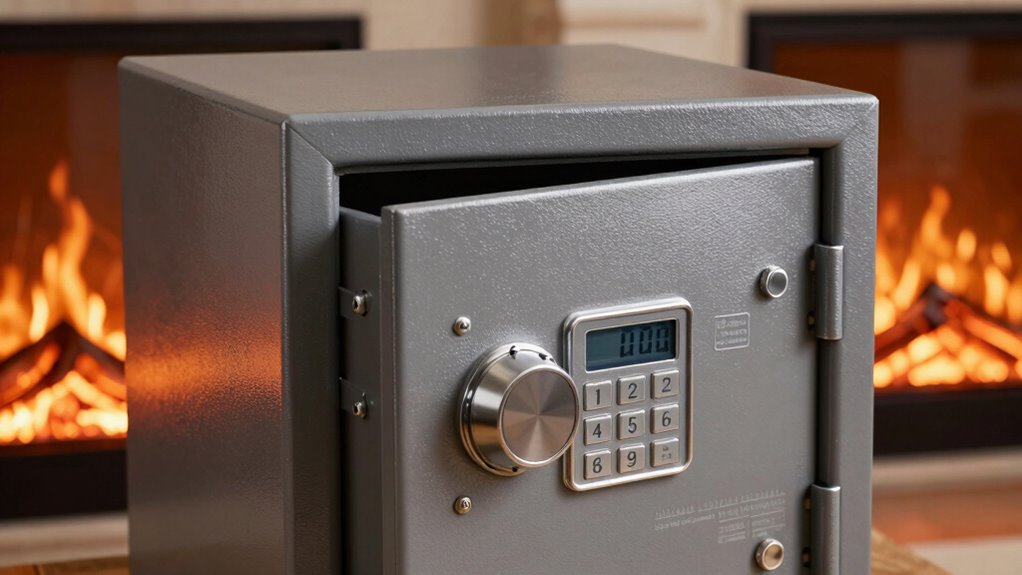
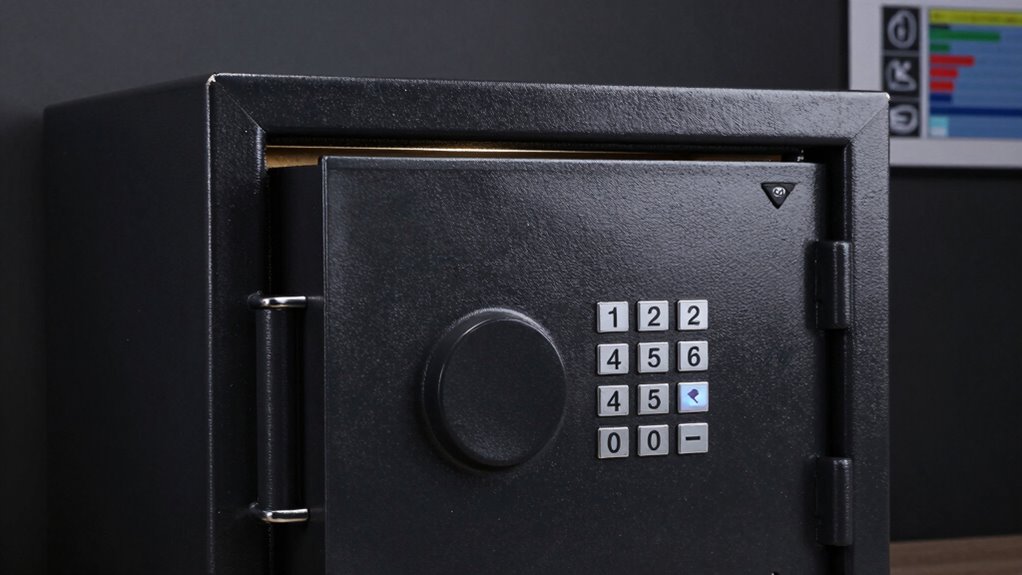
Fireproof safes are vital for protecting your valuable documents, jewelry, and digital storage from the destructive effects of fire. When selecting a safe, understanding fire safety and safe construction becomes fundamental. Fire safety isn’t just about having a safe; it’s about choosing one that’s built to withstand extreme heat and flames. Safe construction involves the materials and design that determine how well a safe can endure fire exposure. A sturdy, well-constructed safe acts as a barrier, preventing heat and smoke from reaching its contents. It’s important to realize that not all safes are created equal, and the construction quality directly impacts their fire resistance.
Most fireproof safes are tested and rated based on how long they can withstand fire exposure, commonly measured in hours. The “1-hour” rating, for example, indicates that the safe can protect its contents from fire for at least 60 minutes at a specified temperature, usually around 1700°F. But what does this mean in practical terms? It’s a common myth that a “1-hour safe” will survive any fire for that duration; in reality, the rating is based on standardized testing conditions. Factors like the intensity of the fire, the safe’s placement, and the contents’ heat sensitivity all influence performance in a real-world scenario.
A fire rating indicates how long a safe can protect valuables under standardized testing conditions.
Understanding safe construction helps you evaluate what a fire rating truly signifies. The core of a fireproof safe typically includes fire-resistant insulation, which acts as a thermal barrier. The outer shell is usually made of steel or other durable metals designed to resist warping and puncturing. High-quality safes also feature seals that prevent smoke and heat from entering, adding another layer of protection. When comparing safes, pay attention to the construction details—thick walls, multiple layers of insulation, and solid locking mechanisms all contribute to the safety of your valuables. Additionally, fire-resistant insulation plays a critical role in maintaining the safe’s integrity during a fire.
While fire ratings provide a helpful benchmark, they shouldn’t be your only consideration. Think about where you’ll place the safe and how it’s built. Proper installation and placement in a fire-resistant environment can enhance its effectiveness. Remember, a well-constructed safe with a solid fire rating offers peace of mind, but it’s equally important to practice good fire safety habits. Investing in a high-quality, well-constructed fireproof safe ensures you’re doing everything possible to protect your most treasured items from the unpredictable threat of fire.
As an affiliate, we earn on qualifying purchases.
Frequently Asked Questions
How Do Fireproof Safes Handle Water Damage During a Fire?
Fireproof safes typically offer limited water resistance, so during a fire, they can handle some water exposure but aren’t completely waterproof. You benefit from the fire and water synergy, as some safes are designed with seals to protect contents from both heat and water damage. Keep in mind, prolonged water exposure might compromise the safe’s integrity, so choose one with a high water resistance rating if water protection is a priority.
Are There Different Ratings for Different Types of Fires?
Like a knight’s armor, fireproof safes are rated for specific fire resistance levels based on fire classification. You’ll find different ratings for various fire types, such as quick-burning or slow smoldering fires. These classifications determine how long a safe can protect your valuables. So, when choosing a safe, check its fire classification to guarantee it can withstand the particular fire threat you’re most concerned about, giving you peace of mind.
Can Fireproof Safes Be Tampered With or Opened Easily?
Fireproof safes can be tampered with through safe cracking or exploiting lock vulnerabilities, but they’re designed to resist such attacks. While no safe is entirely invulnerable, quality safes use complex locking mechanisms and sturdy materials to deter easy access. You should always choose a reputable brand and follow security best practices to minimize risks. Remember, even the best safe requires proper handling and monitoring to ensure your valuables stay protected.
Do All Fireproof Safes Meet Insurance Requirements?
Most fireproof safes, about 90%, meet insurance requirements, but it’s essential you verify specific ratings. You need to confirm the safe’s construction and fire safety ratings align with your insurer’s standards. Always verify the UL or ETL certifications, as these indicate compliance. Don’t assume all safes qualify—look for those explicitly rated for your needed duration and contents to protect your valuables effectively.
How Often Should I Test or Replace My Fireproof Safe?
You should test your fireproof safe annually to guarantee it maintains proper insulation and functionality. Follow the replacement guidelines provided by the manufacturer, typically around 5 to 10 years, depending on usage and wear. Regular safe maintenance, such as checking seals and locks, helps preserve its fireproof capabilities. If you notice any damage or decrease in performance during tests, replace the safe sooner to protect your valuables effectively.
Conclusion
When choosing a fireproof safe, remember that those “1-hour” labels are more like gentle whispers than ironclad promises. Think of it as a warm hug from a trusted friend, offering reassurance rather than absolute security. While no safe is invincible, understanding the nuances helps you set realistic expectations. So, treat your safe like a cozy nest — a comforting shield that’s there when you need it, but not an impenetrable fortress.
Fall Picks
fall essentials
As an affiliate, we earn on qualifying purchases.