
If you want to save space, cut costs, and boost efficiency, a combo robot might be your answer. Instead of maintaining two separate machines, one versatile device can handle multiple tasks, reducing staffing needs and cycle times. This streamlined approach can also improve resource use and operational flexibility. However, it’s important to contemplate maintenance and integration — keep exploring to discover how a combo robot could fit into your operations.
Key Takeaways
- Combining functions into one robot reduces space, staffing, and operational costs, offering significant long-term savings.
- Proper maintenance and reliable parts are crucial to ensure the combo robot’s cost-effectiveness over time.
- Integration with cloud solutions enhances performance monitoring, minimizing downtime and maximizing productivity gains.
- The initial investment may be high, but savings from fewer machines and faster workflows often justify the expense.
- Effective setup and training are essential to fully realize the cost-saving benefits of a combo robot.
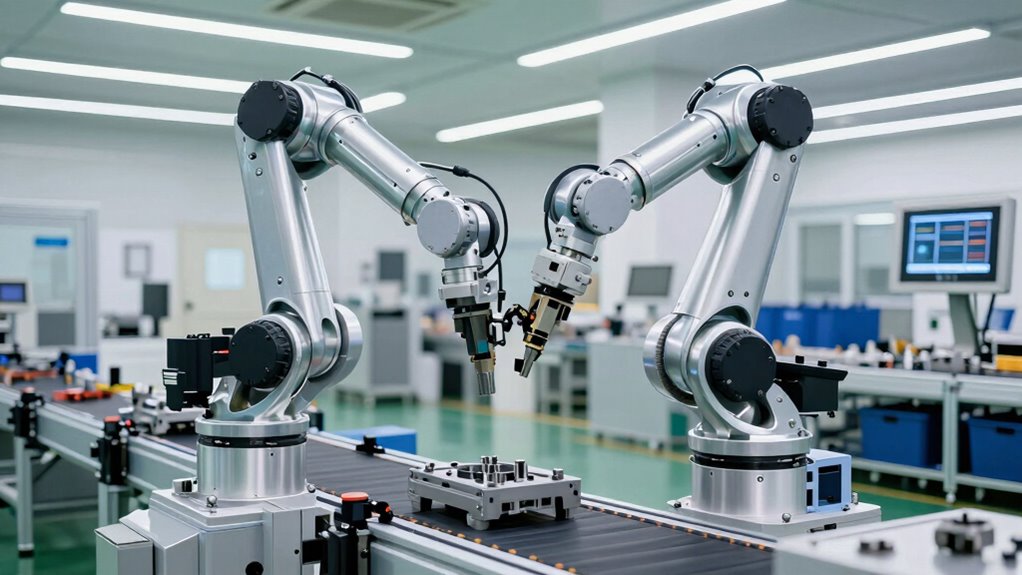
Are you wondering if a combo robot is worth the investment? It’s a common question for businesses looking to streamline operations and cut costs. A combo robot, which combines multiple functions into a single machine, promises to save space, reduce staffing needs, and boost productivity. But before jumping in, it’s essential to consider the ongoing maintenance costs and how it impacts operational efficiency. While the upfront price might seem high, the real savings often come from the long-term performance and versatility it offers.
When evaluating a combo robot, maintenance costs play a crucial role. These machines often feature complex components that require specialized care. However, many modern models are designed with durability and ease of maintenance in mind, which can help control long-term expenses. You’ll want to ask about parts availability, service intervals, and support options from the manufacturer. If maintenance costs are too high or frequent repairs are needed, it could offset the savings gained from combining multiple functions into one machine. On the other hand, a well-maintained combo robot can run smoothly for years, reducing downtime and minimizing the need for multiple separate machines.
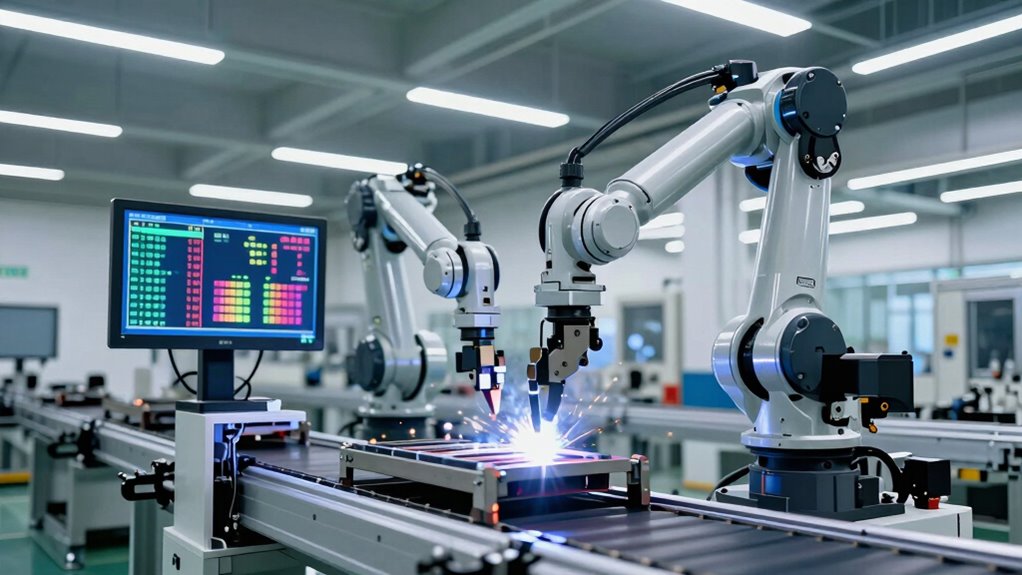
Operational efficiency is another key factor to consider. By integrating multiple tasks into a single robot, you reduce the need for manual transfers between different machines, which speeds up workflows. This consolidation minimizes errors and shortens production cycles, leading to increased throughput. With fewer machines to manage, your team can focus on oversight and quality control, rather than juggling multiple pieces of equipment. Additionally, the flexibility of a combo robot means you can adapt quickly to changing production demands, without the need for extensive reconfiguration or additional machinery. This agility often results in better resource utilization and cost savings over time.
Moreover, leveraging European cloud solutions can enhance the management and monitoring of such advanced equipment, ensuring optimal performance and maintenance scheduling. However, it’s important to recognize that the efficiency gains depend heavily on how well the combo robot is integrated into your existing processes. Proper training, setup, and maintenance routines are vital to maximize performance. When these elements are in place, the operational efficiency benefits become clear: faster production, fewer bottlenecks, and lower labor costs. Conversely, if the robot isn’t properly configured or maintained, it could lead to unforeseen delays and increased expenses, undermining the initial appeal.
In the end, investing in a combo robot can make sense if you carefully weigh the maintenance costs against the gains in operational efficiency. When managed properly, it can be a smart move that saves money and boosts productivity, especially in environments where space and flexibility are limited. Just remember, the true value lies in how well it’s integrated into your workflow and how proactively you maintain it over time.

MONSGA Robot Vacuum and Mop Combo, 90 Days Self-Emptying with 8000Pa Suction, LiDAR Smart Mapping, Dual Anti-Tangle for Pet Hair, Carpet and Hard Floor
- High Suction Power: 8000Pa maximum suction for deep cleaning
- Anti-Tangle Brush System: Dual anti-tangle brushes reduce hair wrap
- Automatic Carpet Boost: Increases suction on carpets for deep debris removal
As an affiliate, we earn on qualifying purchases.
As an affiliate, we earn on qualifying purchases.
Frequently Asked Questions
How Do Combo Robots Compare in Long-Term Maintenance Costs?
Combo robots often have a higher initial cost but tend to save you money in the long run because of lower maintenance frequency and simplified upkeep. Their integrated design reduces the need for separate parts and repairs, leading to a more favorable cost comparison over time. You’ll likely spend less on maintenance and repairs, making combo robots a cost-effective choice for long-term operations.
Can Combo Robots Handle Complex or Specialized Tasks?
Think of a combo robot as a Swiss Army knife—you get precision and versatility in one tool. It can handle complex or specialized tasks by switching between different functions seamlessly, making it ideal for diverse applications. While some tasks require highly specialized equipment, a well-designed combo robot offers sufficient precision and adaptability to meet most demanding needs, saving you space, time, and money without sacrificing quality.
Are Combo Robots Suitable for Small or Startup Businesses?
Combo robots are ideal for small businesses and startups because they boost efficiency by handling multiple tasks with a single machine. This setup reduces initial costs and saves space, making it easier to scale operations without needing separate equipment. You’ll find that a combo robot streamlines workflows, speeds up production, and minimizes downtime, allowing your small business to operate more smoothly and competitively in today’s fast-paced market.
What Are the Safety Considerations for Using Combo Robots?
Imagine a seamless dance between you and your combo robot, but safety protocols are your choreographer. You must follow strict guidelines, guarantee proper guarding, and conduct regular safety checks. Operator training is essential; it ensures you’re aware of emergency stops and safe handling. By prioritizing these safety measures, you minimize risks, protect your team, and keep your automation running smoothly, turning your robot’s capabilities into a safe, efficient partner.
How Quickly Can a Business See a Return on Investment?
You can typically see a return on investment within 6 to 12 months, depending on your integration challenges and efficiency gains. Conduct a thorough cost-benefit analysis to confirm savings from reduced labor and increased productivity. While initial costs may seem high, the combined capabilities of a combo robot streamline operations, leading to faster ROI. Staying mindful of integration challenges helps guarantee smoother implementation and quicker financial benefits.
Conclusion
So, do you really need a combo robot? Think about it—adding a second machine might seem costly at first, but it actually saves you money long-term. You won’t have to invest in multiple equipment or deal with complicated workflows. Plus, it boosts productivity and reduces downtime. It’s a smart move that pays off, even if the upfront cost feels high. Trust the math—combo robots make your operation more efficient and cost-effective in the end.