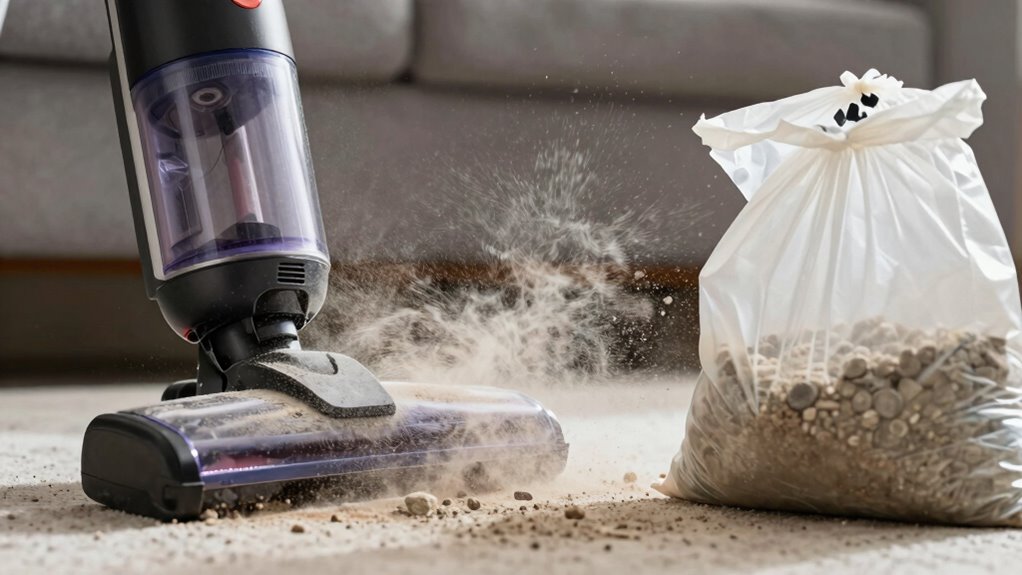
If you’re concerned about airborne dust clouds during disposal, bagged vacuums are the better choice because they contain debris securely, preventing dust from escaping into the air. Bagless models may release allergens when emptied, which can trigger allergies or respiratory issues—especially for sensitive individuals. While bagless vacuums often seem more convenient, their dust cloud risk varies, and proper handling is essential. Want to uncover more about how these differences impact your air quality? Keep exploring to find out more.
Open a free Amazon Business account
Business pricing, bulk buying and tax-exempt orders.
As an affiliate, we earn on qualifying purchases.
Key Takeaways
- Bagged vacuums contain debris securely, significantly reducing dust clouds during disposal compared to bagless models.
- Emptying bagless vacuum can release airborne dust, posing allergy and respiratory risks if not handled carefully.
- HEPA filtration in bagged vacuums minimizes allergen escape during operation and disposal, enhancing indoor air quality.
- Bagless vacuums, even with HEPA filters, may still generate dust clouds during emptying, risking allergen exposure.
- Proper handling and maintenance are essential for both types to prevent dust clouds and protect allergy sufferers.
Are you wondering whether to choose a bagged or bagless vacuum? It’s a common dilemma, and the decision often hinges on more than just convenience or price. One key factor to think about is how each type handles air quality and allergens. Bagged vacuums typically come with HEPA filtration, which traps tiny particles, including pollen, pet dander, and dust mites. If allergy concerns are a priority for you, a bagged vacuum with HEPA filters can notably improve indoor air quality. These filters are designed to prevent harmful allergens from escaping back into the room, making them a smart choice for allergy sufferers or anyone sensitive to dust.
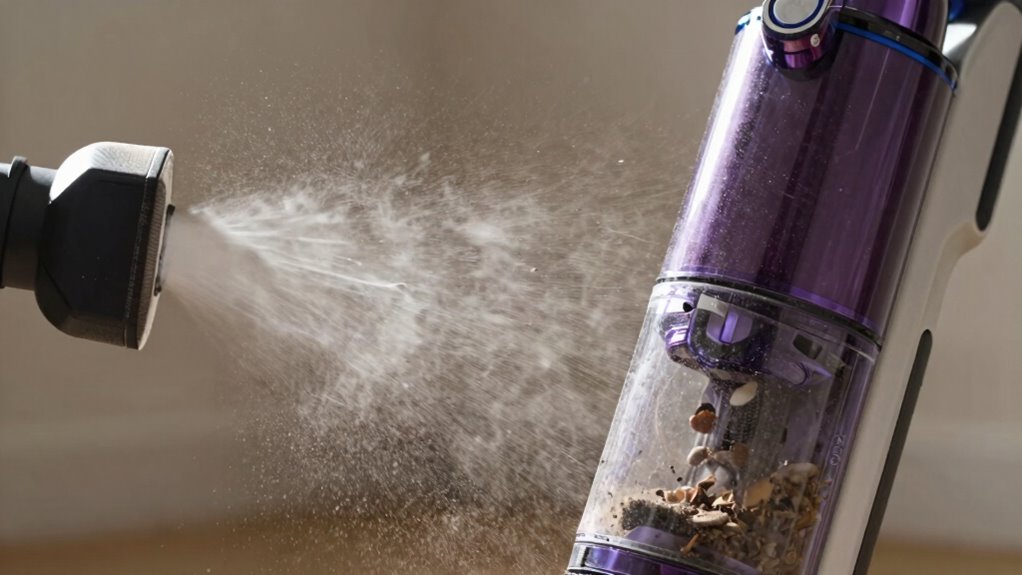
On the other hand, bagless vacuums might seem more appealing because of their ease of use and cost savings. You can see the dirt and debris in the clear canister, which means you know exactly when it’s full and needs to be emptied. But here’s the catch: when you empty a bagless vacuum, dust and allergens can become airborne again, especially if you don’t do it carefully. This dust cloud can trigger allergy symptoms or respiratory issues, making it a less ideal option if you’re concerned about airborne allergens. Some models do feature HEPA filtration in the cyclone or filter system, but the risk of dust cloud during emptying remains a concern.
If allergy concerns are high on your list, you’ll want to think about not just the presence of HEPA filters but also how well the vacuum traps allergens during operation. Bagged vacuums with HEPA filtration are less likely to release dust back into the air because the bag contains the debris securely. Plus, replacing the bag regularly guarantees maximum filtration and less dust escape. Additionally, proper maintenance and filter replacement are crucial for ensuring optimal performance and allergen containment. Meanwhile, some high-quality bagless models also include HEPA filters, but you should check whether the design minimizes dust during emptying or if you need to take extra precautions.
Ultimately, if you’re allergic or sensitive to dust, a bagged vacuum with HEPA filtration often provides a cleaner, safer environment. It minimizes dust cloud issues and ensures trapped allergens stay contained. While bagless options can be convenient and economical, they may compromise your indoor air quality if not managed with care. So, weigh your allergy concerns against convenience and maintenance needs before making your choice, keeping in mind that the right filtration system can make all the difference in your home’s air quality.
HEPA filter bagged vacuum cleaner
As an affiliate, we earn on qualifying purchases.
As an affiliate, we earn on qualifying purchases.
Frequently Asked Questions
Are Bagged Vacuums Better for Allergy Sufferers?
Yes, bagged vacuums are better for allergy sufferers because they trap airborne allergens more effectively. The sealed bags prevent dust from escaping back into the air, improving filtration efficiency. When you vacuum with a bagged model, you’re less likely to stir up allergens, making your indoor environment safer. This containment helps reduce allergy flare-ups, providing cleaner air and a more comfortable home for allergy sufferers.
How Often Should I Replace Vacuum Bags or Filters?
You should replace vacuum bags or filters every 1 to 3 months, depending on usage and bag lifespan. Regular filter replacement helps maintain suction power and prevents dust buildup. Check your vacuum’s manufacturer recommendations for specific intervals. If you notice reduced performance or increased dust emissions, it’s time to change the filter or bag. Keeping up with these replacements guarantees your vacuum effectively traps allergens and keeps your air clean.
Do Bagless Vacuums Lose Suction Over Time?
Yes, bagless vacuums can lose suction over time. This often happens because of filter maintenance issues or dust buildup in the cyclone chamber, leading to a suction decline. To keep your vacuum performing well, regularly clean or replace the filters and empty the dust canister. Proper maintenance guarantees consistent suction and prolongs the life of your vacuum, preventing that frustrating loss of power.
Which Type Is More Environmentally Friendly?
You’ll find that bagged vacuums are generally more environmentally friendly because they often have better recycling benefits, allowing you to reuse or properly dispose of bags. Bagless models reduce manufacturing impact since you don’t need to produce replacement bags, minimizing waste. Plus, they cut down on packaging and transportation. Overall, choosing a bagless vacuum can be greener, but consider the recycling options for bags or filters in your area.
Can Bagless Vacuums Be More Hygienic Than Bagged Ones?
Yes, bagless vacuums can be more hygienic if you maintain them properly. They offer better dust containment since you can see and empty the canister frequently, reducing dust escape. However, they may require more maintenance costs because you need to clean or replace filters regularly. If you stay on top of maintenance, a bagless vacuum can keep your space cleaner and healthier.
Conclusion
As you navigate the dust clouds swirling around your choice, remember that the real difference lies in what lurks unseen. A bagged vacuum traps the debris like a sealed treasure chest, keeping the dust behind a sturdy door. Meanwhile, a bagless pulls the mess into clear view, but beware—the fine particles dance in the air, whispering their way into your lungs. Choose wisely, and keep your home’s air fresh and inviting, free from hidden dust storms.
Flea & tick season Picks
flea and tick prevention
As an affiliate, we earn on qualifying purchases.