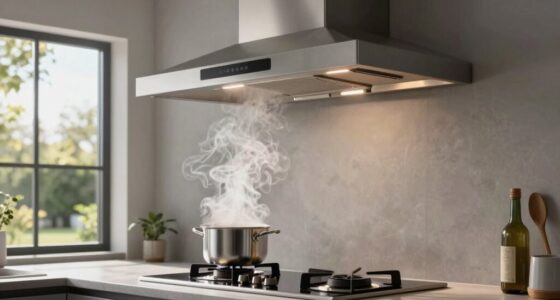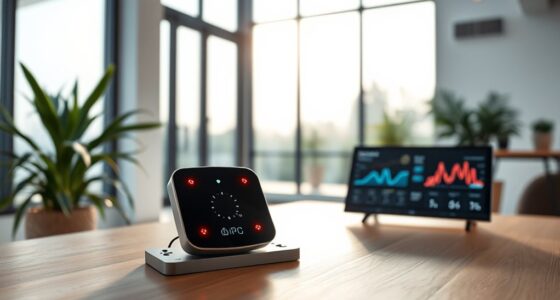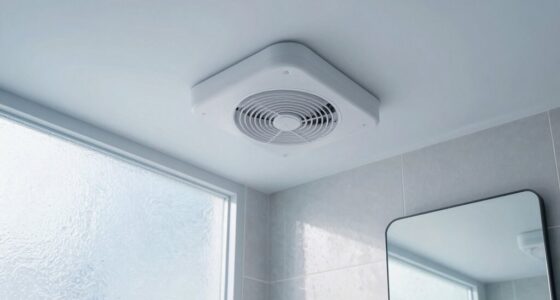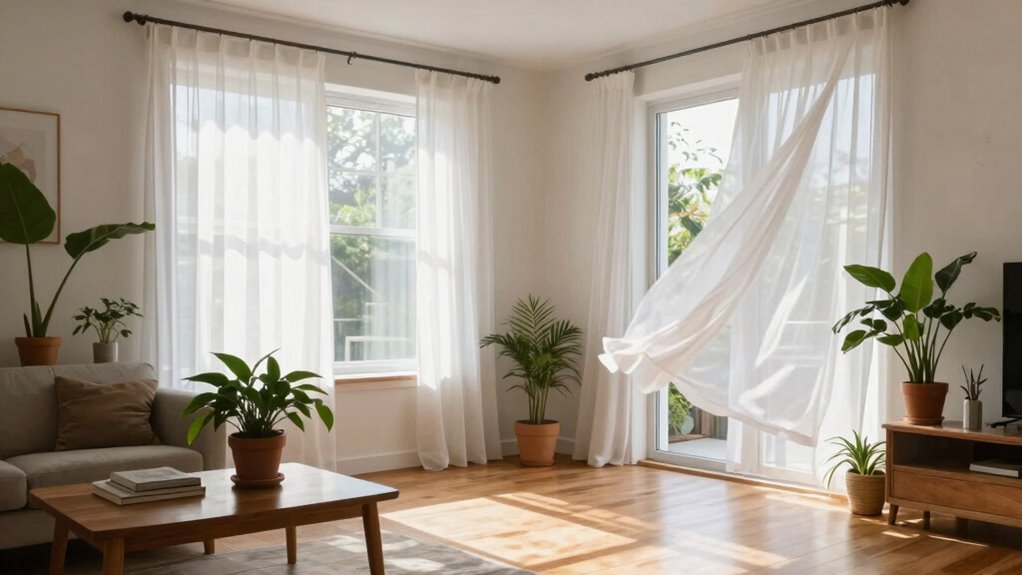

Better airflow in your home helps remove dust, allergens, and unpleasant odors, making the space feel fresher and cleaner. It prevents the air from feeling stagnant or stuffy and fosters a healthier environment. Using fans, opening windows, adding indoor plants, and using air purifiers all work together to improve air circulation. When airflow is optimized, your home naturally smells cleaner and feels more inviting. Stick around to discover even more ways to boost your home’s freshness.

Get decor and gifts delivered free — and shop member deals
- Fast, free delivery on millions of items
- Access to Prime Big Deal Days deals on October 6–7
- Prime Video, Amazon Music and more included
Key Takeaways
- Improved airflow efficiently removes dust, allergens, and odors, preventing a stagnant and unclean feeling.
- Better circulation dilutes indoor pollutants, enhancing overall air quality and freshness.
- Increased airflow helps prevent mold growth and dampness, maintaining a cleaner environment.
- Proper ventilation reduces surface dust settling, keeping surfaces cleaner longer.
- Combining airflow with plants and purifiers creates a cycle of continuous air renewal and purification.
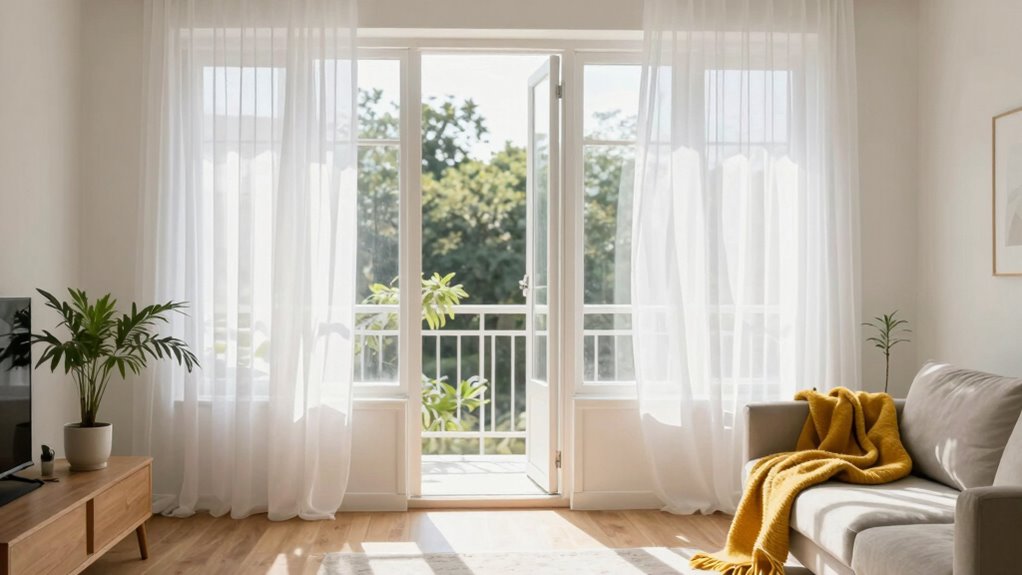
Good airflow isn’t just about comfort—it directly impacts how clean your home feels. When the air circulates properly, it helps remove dust, allergens, and odors that can accumulate and make your space feel stuffy or unclean. You might notice that rooms with better airflow seem fresher, even if you haven’t cleaned recently. That’s because fresh air constantly dilutes and pushes out pollutants, maintaining a healthier environment.
Good airflow keeps your home feeling fresh and healthy by removing dust, allergens, and odors.
Indoor plants are a simple yet effective way to enhance airflow naturally. They not only add aesthetic appeal but also improve air quality by absorbing toxins and releasing oxygen. Placing a few indoor plants near vents or windows encourages air movement around them, helping to distribute cleaner air throughout your home. Plus, their presence can boost humidity levels, reducing the likelihood of dust particles settling and circulating in the air. When combined with proper ventilation, indoor plants contribute to a more balanced and refreshing atmosphere.
Modern air purifier technology plays a crucial role in making your home feel cleaner. These devices are designed to trap airborne pollutants, including dust, pet dander, mold spores, and bacteria. High-efficiency particulate air (HEPA) filters, for example, can capture particles as small as 0.3 microns, significantly reducing allergens that cause allergies or respiratory issues. Many air purifiers also feature activated carbon filters that absorb odors and chemical fumes, further enhancing air freshness. When you run an air purifier regularly, you’re actively pulling contaminants out of the air, which complements natural airflow and prevents pollutants from settling into surfaces. Proper air circulation is essential for maintaining a consistently fresh environment.
Combining good airflow strategies with indoor plants and advanced air purifier technology creates a cycle of ongoing air renewal. Ventilation fans, open windows, and strategically placed fans promote movement, preventing stagnant pockets of air where pollutants can accumulate. Indoor plants help to naturally filter and humidify the environment, and air purifiers actively clean the air on a microscopic level. Additionally, understanding the importance of indoor air quality can help you make more informed decisions about your home’s ventilation practices. The presence of air quality improvement solutions enhances the overall effectiveness of these methods. Creating proper ventilation and maintaining a clean environment are essential for keeping indoor air healthy. The result is a home that feels genuinely cleaner, healthier, and more inviting. You’ll notice fewer musty odors, less dust settling on surfaces, and a more vibrant, fresh ambiance overall.
Ultimately, better airflow isn’t just about making your home comfortable; it’s about actively maintaining a cleaner, healthier space. By integrating indoor plants and modern air purifier technology into your daily routine, you create a continuous cycle of fresh, purified air. This proactive approach not only improves your indoor environment but also boosts your wellbeing, making your home a true sanctuary of cleanliness and comfort.
As an affiliate, we earn on qualifying purchases.
Frequently Asked Questions
How Does Airflow Affect Indoor Humidity Levels?
Airflow directly impacts indoor humidity levels by promoting air circulation, which helps distribute moisture evenly throughout your home. When you improve airflow, excess humidity can escape more easily, preventing dampness and mold growth. Good airflow also aids in humidity control, maintaining a comfortable, balanced environment. By keeping air moving, you reduce stuffiness and moisture buildup, making your home feel fresher, cleaner, and more comfortable overall.
Can Improved Airflow Reduce Indoor Allergens Effectively?
Yes, improved airflow can effectively reduce indoor allergens. By increasing air circulation, you enhance air purification, helping to remove dust, pet dander, and pollen more efficiently. Proper airflow also supports allergen control by preventing stagnant air where allergens can settle. Regularly ventilating your home with clean, fresh air minimizes allergen buildup, creating a healthier environment. This simple step makes a noticeable difference in managing indoor allergy symptoms.
What Are the Best Ventilation Systems for Homes?
You should consider installing energy recovery ventilators (ERVs) or heat recovery ventilators (HRVs), which improve airflow while conserving energy. These systems facilitate continuous air exchange, removing indoor pollutants and bringing in fresh air. Pairing an air purifier with these systems boosts indoor air quality further, especially in allergy-prone homes. Studies show that proper ventilation can reduce indoor pollutants by up to 60%, making your home feel cleaner and healthier.
How Often Should I Clean Air Vents and Filters?
You should clean your air vents and filters every 1 to 3 months, depending on usage and air quality. Regular air filter maintenance guarantees ideal airflow and indoor air quality. Stick to ventilation schedules that include checking and replacing filters more frequently if you have pets, allergies, or high dust levels. This routine keeps your home feeling fresh and helps your HVAC system run efficiently.
Does Airflow Impact Energy Efficiency in Homes?
Yes, airflow greatly impacts your home’s energy efficiency. When airflow is optimized, your HVAC system doesn’t have to work as hard to maintain good air quality and thermal comfort. Proper airflow ensures even temperature distribution and reduces strain on your system, lowering energy consumption. By improving airflow, you create a more comfortable living environment while saving money on energy bills. Good airflow is key to a more efficient, comfortable home.
Conclusion
Improving airflow isn’t just about comfort—it can substantially boost your home’s cleanliness. Better circulation helps clear out dust, mold, and indoor pollutants, making your space feel fresher and healthier. Did you know that indoor air can be up to five times more polluted than outdoor air? By simply enhancing your airflow, you’re not only creating a cleaner environment but also supporting your well-being. So, boost that ventilation and enjoy a fresher, more inviting home every day.
Evergreen bestsellers Picks
bestsellers
As an affiliate, we earn on qualifying purchases.