
TL;DR
Listen free for 30 days with Audible
Thousands of audiobooks and originals — cancel anytime.
Start your free trialAs an affiliate, we earn on qualifying purchases.
Many people unknowingly cause their washing machines to develop unpleasant odors through a simple laundry habit. The fix is easy but often overlooked, leading to widespread frustration and embarrassment. This trend is gaining attention online, though the full scope of the issue remains unconfirmed.
A common laundry habit is causing many washing machines to develop persistent, unpleasant odors, according to recent social media discussions. The issue is linked to a simple, often overlooked practice, and the fix is surprisingly straightforward. This trend has gained traction online, highlighting a widespread but under-recognized problem that affects many households.
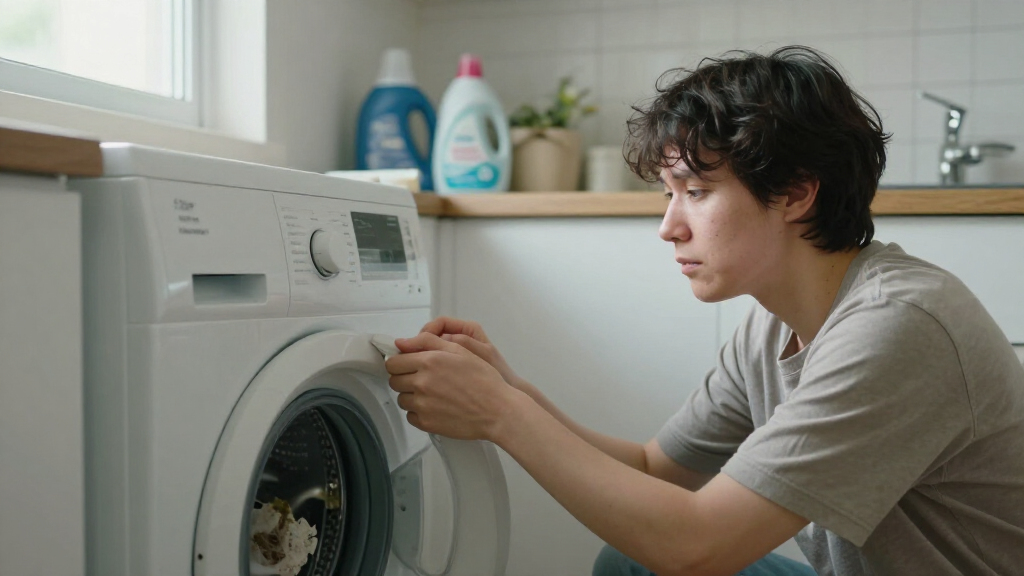
Multiple users on social media and home improvement forums have reported that their washing machines emit foul smells, which they traced back to their own laundry routines. The primary cause appears to be leaving wet or damp laundry inside the washer for extended periods, especially without running a cleaning cycle afterward. This habit allows mold, mildew, and bacteria to develop, resulting in the characteristic odor.
Many individuals initially blamed the machine’s age, detergent buildup, or plumbing issues. However, after adjusting their laundry habits—such as removing wet clothes promptly, running regular cleaning cycles, and airing out the drum—the odors significantly diminished or disappeared entirely. Experts confirm that moisture trapped inside the washer creates an environment conducive to microbial growth, which then causes the smell.
This trend has been fueled by numerous anecdotal reports, with some users expressing embarrassment about the smell and their oversight. The simplicity of the fix—drying clothes promptly and maintaining the machine—has surprised many, highlighting how small habits can have outsized impacts on household appliances.
Why This Laundry Mistake Matters for Household Hygiene
This issue is significant because it demonstrates how everyday habits can inadvertently cause household appliances to develop problems, in this case, unpleasant odors. Such odors can be embarrassing, reduce appliance lifespan, and even pose health risks if mold and bacteria proliferate. Recognizing and correcting this simple habit can prevent recurring issues, improve home hygiene, and extend the life of washing machines.
The trend also underscores the importance of proper laundry maintenance and awareness, which many users may overlook. As online discussions grow, more households could benefit from understanding the root cause of washer odors and how to prevent them with minimal effort.
As an affiliate, we earn on qualifying purchases.
Background on Washer Odors and Common Causes
Washer odors are a common complaint, often attributed to mold, mildew, or detergent buildup. Traditionally, causes have included infrequent cleaning cycles, using too much or too little detergent, or plumbing issues. Experts recommend regular cleaning cycles, leaving the door open after use, and using cleaning products designed for washers to prevent odors.
However, recent social media trends suggest that a more basic issue—leaving damp laundry inside the machine for too long—is a primary contributor. This insight has gained traction as more users share their experiences and solutions online, though comprehensive scientific studies are still pending.
While the problem is not new, the focus on simple user habits as a root cause is a recent development, driven by anecdotal reports rather than formal research. The trend’s rise appears to be a response to widespread frustration with persistent washer smells, often dismissed as inevitable or hardware-related.
Extent of the Problem and Scientific Validation
While anecdotal reports and online discussions suggest that leaving damp laundry inside the washer is a common cause of odors, comprehensive scientific studies confirming this link are not yet available. The full scope of how widespread this issue is remains unclear, and some experts suggest other factors may also contribute.
It is also uncertain whether this habit is the primary cause across different washer types and environments, or if other underlying issues like plumbing or detergent use play a significant role in some cases. Further research is needed to establish definitive causal relationships and best practices.
Recommendations for Preventing Washer Odors
Households experiencing washer odors are advised to check their laundry routines, particularly ensuring clothes are dried promptly after washing. Regularly running cleaning cycles and leaving the door open after use can also help prevent mold growth. Manufacturers and appliance experts may soon emphasize these simple maintenance practices more prominently.
As awareness grows, more users are expected to adopt these habits, potentially reducing complaints and extending the lifespan of washing machines. Industry updates or new product features designed to address this issue may also emerge in the coming months.
Key Questions
Can leaving wet laundry inside the washer cause mold?
Yes, leaving damp laundry inside the washer creates a moist environment that promotes mold, mildew, and bacterial growth, leading to unpleasant odors and potential health risks.
What is the easiest way to prevent washer odors?
The simplest method is to remove wet laundry promptly after washing, run regular cleaning cycles, and leave the washing machine door open to air out the drum.
Are there specific cleaning products recommended for washers?
Yes, there are specialized cleaning tablets or liquids designed for washing machines that can help remove buildup and prevent odors when used periodically.
Does this issue affect all types of washing machines?
While most modern front-load and top-load washers can experience this problem, the extent may vary depending on usage habits, machine design, and maintenance routines. Scientific validation is still ongoing.
Should I be worried about health risks from washer odors?
Persistent mold and bacteria can pose health risks, especially for individuals with allergies or respiratory issues. Addressing the cause promptly is recommended for household hygiene.
Source: rss
NFL season / tailgating Picks
team gear
As an affiliate, we earn on qualifying purchases.