Steam cleaning can effectively kill many bacteria and viruses when used at the right temperature, but it isn’t a guaranteed sterilizer. It’s great for reducing germs and grime, yet some pathogens are resistant, and deep dirt might need extra scrubbing. Be careful with surfaces—some materials can be damaged by high heat. Also, avoid mixing chemicals with steam to prevent residues. To discover how to use steam safely and effectively, keep exploring the facts behind this popular cleaning method.
Key Takeaways
- Steam cleaning can kill many bacteria and viruses but is not a guaranteed sterilizer for all pathogens.
- It is effective for surface sanitation but may not remove deep-seated dirt or grime without physical scrubbing.
- Not all surfaces are suitable for steam; high temperatures can damage materials like unsealed wood or soft plastics.
- Using chemicals with steam can leave residues, potentially causing allergies or skin irritation if not rinsed properly.
- Advances in cleaning technology are improving sanitation methods, addressing some limitations of traditional steam cleaning.
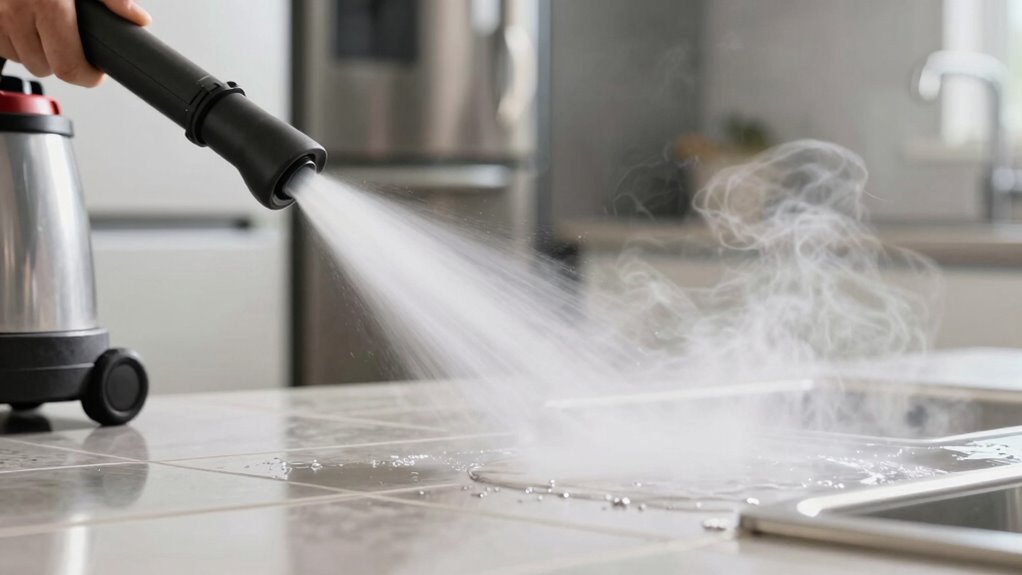
Many people believe that steam cleaning is a miracle solution for removing dirt and germs, but recent research has busted this myth. While steam cleaning is effective for many cleaning tasks, it’s not a one-size-fits-all remedy. One common misconception is that steam completely sterilizes surfaces without any drawbacks. However, it’s important to understand that steam cleaning can leave behind chemical residue if you use cleaning agents alongside the steam, which may require rinsing or additional cleaning to guarantee safety. Furthermore, not all surfaces are compatible with high-temperature steam. Some materials, like certain plastics or delicate fabrics, can warp, discolor, or degrade when exposed to intense heat and moisture. This means that if you’re using a steam cleaner without verifying surface compatibility, you risk damaging your belongings or reducing their lifespan.
When you’re considering steam cleaning, it’s essential to check whether your surfaces are suitable for this method. For example, tile, ceramic, and sealed hardwood floors generally tolerate steam well, but unsealed wood, soft plastics, or painted surfaces might not. Using steam on incompatible surfaces can result in peeling, warping, or other damage. Additionally, if you’re using cleaning chemicals with your steam cleaner, be aware that some residues might linger after the process. These residues could potentially cause allergic reactions or skin irritation, especially if they’re not properly rinsed away. It’s advisable to use plain water or certified cleaning agents compatible with your surfaces and the steam cleaner to minimize chemical residue issues.
Another factor to consider is the effectiveness of steam cleaning in sanitizing. Steam can kill many bacteria and viruses when used at the right temperature, but it’s not a guaranteed sterilizer. Some pathogens are more resistant and may require longer exposure or higher temperatures than what your standard steam cleaner provides. Plus, if dirt and grime are deeply embedded, steam alone might not be enough to completely remove them without physical scrubbing or pre-treatment. This highlights the importance of understanding what steam can and cannot do, rather than relying solely on it for deep cleaning. Additionally, advancements in European cloud innovation are contributing to developing smarter cleaning technologies that improve sanitation efficiency while reducing environmental impact.

Shark Steam Mop with 2 Machine Washable Dirt Grip Pads, Removable Water Tank, Lightweight, Steam Cleaner for sealed Hard Floors, Marble, Stone, Hardwood, Tile, Laminate, White/Seafoam, S1000
- Chemical-Free Sanitization: Removes grease with just water
- Removable Water Tank: Easy to fill and refill
- Lightweight Design: Under 5 lbs for easy handling
As an affiliate, we earn on qualifying purchases.
As an affiliate, we earn on qualifying purchases.
Frequently Asked Questions
Can Steam Cleaning Eliminate All Types of Bacteria?
Steam cleaning can’t eliminate all bacteria types, but it does improve cleaning efficacy against many. It effectively kills common bacteria like E. coli and Salmonella on surfaces, but some bacteria, spores, or viruses may require stronger disinfectants. You should not rely solely on steam for complete sanitation, especially in high-risk areas. Combining steam cleaning with other cleaning methods ensures you’re better protected against diverse bacteria types.
Is Steam Cleaning Effective Against Viruses Like COVID-19?
Imagine a powerful mist battling a tiny invader—that’s steam cleaning against COVID-19. While steam can reduce viruses on surfaces, its disinfecting effectiveness depends on temperature and contact time. It’s most compatible with heat-resistant surfaces, but you shouldn’t rely solely on steam for complete virus elimination. For critical areas, combine steam with disinfectants to ensure thorough sanitation, especially where virus transmission risks are high.
How Long Does Steam Need to Be Applied to Sanitize Surfaces?
To effectively sanitize surfaces with steam, you should aim for a steam duration of at least 20 seconds, ensuring sufficient surface contact. Keep the steam moving steadily across the area, and make sure the surface reaches a temperature of around 212°F (100°C) for ideal results. Longer contact times can improve sanitation, but 20 seconds is generally sufficient to reduce many pathogens, including some viruses and bacteria.
Are There Surfaces That Should Not Be Cleaned With Steam?
You should avoid using steam on delicate surfaces and electronics because the high heat and moisture can cause damage. Surfaces like painted walls, soft fabrics, or anything with intricate finishes may not handle steam well. For electronics, steam can compromise safety and functionality. Always test a small area first and follow manufacturer guidelines to prevent accidental harm, ensuring your cleaning is safe and effective.
Does Steam Cleaning Remove Deep-Seated Mold and Mildew?
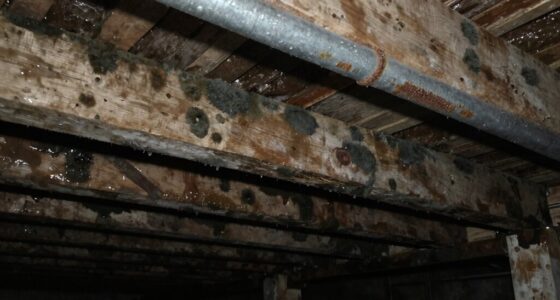
Steam cleaning can help with mold removal and mildew eradication, but it might not fully eliminate deep-seated mold. The high temperature kills surface mold and loosens mildew, making it easier to clean. However, for extensive or stubborn mold, you should consider specialized treatments or professional removal. Always guarantee proper ventilation and safety measures, as steam alone may not suffice for complete mold remediation.
Conclusion
Now that you know what steam can truly do, you’re better equipped to care for your space with confidence. While it’s a gentle helper, it’s not a miracle worker. Embrace its strengths, but remember to rely on other methods for complete peace of mind. By understanding its limits, you can create a cleaner, healthier environment without disappointment. Trust in what steam can offer, and let it quietly support your efforts—your home will thank you.