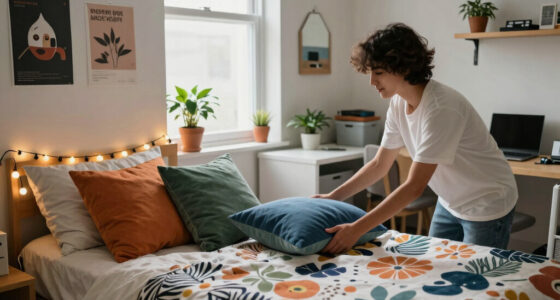
The best way to add support without making your home feel institutional is to incorporate stylish, discreet features that blend with your decor. Opt for minimalist grab bars, wall-mounted rails that double as art, or furniture with built-in support. Use custom covers or decorative sleeves to hide functional hardware. Selecting fixtures that match your style and consulting professionals for guidance help keep safety features subtle yet effective. If you want to learn more about seamless integration, keep exploring these ideas.

Get decor and gifts delivered free — and shop member deals
- Fast, free delivery on millions of items
- Access to Prime Big Deal Days deals on October 6–7
- Prime Video, Amazon Music and more included
Key Takeaways
- Integrate support features seamlessly with decor using discreet, personalized fixtures that blend naturally into the home’s style.
- Choose sleek, minimalist support hardware in colors and finishes that complement existing decor for a modern, unobtrusive look.
- Incorporate support elements into furniture or architectural details to enhance safety without sacrificing aesthetics.
- Consult professionals to select materials and placements that prioritize both safety and visual harmony.
- Use decorative covers or stylish wall-mounted rails to hide utilitarian hardware, maintaining warmth and personality in the space.
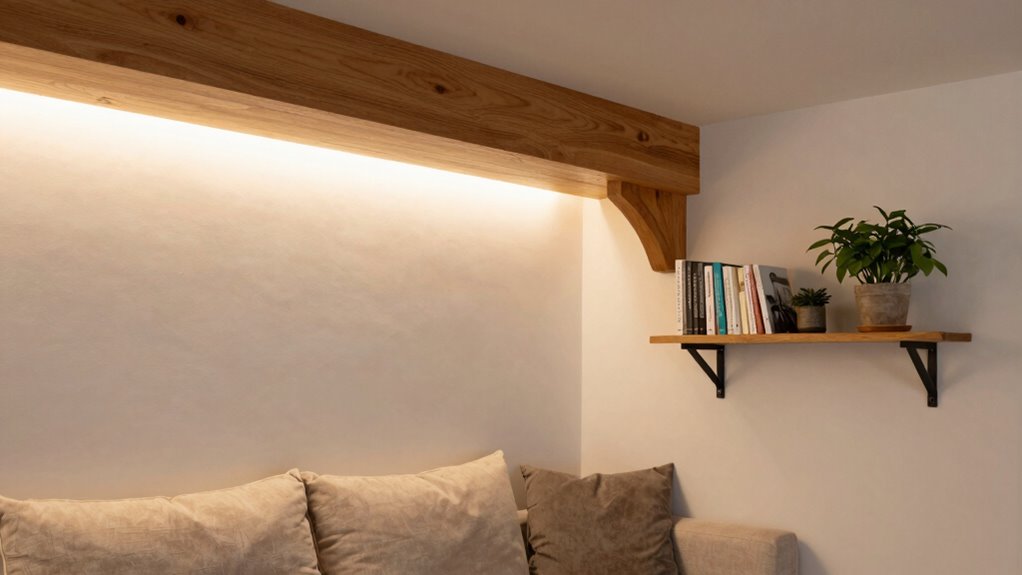
Adding support to your home doesn’t have to mean sacrificing comfort or style. In fact, the key lies in seamlessly integrating support features with your existing decor. Instead of opting for bulky, institutional-looking aids, you can focus on personalized decor that complements your home’s aesthetic. This approach guarantees that support systems blend in naturally, making your space feel warm and inviting rather than clinical or sterile. Discreet modifications, like installing grab bars behind decorative panels or choosing minimalist handrails, allow you to maintain the visual flow of your home while enhancing safety and accessibility.
You might start by selecting support fixtures that match your color scheme or style. For example, a sleek, matte black grab bar can serve as both a functional element and a modern design accent. Custom covers or decorative sleeves can hide utilitarian hardware, transforming an ordinary safety feature into a subtle part of your decor. When you prioritize personalized decor, you make these modifications feel intentional and aligned with your taste, rather than an afterthought. It’s about creating a space where support features are almost invisible, yet readily available when needed.
Discreet modifications also extend to furniture choices and layout adjustments. Consider replacing bulky furniture with streamlined pieces that incorporate support features, like sofas with built-in arm supports or beds with integrated safety rails. These elements provide necessary support without disrupting the room’s aesthetic. Additionally, you can incorporate support elements into existing architectural features—such as framing doorways with decorative molding that conceals support bars or installing stylish wall-mounted rails that double as art displays. These subtle touches help you retain the home’s character while enhancing its functionality. Incorporating design integration ensures that safety features remain unobtrusive yet effective.
Furthermore, understanding how to discreetly incorporate safety features into your home can significantly improve both its safety and style. Consulting with a professional who understands home modification can help you identify the best solutions that balance safety and design. They can help you select materials, colors, and placement that feel natural and intentional, rather than intrusive or out of place. Incorporating personalized decor into your modifications allows you to tailor safety features to your unique aesthetic preferences, making them feel like a natural extension of your home. This collaboration ensures that the modifications serve their purpose without compromising style.
Ultimately, adding support doesn’t mean your home has to feel less like your sanctuary. With a focus on personalized decor and discreet modifications, you can create a space that’s both supportive and stylish. You retain the comfort and beauty of your home while making it safer and more accessible—without sacrificing the warmth and personality that make it uniquely yours. To achieve this, understanding how discreet modifications can enhance both safety and aesthetic appeal is essential.
minimalist grab bars for bathroom
As an affiliate, we earn on qualifying purchases.
As an affiliate, we earn on qualifying purchases.
Frequently Asked Questions
How Do I Choose the Right Support Options for My Home?
To choose the right support options, consider your home’s design considerations and your personal style. Look at material options like wood, metal, or composite that blend seamlessly with your decor. Think about functionality and comfort, ensuring supports don’t feel bulky or institutional. Test different options for stability and aesthetics, and consult professionals if needed. Prioritize solutions that are both supportive and visually appealing, so your home feels warm and inviting.
Are There Budget-Friendly Ways to Add Support Discreetly?
You can support your home on a budget by incorporating decorative accents that blend seamlessly with your color schemes. Use stylish furniture, rugs, or wall art to hide support structures, making them less noticeable. Installing discreet grab bars in matching hues or sleek designs adds safety without sacrificing aesthetics. Think of these touches as the cherry on top—support that’s both functional and visually appealing, all without breaking the bank.
What Are the Safety Considerations for Installing Support Features?
When installing support features, prioritize safety to guarantee emergency preparedness and elder safety. Check that grab bars and handrails are securely anchored into wall studs, and use non-slip mats or flooring to prevent falls. Keep pathways clear and well-lit, and ensure emergency exits are accessible. Regularly inspect support features for stability, and consider consulting professionals for proper installation. These steps help protect your loved ones without compromising home aesthetics.
Can Support Modifications Be Removed or Adjusted Later?
Yes, support modifications like removable solutions and adjustable supports can often be taken away or adjusted later. Many options are designed for flexibility, allowing you to tailor or reverse the changes as your needs evolve. You might find that adjustable supports are especially helpful, as they let you modify height or stability without removing the entire setup. Always check the manufacturer’s guidelines to ensure safe, easy adjustments or removals.
How Do I Ensure Support Features Blend With My Home Decor?
To guarantee support features blend with your home decor, focus on decor integration and aesthetic harmony. Choose support options that match your color scheme, materials, and style, such as sleek, minimalist designs or custom covers. Position them thoughtfully so they don’t disrupt the flow. You can also incorporate decorative elements around the supports, making them feel like a natural part of your space rather than an afterthought.
Conclusion
Adding support to your home doesn’t have to make it feel clinical or impersonal. By choosing discreet, stylish solutions like under-stair storage or subtle grab bars, you keep your space warm and inviting. Did you know that homes with thoughtful design can boost residents’ well-being by up to 30%? So, blend function with style—your home should feel comforting, not clinical. With a little planning, you can create an accessible space that’s both supportive and welcoming.
Fall Picks
fall essentials
As an affiliate, we earn on qualifying purchases.