
TL;DR

Get decor and gifts delivered free with Prime
- Fast, free delivery on millions of items
- Prime Video, Amazon Music and more included
- Member-only deals all year
Retailers are launching immersive pop-up stores that combine shopping with interactive experiences, aiming to boost engagement and sales. This development marks a shift toward experiential retail, with confirmed examples from major brands. The trend’s impact on consumer behavior and the retail landscape is still unfolding, as more brands explore immersive retail experiences.
Retailers are increasingly deploying immersive pop-up stores that combine interactive technology, entertainment, and shopping to create engaging consumer experiences. These temporary retail spaces aim to boost brand loyalty and sales, marking a significant shift in retail strategies amid changing consumer preferences.
Several major brands, including fashion labels and tech companies, have launched immersive pop-up stores in key urban locations during early 2024. These spaces feature augmented reality (AR), virtual reality (VR), interactive displays, and themed environments designed to captivate visitors. For example, a leading fashion brand opened a pop-up in New York that allows customers to virtually try on outfits and participate in interactive fashion shows, according to company representatives. Retail analysts note that these initiatives are part of a broader trend toward experiential retail, which seeks to differentiate brands in a competitive market.
Industry experts confirm that these pop-ups are temporary but strategically planned to generate buzz and social media exposure. They often include exclusive product launches and events, encouraging visitors to share their experiences online. The use of immersive technology aims to deepen emotional connections with consumers, with some brands reporting increased foot traffic and sales during these campaigns. However, specific sales figures and long-term impacts are still being evaluated by participating companies.
How Immersive Pop-Ups Influence Consumer Engagement
This trend matters because immersive retail experiences can significantly enhance consumer engagement, foster brand loyalty, and differentiate brands in a crowded marketplace. By blending entertainment with shopping, brands are responding to a shift in consumer expectations toward more interactive and memorable experiences. This approach could reshape traditional retail models, especially as digital and physical retail converge. Experts believe that successful immersive pop-ups may influence future store designs and marketing strategies, potentially leading to more permanent experiential spaces.
Products Worth Considering

Bose TV Speaker (2nd Gen) Compact Soundbar with Bluetooth and HDMI Connectivity
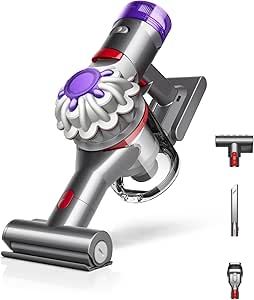
Dyson Car+Boat Cordless Handheld Vacuum

Shark Navigator Robot Vacuum with 30-Day Self-Empty Base, White (AV2110S)
As an affiliate, we earn on qualifying purchases.
Rise of Experiential Retail in a Competitive Market
The concept of immersive retail is not new, but recent technological advancements and changing consumer behaviors have accelerated its adoption. Over the past few years, brands have experimented with pop-up stores to create buzz and test new markets. The integration of AR and VR has become more accessible and cost-effective, enabling brands to craft more engaging environments. In early 2024, several high-profile launches highlight the increasing importance of experiential elements in retail, as traditional brick-and-mortar stores face declining foot traffic and e-commerce growth continues.
Previous examples include flagship stores with interactive art installations or themed environments, but the current wave emphasizes immersive technology to create a multisensory experience. Industry reports indicate that this shift is driven by a desire to connect emotionally with consumers and stand out amid digital saturation.
“The use of AR and VR in temporary stores allows brands to create memorable moments that can translate into long-term loyalty.”
— Michael Lee, CEO of Innovate Retail
Long-Term Impact and Sustainability of Immersive Pop-Ups
It remains unclear how sustainable and cost-effective these immersive pop-ups will be over the long term. While initial results show increased engagement, data on their impact on sustained sales and brand loyalty is limited. Some experts question whether the high investment in technology and design will translate into lasting business benefits or if these are primarily marketing stunts. Additionally, it is not yet confirmed whether brands will adopt these strategies permanently or keep them as short-term campaigns.
Future Developments and Industry Adoption Trends
Expect more brands to experiment with immersive retail experiences throughout 2024, with potential expansions into permanent store formats. Industry analysts predict increased investment in AR and VR technologies within retail spaces, alongside collaborations with entertainment and tech companies. Monitoring consumer responses and sales data from current pop-up campaigns will be crucial to assess their viability and inform future strategies. Additionally, some brands may develop hybrid models combining physical stores with immersive elements for a seamless shopping experience.
Key Questions
What are immersive retail pop-ups?
Immersive retail pop-ups are temporary stores that incorporate interactive technology such as AR and VR, themed environments, and entertainment to create engaging shopping experiences.
Why are brands investing in immersive pop-ups?
Brands aim to boost consumer engagement, differentiate themselves in a competitive market, and generate buzz through memorable, shareable experiences.
Are immersive pop-ups effective for long-term sales?
It is still uncertain; while they increase foot traffic and brand awareness, their long-term sales impact remains to be fully evaluated.
Will immersive retail become a permanent feature?
Some industry experts believe that successful elements may be integrated into permanent stores, but many current initiatives are short-term campaigns for brand building.
What technologies are used in these pop-ups?
Common technologies include augmented reality (AR), virtual reality (VR), interactive displays, and themed digital environments designed to enhance the shopping experience.
Source: rss