TL;DR
Listen free for 30 days with Audible
Thousands of audiobooks and originals — cancel anytime.
Start your free trialAs an affiliate, we earn on qualifying purchases.
Lifestyle-driven design trends are increasingly influencing modern home architecture and interiors. This shift reflects changing consumer preferences toward personalized, functional, and wellness-oriented spaces. While the trend is gaining momentum, specific drivers and future developments remain unconfirmed.
Recent observations indicate that lifestyle-driven design trends are increasingly shaping the architecture and interior design of modern homes. For more context, see The Decade That Defined Modern Home Design. Experts note that this shift reflects a broader change in consumer preferences toward personalized, functional, and wellness-oriented living spaces. This evolution is part of what is discussed in The Decade That Defined Modern Home Design. While specific causes and future implications are still being studied, the trend’s growth is evident in market reports and design discourse.
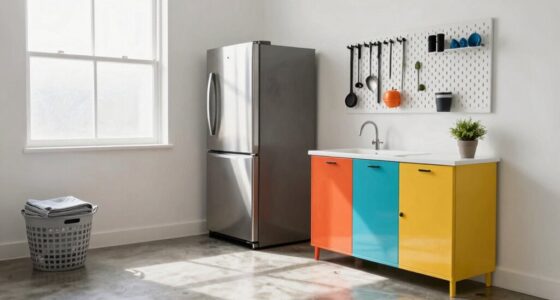
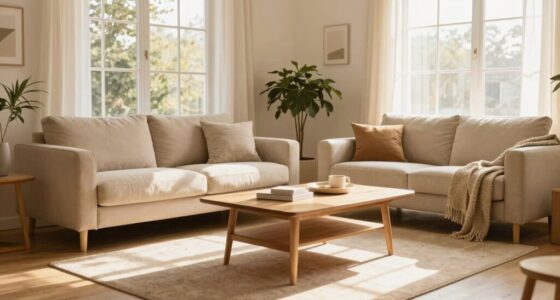
Design professionals and market analysts report a significant rise in interest around lifestyle-driven home design, with search interest and coverage spiking over recent months. To explore related trends, visit The Decade That Defined Modern Home Design. These trends emphasize creating spaces tailored to individual lifestyles, integrating wellness, flexibility, and technology. For example, open-plan layouts that promote social interaction, biophilic elements like indoor gardens, and multifunctional furniture are increasingly popular.
Industry sources suggest that this shift is partly driven by consumers spending more time at home due to remote work trends and heightened health awareness. This has led to increased demand for homes that support mental well-being, physical health, and social connectivity. However, it remains unconfirmed whether these preferences will lead to widespread architectural changes or stay confined to interior decor choices.
Implications for Home Design and Market Dynamics
This emerging focus on lifestyle-oriented design could significantly influence the real estate market, interior design industry, and architectural practices. As consumers prioritize personalization and wellness, demand for adaptable, health-conscious, and aesthetically flexible homes is expected to grow. This trend may also accelerate innovation in sustainable materials and smart home technologies, impacting future construction standards and market offerings.As an affiliate, we earn on qualifying purchases.
Growing Consumer Interest and Market Signals
The trend toward lifestyle-driven home design is supported by increasing consumer interest in wellness, personalization, and functional spaces. Market research indicates a spike in online searches related to wellness-focused interiors, flexible layouts, and eco-friendly materials. Historically, home design has evolved in response to technological advances and cultural shifts, and current observations suggest that lifestyle preferences are now a primary driver.
While experts acknowledge the trend’s rising visibility, it is still unclear whether this will lead to a fundamental overhaul of architectural standards or remain a niche within interior decorating. The influence of broader economic and social factors, such as remote work and health consciousness, continues to shape this evolving landscape.
Unconfirmed Drivers and Future Impact of the Trend
It is not yet confirmed whether the current interest in lifestyle-driven design will lead to widespread architectural change or remain primarily within interior decor. The long-term sustainability and influence of these preferences on the housing market are still under study, with some experts suggesting the trend may be temporary or heavily dependent on broader social factors.Monitoring Consumer Preferences and Industry Adoption
Researchers and industry stakeholders will continue to observe how consumer preferences evolve and whether they translate into structural changes in home architecture. Future developments may include increased integration of health-focused features, smart technology, and sustainable materials. Market surveys, sales data, and design innovations over the coming year will provide clearer insights into the trajectory of this trend.
Key Questions
What exactly are lifestyle-driven design trends?
They are design approaches that prioritize personal wellness, flexibility, sustainability, and functionality, reflecting consumers’ desire for homes that support their lifestyle and health goals.
Are these trends already influencing new home construction?
While some elements are appearing in new builds, such as flexible spaces and wellness features, it is still uncertain whether these will become standard in the broader housing market.
What factors are driving this shift in home design?
Key drivers include increased remote work, heightened health awareness, and a desire for personalized living environments. However, definitive causation is still under investigation.
Will lifestyle-driven design impact property values?
Potentially, as homes that align with wellness and personalization trends may attract buyers seeking modern, adaptable spaces. But this impact remains to be fully validated by market data.
How might this trend influence future architecture standards?
If sustained, it could lead to new building codes emphasizing health, sustainability, and flexibility, though formal standards are yet to be established.
Source: rss
NFL season / tailgating Picks
team gear
As an affiliate, we earn on qualifying purchases.