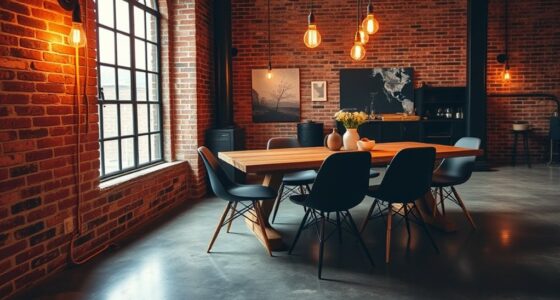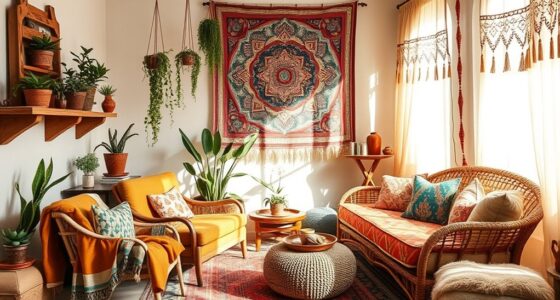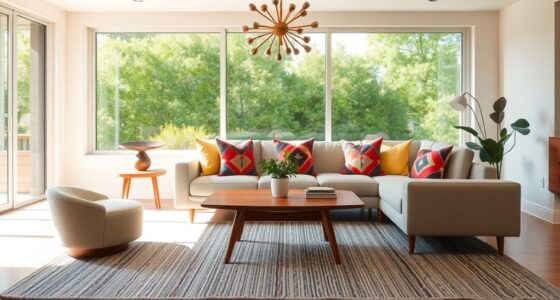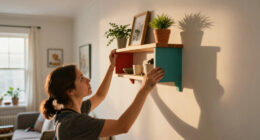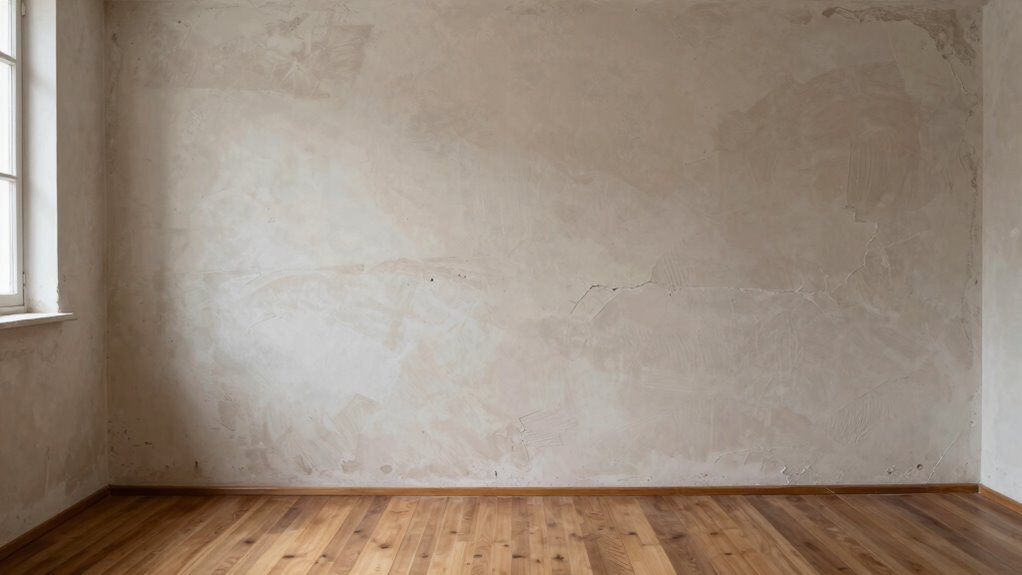

You might notice that flat, uniform rooms feel unfinished because they lack texture, which adds visual depth and tactile richness. Incorporating varied textures like soft fabrics, rough wood, or smooth surfaces creates contrast that engages your senses and makes the space more inviting. Without these elements, your room can seem sterile or dull. By understanding how texture influences mood and depth, you’ll discover ways to craft rooms that feel complete and vibrant—just keep exploring to learn more.

Get decor and gifts delivered free with Prime
- Fast, free delivery on millions of items
- Prime Video, Amazon Music and more included
- Member-only deals all year
Key Takeaways
- Flat rooms lack tactile and visual contrast, making them appear dull and incomplete.
- Without varied textures, spaces feel sterile and fail to create a sense of warmth or interest.
- Texture adds depth and layers that draw the eye and enhance visual hierarchy.
- The absence of tactile diversity results in environments that seem unfinished or uninviting.
- Incorporating different textures balances the space, making it feel complete and thoughtfully designed.

Texture often goes unnoticed, yet it wields a subtle but powerful influence over how we perceive and experience the world. When you walk into a room, the textures around you can evoke feelings of warmth, comfort, or even discomfort, often without you realizing it. One key aspect of texture’s quiet power is tactile contrast. Different textures—smooth, rough, soft, hard—interact in ways that create a layered, engaging environment. When you incorporate a variety of textures, you add complexity to a space, making it more inviting and lively. Conversely, a room that lacks this contrast can feel flat and uninspired. Without tactile variation, surfaces blend together, stripping the space of depth and character. You might notice that flat walls or floors, no matter how well-designed, can seem unfinished or sterile without the interplay of textures. The balance of textures can also influence the overall mood and atmosphere of a room, making it feel more dynamic or serene depending on how they are combined. Visual depth is another essential element influenced by texture. When you use textured materials thoughtfully, you build layers that draw the eye inward, giving a sense of richness and dimension to the room. For example, a wall with textured wallpaper or a rough-hewn wooden panel can create a visual hierarchy that guides your gaze and makes the space feel more dynamic. Without these elements, a room may look overly uniform or dull, as if it’s missing an integral part of its story. Texture acts like a visual cue, adding depth and complexity that prevent the space from feeling flat or one-dimensional. You might find that flat, monochrome surfaces, while sleek, often lack the visual interest that textured finishes provide, making a room seem unfinished or incomplete. Recognizing the importance of visual cues in interior design can help you craft spaces that feel more complete and engaging. When designing or decorating, the significance of texture becomes even clearer. You’re more likely to feel comfortable in a room where the textures complement each other, creating visual depth and tactile contrast. Think about how a plush rug, a rough brick wall, and smooth glass surfaces can all work together to balance each other out. This variation makes the space more engaging and layered. Without it, the room can appear stark, uninviting, or simply not fully realized. Incorporating texture diversity can also help to reflect personal style, making a space uniquely yours. Texture’s quiet power lies in its ability to subtly influence perception—adding richness, depth, and a sense of completeness that flat surfaces can’t achieve on their own. Ignoring this aspect of design often results in spaces that seem unfinished, lacking the visual and tactile cues that make a room truly memorable. By paying attention to tactile contrast, you can elevate the overall harmony and appeal of a space, making it feel thoughtfully designed and complete.
As an affiliate, we earn on qualifying purchases.
Frequently Asked Questions
How Can Texture Be Used to Create Visual Interest in a Room?
You can create visual interest by adding layered fabrics like throw pillows, rugs, and curtains, which add depth and coziness. Incorporate textured walls with materials like shiplap, wallpaper, or wall hangings to break up flat surfaces. Mixing different textures keeps the space engaging and dynamic, drawing your eye around the room. These elements work together to make your room feel more inviting and thoughtfully designed.
What Are Common Mistakes to Avoid When Adding Texture?
You should avoid overloading your space with layered textiles and mixed materials, as it can create visual chaos. Keep a balance by mixing textures thoughtfully, ensuring they complement rather than clash. Steer clear of uniformity that lacks depth or too many contrasting elements that overwhelm. By thoughtfully integrating layered textiles and mixed materials, you create a rich, inviting atmosphere without making the room feel cluttered or unfinished.
How Does Texture Impact Room Acoustics?
Texture impacts room acoustics by enhancing sound absorption and reducing echo. When you add textured elements like rugs, fabric curtains, or upholstered furniture, you prevent sound waves from bouncing around, which diminishes echo and creates a warmer, more inviting atmosphere. You’ll notice clearer speech and less noise reverberation, making your space more comfortable. Incorporating diverse textures guarantees better sound management, elevating both functionality and aesthetic appeal of your room.
Can Texture Be Used to Make Small Rooms Feel Larger?
Yes, you can use texture to make small rooms feel larger. By incorporating tactile variety with different textures, like textured walls or layered fabrics, and using color contrast, you create visual depth that tricks the eye into perceiving more space. These techniques add dimension and interest, making the room feel less confined. So, experiment with textured materials and contrasting colors to open up your small room visually and tactilely.
What Are Budget-Friendly Ways to Incorporate Texture Into a Space?
Adding texture is like giving your room a cozy sweater. You can use affordable wall treatments like peel-and-stick wallpaper or textured paint to create depth without breaking the bank. DIY textile projects, such as sewing throw pillows or crafting wall hangings, also bring warmth and dimension. These budget-friendly ideas transform flat spaces into inviting, textured retreats, making your room feel finished and full of personality.
Conclusion
Remember, texture is the silent artist that shapes your space’s story. Without it, even the most polished rooms can feel like a blank canvas waiting for life. When you add layers—soft fabrics, rough woods, or glossy finishes—you’re weaving a rich tapestry that invites touch and sparks emotion. Don’t underestimate the quiet power of texture; it’s the secret ingredient that transforms an unfinished room into a warm, inviting home, whispering comfort with every detail.
Fall Picks
fall essentials
As an affiliate, we earn on qualifying purchases.