
To fix squeaky doors and floors quickly, start by applying a lubricant like WD-40 or silicone spray directly to the hinges and moving parts, then open and close the door several times to work it in. For floors, tighten loose boards with nails or screws, or add shims for a tighter fit. Reinforcing structures or adding bridging between joists can also help. If you stay tuned, you’ll discover easy tips to prevent future squeaks and keep your home quiet.

Get decor and gifts delivered free — and shop member deals
- Fast, free delivery on millions of items
- Access to Prime Big Deal Days deals on October 6–7
- Prime Video, Amazon Music and more included
Key Takeaways
- Apply lubricant like WD-40 or silicone spray directly to door hinges and move the door to spread it.
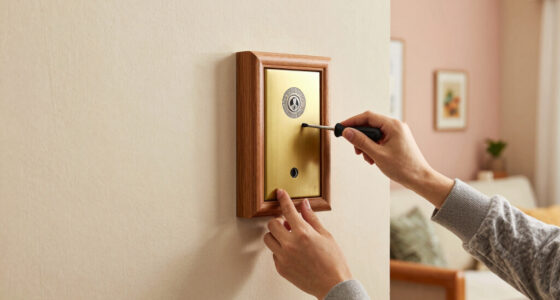
- Tighten loose hinge screws with a screwdriver to realign the door and reduce squeaking.
- Secure loose floorboards using nails, screws, or shims to eliminate floor squeaks.
- Reinforce underlying floor joists with blocking or sistering for a long-term fix.
- Regularly lubricate hinges and inspect structural components to prevent future squeaks.

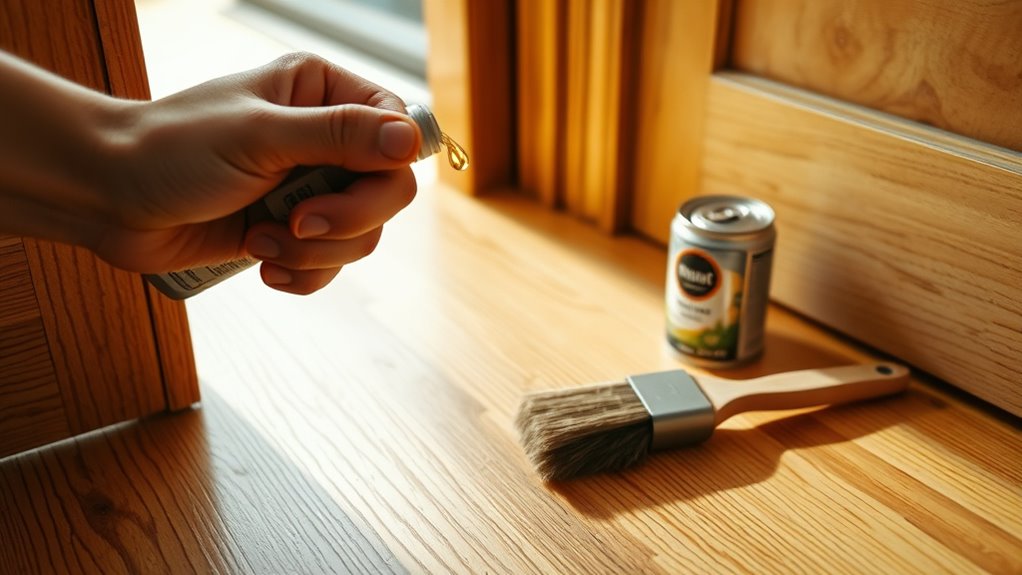
Squeaky doors and floors can quickly become annoying, but fixing them is often straightforward. When your door squeaks every time you open or close it, the problem usually boils down to the hinges. Applying door hinge lubrication is a simple fix that can silence that annoying squeak. Start by opening the door wide and inspecting the hinges. Use a lubricant like WD-40 or a silicone spray, and spray it directly onto the hinge pins. Then, open and close the door several times to work the lubricant in. Wipe away any excess to prevent drips or dirt buildup. This quick step often resolves squeaks caused by friction between the hinge parts. If the squeak persists, consider tightening the hinge screws with a screwdriver, as loose screws can cause misalignment and squeaking.
Floors, especially wooden ones, can also develop squeaks over time, often due to movement between floorboards or underlying floor joists. If your squeak is caused by loose floorboards, you can fix it by securing them with finishing nails or screws. To prevent future squeaks, it’s helpful to reinforce the underlying structure. Floor joist reinforcement is an effective way to stabilize the floor and eliminate creaks at the source. You can do this by installing blocking or sistering new joists alongside existing ones. For minor issues, shim or wedge under loose boards to tighten the fit. If the squeak is due to movement of the joists, adding a metal plate or attaching bridging between joists can reinforce the structure. This helps distribute weight more evenly and reduces shifting that causes squeaking. When working on joist reinforcement, ensure you’re working with a solid understanding of your floor’s framing to avoid unnecessary damage.
Both fixing squeaky doors and reinforcing floors require some basic tools and a bit of patience. Always check for loose or damaged parts first, as tightening or replacing these can often solve the problem without more invasive repairs. Using proper door hinge lubrication regularly can prevent squeaks from developing in the first place. For floors, maintaining the integrity of the joists and adding reinforcement when needed keeps your floors stable and quiet. Remember, addressing these issues promptly not only improves comfort but also preserves your home’s structure. With a little effort, you can eliminate squeaks and enjoy a quieter, more peaceful living environment.
WD-40 multi-use lubricant for hinges
As an affiliate, we earn on qualifying purchases.
As an affiliate, we earn on qualifying purchases.
Frequently Asked Questions
Can I Prevent Squeaks From Appearing Again After Fixing?
Yes, you can prevent squeaks from appearing again by practicing preventative maintenance and applying long-term solutions. Regularly lubricate hinges, door frames, and floorboards with appropriate products like WD-40 or silicone spray. Keep wood surfaces dry to prevent expansion and contraction, which cause squeaks. Occasionally check for loose hardware or shifts in the floor. These habits help maintain smooth, quiet doors and floors for a longer time, reducing future squeaks.
What Tools Are Essential for DIY Squeak Repairs?
You’ll need essential handyman tools and repair supplies like a screwdriver, hammer, and sanding block to fix squeaks effectively. A lubricant spray or powdered graphite helps decrease friction, while shims or nails can secure loose boards or hinges. Having a level and measuring tape ensures precise adjustments. With these tools and supplies, you can easily identify the source of squeaks and make quick, lasting repairs yourself.
How Often Should I Check for Squeaks in My Home?
Think of your home as a symphony, where squeaks are discordant notes that need attention. You should check for squeaks regularly, ideally once a month, to catch issues early. Incorporate squeak detection into your routine home maintenance, paying special attention to high-traffic areas and doors. Quick inspections help prevent bigger problems, saving you time and money in the long run. Stay proactive to keep your home harmonious.
Are There Any Safety Precautions for DIY Squeak Fixes?
When fixing squeaks DIY-style, you should wear safety gear like gloves and eye protection to prevent injury. Be cautious of electrical hazards, especially if you’re working near outlets or wiring. Always turn off power if you’re drilling into walls or floors, and avoid using excessive force. Keep your workspace clear, and follow instructions carefully to stay safe and prevent accidents while fixing those squeaks yourself.
Will Fixing Squeaks Affect My Flooring Warranty?
Fixing squeaks can sometimes impact your flooring warranties if you use improper methods or cause damage during repairs. It’s important to check your warranty terms first, as some warranties exclude DIY repairs or specify professional work. If you follow proper procedures and avoid damaging the floor, your repair should have minimal impact on your flooring warranties. Always document your fixes in case you need to make warranty claims later.
Conclusion
Now that you’ve armed yourself with simple DIY tricks, squeaks won’t stand a chance. Think of your doors and floors as a musical instrument—you’re the skilled musician tuning out the unwanted noise. With a few quick adjustments, you’ll restore harmony to your home’s symphony. No more creaks to interrupt your peace; instead, enjoy the smooth, silent rhythm of a well-maintained space. Your home’s quiet melody is just a few fixes away.
Fall Picks
fall essentials
As an affiliate, we earn on qualifying purchases.