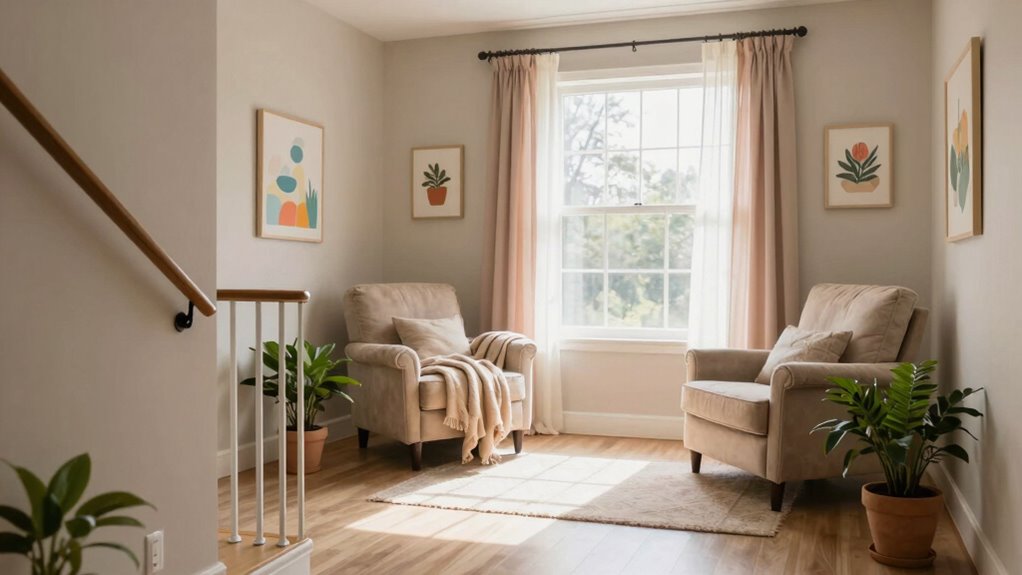

Starting your home upgrades with confidence helps you create a safer, more comfortable space that encourages independence. Focus on proactive improvements like safety modifications and assistive technology to prevent hazards before they happen. Remember, involving professionals and trusted friends can make the process easier and more reassuring. With the right mindset, you can make informed choices that truly support your needs. Keep going, and you’ll discover more ways to guarantee your home feels secure and welcoming.
Listen free for 30 days with Audible
Thousands of audiobooks and originals — cancel anytime.
As an affiliate, we earn on qualifying purchases.
Key Takeaways
- Approaching upgrades with confidence ensures decisions focus on enhancing safety and independence rather than reacting out of fear.
- Involving professionals and trusted individuals provides reassurance and guidance throughout the modification process.
- Proactive planning and education about available options foster a positive mindset and reduce anxiety.
- Starting with small, manageable improvements builds confidence and demonstrates immediate safety benefits.
- Emphasizing the goal of maintaining freedom and quality of life helps shift focus from fear to empowerment.
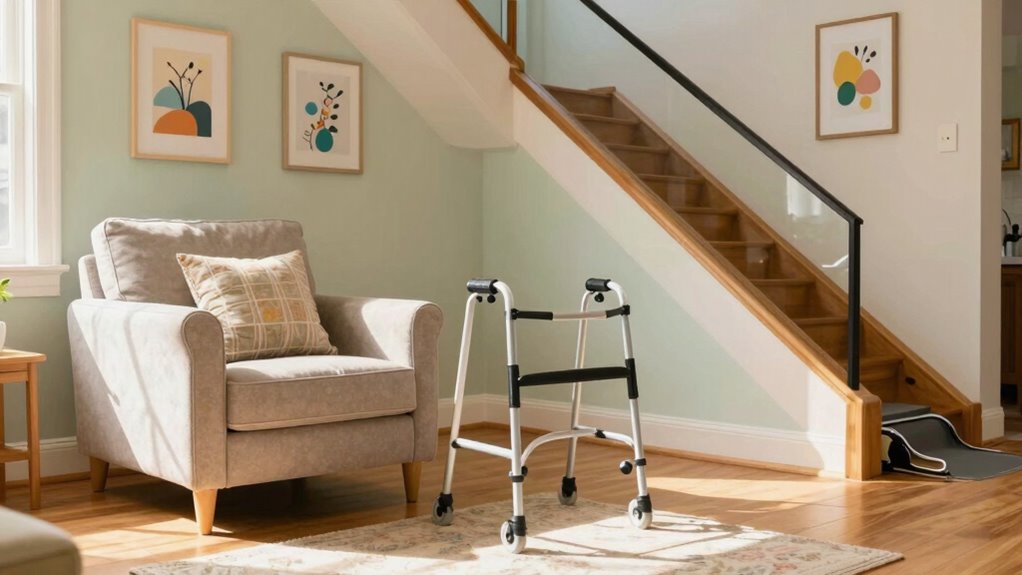
When considering upgrades to your senior home, it’s natural to feel overwhelmed or uncertain about the process. You might worry about the costs, the time involved, or whether you’re making the right choices. But approaching these upgrades with confidence can make all the difference. Start by understanding that the goal is to create a safe, comfortable environment tailored to your needs. This is where assistive technology and safety modifications come into play, helping you maintain independence and peace of mind. Incorporating sustainable living practices into your upgrade plans can also contribute to a healthier environment and reduce long-term costs. Assistive technology has advanced significantly, offering tools that simplify daily tasks. Voice-activated devices, remote monitoring systems, and smart home gadgets can make a big difference in your quality of life. These tools aren’t just for convenience—they’re designed to enhance safety and provide quick assistance in emergencies. For example, falls are a common concern, and technology like emergency response systems can alert caregivers immediately if you need help. Knowing these devices are available can bolster your confidence in managing your home environment.
Furthermore, understanding assistive technology options can help you select the best tools suited to your lifestyle and needs. Staying informed about the latest home safety devices can also help you make smarter choices for your environment. Safety modifications are equally important. Simple changes like installing grab bars in the bathroom, adding non-slip mats, or improving lighting can significantly reduce the risk of falls. Widening doorways, lowering countertops, or adjusting furniture height can also make your home more accessible. These modifications don’t have to be complicated or expensive; many are straightforward upgrades that provide long-term benefits. Additionally, home safety assessments can be a valuable resource in identifying specific areas for improvement tailored to your home. By proactively making these changes, you’re not just reacting to potential hazards—you’re preventing them. This proactive approach can help you feel more in control and secure in your living space.
Remember, you don’t have to do everything at once. Take it step by step, and consider consulting professionals who specialize in senior home modifications. Their expertise can help you identify the most effective solutions tailored to your lifestyle. Equally important is to involve family members or trusted friends in the planning process—they can provide support and reassurance, making the transition smoother.
Most importantly, recognize that these upgrades are about enhancing your independence and safety, not taking away your freedom. When you approach the process with confidence, you’re empowered to make informed decisions and create a home environment that truly supports your needs. With the right assistive technology and safety modifications, you can navigate this journey positively, knowing that your home is a safe, welcoming space that adapts to your evolving needs.
As an affiliate, we earn on qualifying purchases.
Frequently Asked Questions
How Do I Determine Which Home Upgrades Are Essential for Seniors?
To determine which home upgrades are essential for seniors, start by evaluating safety needs and mobility. Focus on interior design improvements like installing grab bars, non-slip flooring, and better lighting. Prioritize modifications that enhance safety without sacrificing aesthetic appeal, making the space both functional and inviting. Consult with seniors about their preferences, and consider professional evaluations to identify areas needing urgent attention, ensuring upgrades boost confidence and independence.
What Funding Options Are Available for Senior Home Modifications?
Worried about costs? Financial planning is key, but don’t forget to explore government grants, which can substantially offset expenses. Many local and federal programs provide funding specifically for senior home modifications, making upgrades more affordable. You might also consider low-interest loans or community resources. By combining these options, you can confidently fund essential upgrades, ensuring safety and comfort without the stress of overwhelming expenses.
How Can I Ensure Safety Without Making the Home Feel Institutional?
To guarantee safety without making your home feel institutional, focus on universal design principles that blend functionality with aesthetic balance. Use non-slip flooring, grab bars, and wider doorways subtly integrated into your decor. Choose warm colors and stylish fixtures to maintain a cozy, inviting atmosphere. By prioritizing both safety features and design harmony, you create a space that feels secure and welcoming, encouraging independence without sacrificing comfort or style.
What Are the Latest Technology Options for Senior Home Safety?
Imagine your home gets a superhero cape—Smart Sensors and Voice Assistants. These tech marvels detect falls, open doors, or remind you to take meds, all while whispering sweet nothings through voice assistants. You stay safe without sacrificing comfort or style, as the latest safety tech blends seamlessly into your space, making your home smarter and your worries smaller. Who knew safety could be this sleek?
How Do I Involve Seniors in Planning Their Home Upgrades?
You involve seniors in planning their home upgrades by actively listening to their needs and preferences, ensuring they feel empowered and respected. Offer emotional support throughout the process, showing understanding and patience. Encourage community involvement—perhaps through local workshops or support groups—so they feel connected and confident. This collaborative approach helps seniors take ownership of their upgrades, making the progression smoother and more comfortable for everyone involved.
Conclusion
Remember, beginning on home upgrades is like gently turning a new page—approaching with confidence rather than hesitation. When you prioritize feeling secure and comfortable, you create a space that truly supports your independence and well-being. Trust in your choices and take each step at your own pace. With a little patience and positive outlook, your home can become a sanctuary that reflects your vibrant spirit, making each day brighter and more comfortable.
Fall Picks
fall essentials
As an affiliate, we earn on qualifying purchases.