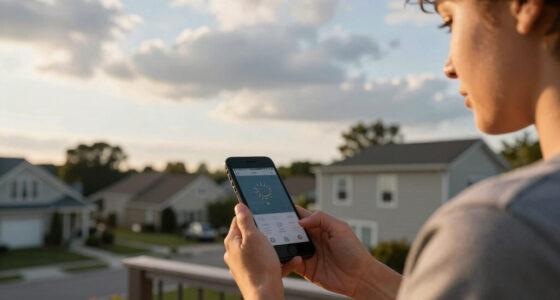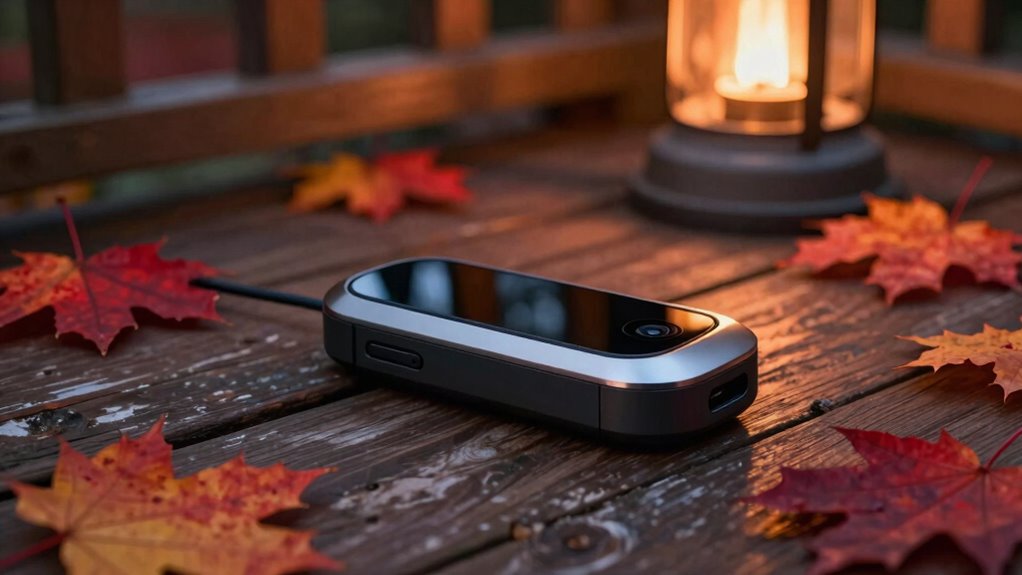

Fall detection seems simple because it uses sensors to identify falls and send alerts. However, the whole system can fail if any link breaks—like connectivity issues, device malfunctions, or communication problems. Even reliable devices aren’t perfect, and emergencies may get overlooked if protocols aren’t well-established or tested regularly. To understand how these hidden vulnerabilities can impact safety and what measures can improve them, keep exploring these critical details.

Get decor and gifts delivered free with Prime
- Fast, free delivery on millions of items
- Prime Video, Amazon Music and more included
- Member-only deals all year
Key Takeaways
- Fall detection relies on multiple interconnected components; failure in any link compromises overall system effectiveness.
- Wearable sensors may not detect all falls and can malfunction, delaying or preventing alerts.
- Network issues like connectivity drops can prevent alerts from reaching emergency contacts or response centers.
- Emergency response effectiveness depends on available contacts and well-practiced protocols, which may be overwhelmed or outdated.
- Contingency planning and backup systems are essential to address fall detection failures and ensure timely assistance.
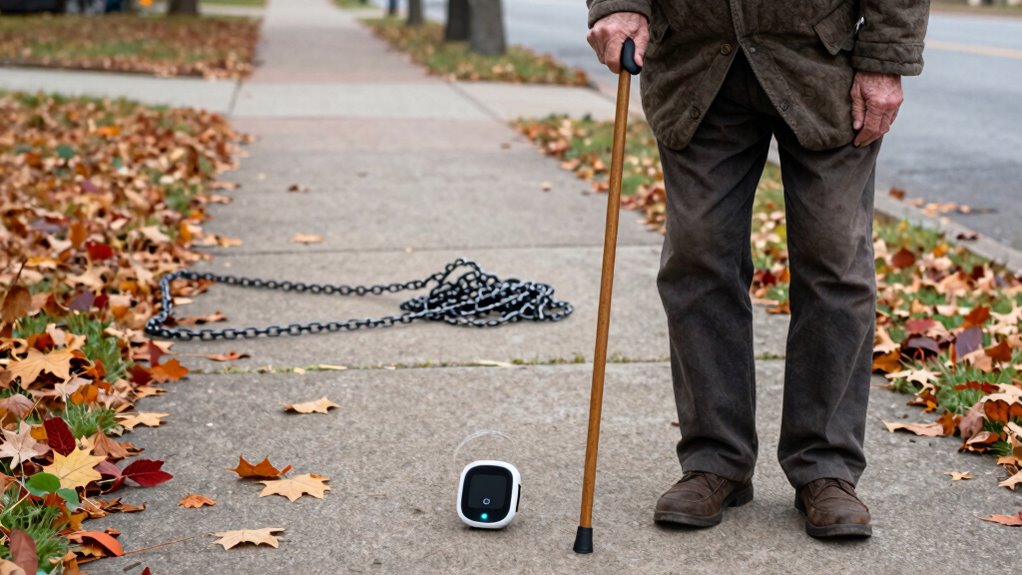
Fall detection systems seem straightforward—sensors identify a fall, and alerts are sent out. It feels like a simple process, but in reality, many factors can cause those alert chains to break down. As you rely on these systems, it’s essential to understand that their effectiveness depends on a complex network of devices, software, and protocols working seamlessly together. When one link in that chain fails, the entire safety net can unravel, leaving you vulnerable during critical moments.
You might think that wearable technology, such as smartwatches or pendants equipped with fall detection sensors, provides reliable protection. While these devices are designed to detect sudden movements and impacts, they aren’t infallible. Sometimes, the sensors may not recognize a fall, especially if you slip in a way that mimics normal movement. Other times, the device might be improperly worn or experience technical glitches, preventing it from triggering an alert. When that happens, the emergency protocols meant to protect you don’t activate, potentially delaying help in a life-threatening situation.
Moreover, even if the wearable successfully detects a fall, alerting others depends on multiple factors. Your device must be connected to a network, whether through Wi-Fi, Bluetooth, or cellular data. If your connection drops or experiences interference, the alert might never reach emergency contacts or monitoring centers. This is where the importance of robust emergency protocols comes into play. Many systems are designed with redundancies—multiple ways to alert caregivers or emergency services—but these aren’t always foolproof. A power outage, a malfunction, or user error can prevent notifications from going through. Additionally, communication reliability remains a critical concern, as technological issues can undermine even well-designed systems.
You also need to contemplate the responsiveness of the people or services on the receiving end. If your emergency contacts aren’t available, or if the monitoring service is overwhelmed or understaffed, the alert might not lead to immediate assistance. Even the best technology can’t substitute for well-established procedures and quick action plans. It’s essential to regularly test your devices, ensure they’re updated, and confirm that emergency contacts are current and prepared to respond. Implementing contingency planning can greatly improve your safety net in case of system failures.
Additionally, increasing awareness about the limitations of fall detection systems among users can help manage expectations and improve overall safety. Ultimately, fall detection sounds simple in theory, but the chain of events needed to provide effective help is fragile. Wearable technology plays a key role, yet it’s only part of a thorough safety strategy. Strengthening emergency protocols, maintaining reliable communication channels, and understanding the limitations of your devices are important steps to truly safeguard yourself. Recognizing the limitations of fall detection systems and planning for contingencies can make all the difference. When one link in that chain fails, the consequences can be severe—so don’t rely solely on technology; plan for contingencies.
As an affiliate, we earn on qualifying purchases.
Frequently Asked Questions
How Do Different Fall Detection Technologies Compare in Accuracy?
Different fall detection technologies vary in accuracy based on wearable devices and sensor placement. Wearables with accelerometers and gyroscopes tend to be more precise, especially when sensors are properly positioned on the body, like the waist or wrist. Devices with advanced algorithms detect falls more reliably, but improper sensor placement can cause false alarms or missed incidents. Regular calibration and user education help improve overall accuracy and dependability.
What Are Common Reasons for Alert Chain Failures?
Alert chain failures often happen because of improper sensor calibration or insufficient user training. If sensors aren’t correctly calibrated, false alarms or missed detections occur, breaking the alert chain. Additionally, without proper user training, individuals might not respond promptly or correctly, causing delays or missed alerts. To prevent this, guarantee regular sensor calibration and thorough training, so users understand how to maintain and respond to fall detection systems effectively.
How Can False Alarms Be Minimized in Fall Detection Systems?
To minimize false alarms in fall detection systems, you should regularly calibrate the sensors to guarantee accuracy and reliability. Additionally, providing proper user training helps individuals understand how to correctly wear and operate the device, reducing false triggers caused by improper use. Combining precise sensor calibration with thorough user education enhances system performance, ensuring you receive timely alerts without unnecessary false alarms.
Are There Privacy Concerns With Fall Detection Sensors?
Yes, there are privacy concerns with fall detection sensors. You need to take into account privacy implications because these devices often collect sensitive health and activity data. Ensuring data security is essential to prevent unauthorized access or misuse. Always choose systems with strong encryption, clear privacy policies, and user consent options. Being aware of how your data is stored, shared, and protected helps you maintain control and peace of mind.
What Maintenance Is Required for Reliable Fall Detection?
You know what they say, “A stitch in time saves nine.” To keep your fall detection system reliable, you need to regularly perform sensor calibration and software updates. Calibration guarantees sensors accurately detect falls, while updates fix bugs and improve performance. Check your device’s manual for specific instructions and schedule routine maintenance. Staying proactive helps prevent alert chain failures and keeps you safe when it matters most.
Conclusion
You see, fall detection is like a lighthouse guiding ships safely home, but when the chain of alerts breaks, the beacon dims, leaving lives adrift in darkness. Just as a single flicker can signal danger, a single failure in the system can mean missed chances to save. To truly protect those who rely on it, you must guarantee every link shines brightly, forging a resilient chain that withstands the storms and keeps hope anchored firmly in place.
Fall Picks
fall essentials
As an affiliate, we earn on qualifying purchases.