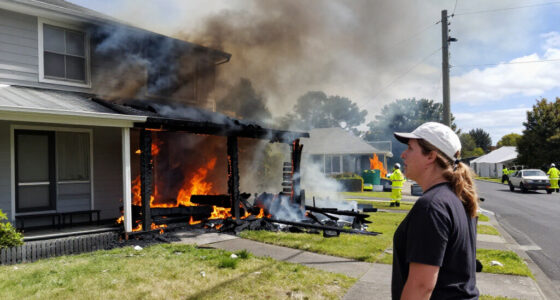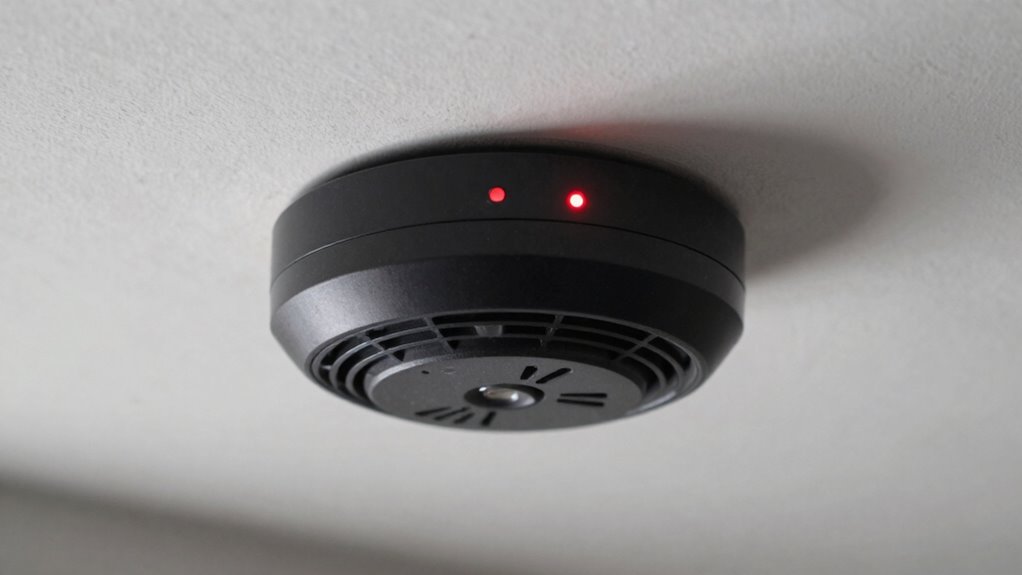

Testing your smoke and CO alarms like a family drill helps everyone recognize alarm sounds and respond confidently. Use this time to verify alarms are functioning properly, reinforce calm evacuation steps, and clarify each member’s role. Walk through escape routes together and practice gathering emergency kits quickly. Regularly doing these drills builds familiarity and reduces panic during real emergencies. Keep learning how to strengthen your home safety — there’s always more to discover here.

Get decor and gifts delivered free with Prime
- Fast, free delivery on millions of items
- Prime Video, Amazon Music and more included
- Member-only deals all year
Key Takeaways
- Regular testing ensures alarms are working properly, loud enough, and alerting everyone effectively during emergencies.
- Conduct family drills to familiarize all members with alarm sounds, responses, and evacuation procedures.
- Use drills to practice quick, organized evacuation routes and identify potential obstacles or delays.
- Confirm alarms are properly placed for maximum coverage and detect any dead zones or weak spots.
- Incorporate testing and drills into routine safety checks to reinforce preparedness and ensure timely responses.
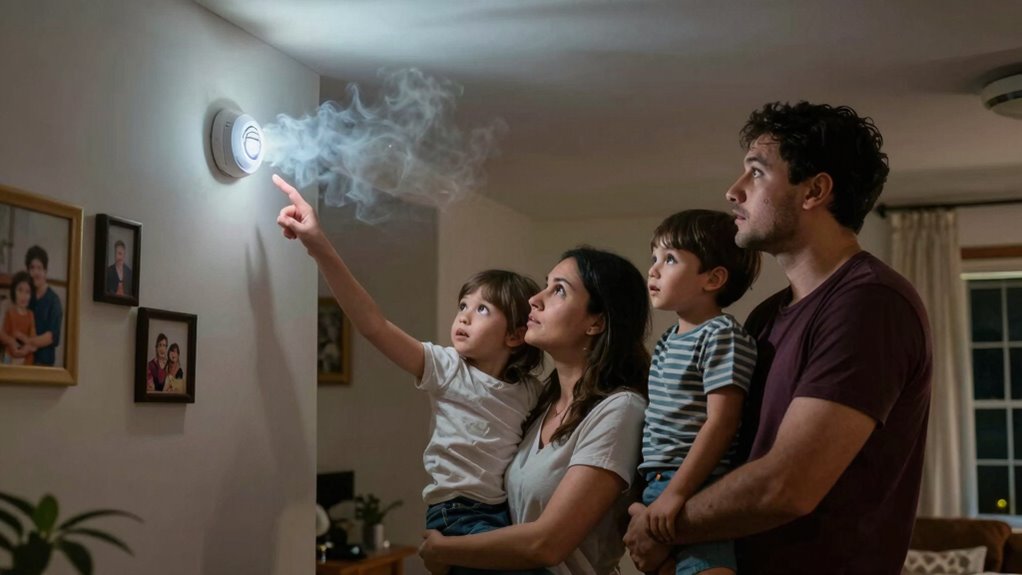
Many families understand the importance of installing smoke and carbon monoxide (CO) alarms, but testing these devices regularly is often overlooked. It might seem like a simple task, but treating it like a family drill ensures everyone knows what to do if an alarm goes off. Regular testing helps confirm that your alarms are functioning properly, giving you peace of mind and a faster, more organized response during an emergency. When you test your alarms, you’re also prompted to review your fire escape routes and emergency kit preparedness, which are critical components of overall safety.
You should test your smoke and CO alarms at least once a month by pressing the test button and listening for the loud alert. If the alarm doesn’t sound or the sound is weak, replace the batteries immediately or consider replacing the unit altogether. Make testing a family activity so everyone becomes familiar with the sound, understands what it means, and knows how to respond quickly. It’s crucial that each family member understands their role, whether it’s grabbing the emergency kit, helping others evacuate, or calling emergency services.
Practicing your escape plan during these tests reinforces the significance of fire escape routes. Walk through your home and ensure every family member knows two ways to exit each room, especially bedrooms, where people often sleep deeply. Keep your escape routes clear of clutter, and consider marking the exits with visible signs if needed. During these drills, time how long it takes to evacuate, and identify any obstacles or delays. Repeating this process regularly helps you spot potential issues before an emergency occurs. Incorporating proper alarm placement can further enhance safety by ensuring alerts are loud and clear throughout the home. Additionally, reviewing your home’s alarm placement can help you identify any dead zones or weak spots where sound may not reach effectively. Proper alarm placement is essential to ensure every corner of your home is adequately covered and audible.
In addition to testing alarms and practicing escape routes, you should review your emergency kit preparedness. Confirm that your kit contains essentials such as water, non-perishable food, a flashlight, batteries, first aid supplies, and important documents. During family drills, simulate gathering these items quickly, ensuring everyone knows where they are stored. An organized, ready-to-go emergency kit can save precious seconds in a crisis. Conducting these drills regularly reinforces the importance of emergency preparedness and encourages everyone to stay vigilant. Including fire safety education as part of your routine can further improve your family’s response in an actual emergency.
Treating alarm testing like a family drill creates a routine that embeds safety into your daily life. When everyone participates, it becomes second nature to respond swiftly and calmly. This proactive approach not only verifies your alarms work but also strengthens your entire emergency response plan. Regular practice helps your family react instinctively, reducing panic and confusion during actual emergencies, and ultimately, keeping everyone safer. Additionally, understanding the importance of proper alarm placement can improve the effectiveness of your safety measures.
smoke and carbon monoxide alarm tester
As an affiliate, we earn on qualifying purchases.
As an affiliate, we earn on qualifying purchases.
Frequently Asked Questions
How Often Should Smoke and CO Alarms Be Tested?
You should test your smoke and CO alarms at least once a month to guarantee home safety and stay prepared for emergencies. Regular testing helps you identify issues early, so you can replace batteries or alarms when needed. Incorporate this into your emergency preparedness routine, just like a family drill. Keeping alarms functioning properly provides peace of mind and increases your safety in case of fire or CO leaks.
What Should I Do if an Alarm Goes off Accidentally?
Think of an accidental alarm as a false note in your safety symphony. When it goes off, stay calm and quickly ventilate the area to clear any dust or cooking fumes. Press the reset button to silence it, and check the alarm’s battery and placement to prevent future false alarms. For false alarm prevention, regularly clean and test your alarms, following alarm maintenance tips to keep your safety system reliable.
Are There Different Testing Procedures for Different Alarm Brands?
Yes, different alarm brands may have unique testing procedures. You should check your alarm’s manual for specific instructions on alarm calibration and battery replacement. Some alarms require pressing a test button, while others might need a specific sequence or app. Always follow the manufacturer’s guidelines to guarantee your alarm functions correctly. Regular testing helps confirm the alarm’s reliability and that your battery is fresh, keeping your home safe.
Can Pets Be Affected by Frequent Alarm Testing?
Yes, frequent alarm testing can affect pet safety by causing stress and anxiety in your pets. It may also temporarily alter alarm sensitivity, leading to false alarms that can scare your pets or make them less responsive during emergencies. To protect your pets, test alarms in a calm environment, avoid loud noises when pets are nearby, and monitor their reactions. Always prioritize pet safety during any testing routine.
What Are the Signs of a Malfunctioning Smoke or CO Alarm?
If your smoke or CO alarm malfunctions, you’ll notice it chirping unexpectedly, failing to respond during tests, or producing constant false alarms. Check alarm placement—placing alarms in the right spots helps prevent issues. Also, make certain you perform regular battery maintenance; dead batteries can cause malfunctions. If problems persist, replace the alarm promptly. Staying vigilant with these steps keeps your home safe and alarms functioning properly.
Conclusion
Think of your smoke and CO alarms as the heartbeat of your home, steady and essential. Testing them regularly is like tuning an instrument, ensuring every note hits just right in an emergency. When you treat these alarms like a family drill, you’re orchestrating safety, turning routine checks into a dance of preparedness. Stay vigilant, stay safe—because in the symphony of life, every sound matters, and every second counts.
Halloween Picks
halloween
As an affiliate, we earn on qualifying purchases.