
TL;DR

Get decor and gifts delivered free with Prime
- Fast, free delivery on millions of items
- Prime Video, Amazon Music and more included
- Member-only deals all year
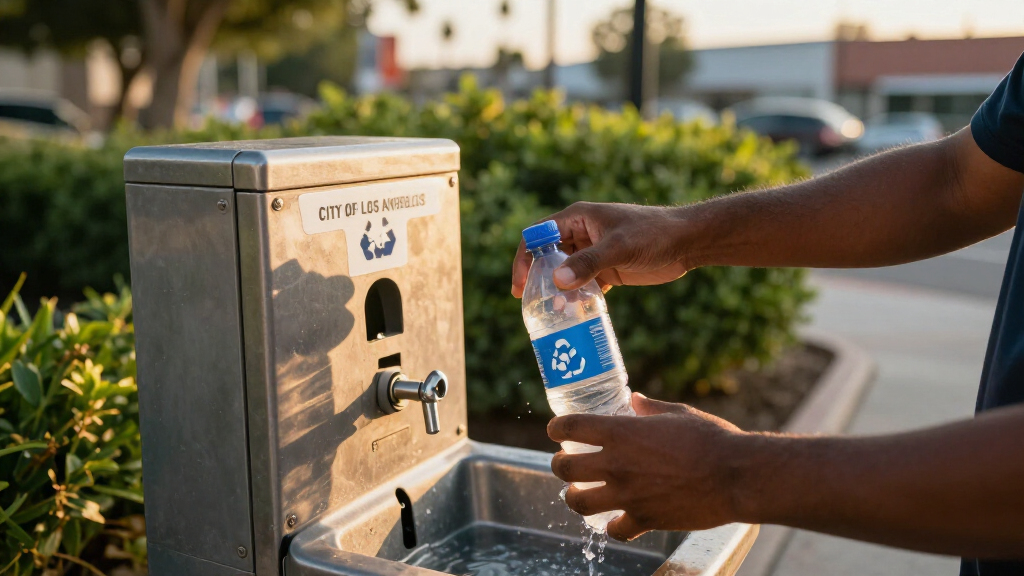
The City of Los Angeles has reopened its recycled water fill station for the 2026 season. This move aims to promote water conservation amid ongoing drought concerns. The station is now available to the public, with safety and operational details confirmed.
The City of Los Angeles has officially reopened its recycled water fill station for the 2026 season, beginning this week. The station, operated by the Los Angeles Department of Water and Power (LADWP), is now accessible to residents and landscape professionals seeking sustainable water sources. This move underscores the city’s ongoing efforts to promote water conservation amid persistent drought conditions and water scarcity concerns, making it a significant development for local water management initiatives.
The recycled water fill station, located in the Van Nuys area, is now open daily from 8 a.m. to 4 p.m., according to LADWP officials. The station allows users to fill containers with treated recycled water, which is suitable for non-potable uses such as landscape irrigation and industrial processes. LADWP confirmed that safety protocols are in place, including signage and staff oversight, to ensure proper handling and prevent misuse.
Officials emphasized that the station’s reopening aligns with the city’s broader water conservation strategies, which include expanding recycled water infrastructure and encouraging residents to reduce reliance on imported potable water. The station has been operational in previous years but was temporarily closed for upgrades and maintenance. Its reopening marks a key step in Los Angeles’ efforts to diversify water sources and mitigate drought impacts.
Why Reopening the Recycled Water Station Matters for LA
The reopening of the recycled water fill station is a critical component of Los Angeles’ strategy to address ongoing drought conditions and water shortages. By providing accessible sources of non-potable water, the city aims to reduce dependence on imported potable water, which is increasingly vulnerable to climate variability and infrastructure challenges. This initiative supports the city’s long-term sustainability goals and helps residents and businesses participate actively in water conservation efforts.
Moreover, the station’s availability encourages responsible water use among residents, landscape professionals, and industries, which collectively can significantly reduce overall water demand. Experts note that expanding recycled water infrastructure is essential for urban resilience in the face of climate change and prolonged droughts, making this reopening a positive step toward sustainable water management in Los Angeles.
As an affiliate, we earn on qualifying purchases.
Background on LA’s Recycled Water Initiatives and Past Usage
Los Angeles has been investing in recycled water infrastructure for over a decade as part of its broader water management plan. The city’s recycled water program includes several treatment facilities and distribution points aimed at reducing reliance on imported water from the Colorado River and Northern California. The recycled water fill station in Van Nuys was first introduced in 2018, serving as a convenient point for residents and landscapers to access non-potable water.
In recent years, drought conditions have intensified, prompting the city to expand its recycled water use and infrastructure. The station was temporarily closed in late 2025 for upgrades, including improved treatment technology and safety measures, before reopening this week. This aligns with the city’s ongoing efforts to increase recycled water use, which has seen a steady rise, according to LADWP reports.
“The reopening of the recycled water fill station is a vital step in our city’s water conservation efforts, providing a safe and reliable resource for residents and businesses.”
— LADWP spokesperson
Remaining Questions About the Station’s Capacity and Usage
It is not yet clear how much recycled water the station is expected to supply during the upcoming season or whether additional stations will be opened in other parts of the city. Details about funding for future upgrades or expansion plans are still emerging, and officials have not specified if there will be increased promotional efforts to encourage public use.
Next Steps for Water Conservation Infrastructure in LA
City officials plan to monitor the station’s usage throughout the season to assess demand and operational effectiveness. They also intend to evaluate potential expansion of recycled water infrastructure, including additional fill stations and treatment facilities, as part of the city’s long-term water sustainability plan. Public outreach campaigns are expected to increase awareness about the benefits of recycled water use.
Key Questions
Who can use the recycled water fill station?
The station is open to residents, landscape professionals, and businesses for non-potable water use, such as irrigation and industrial applications. Users must follow safety protocols and signage provided at the station.
Are there any safety concerns with recycled water?
The LADWP has implemented safety measures, including signage and staff oversight, to ensure proper handling and prevent misuse. The water is treated to meet safety standards for non-potable applications.
Will the station be available year-round?
The station is scheduled to operate daily from 8 a.m. to 4 p.m. during the 2026 season, subject to weather and maintenance schedules. Future availability depends on ongoing assessments and funding.
Are there plans to expand recycled water infrastructure in LA?
Yes, city officials have indicated plans to evaluate and potentially expand recycled water facilities and stations as part of their long-term water management strategy.
How does recycled water help LA address droughts?
Recycled water reduces dependence on imported potable water, which is vulnerable to drought and climate change, thereby strengthening the city’s water resilience and sustainability.
Source: local
Fall Picks
fall essentials
As an affiliate, we earn on qualifying purchases.