
TL;DR
Oceana Passivhaus has seen a significant increase in global media coverage, with 36 mentions in recent reports. This development signals rising interest in passive house standards for sustainable construction.
Oceana Passivhaus has experienced a notable increase in international media mentions, with 36 reports recorded in a recent monitoring period, marking a surge in global coverage. This heightened attention underscores growing interest in the passive house standard for sustainable building practices, making it a key development in the field of energy-efficient architecture.
According to data from GDELT, a media monitoring platform, 36 mentions of Oceana Passivhaus have been recorded within a specific recent window, representing a significant increase compared to previous periods. The project, which emphasizes ultra-low energy consumption and high environmental standards, has attracted coverage from multiple international outlets, including architectural, environmental, and construction-focused media.
While the specific reasons for this surge are not fully detailed, experts suggest that the rising global emphasis on climate change mitigation and sustainable development has driven increased media interest in projects like Oceana Passivhaus. The project is often cited as a leading example of passive house design principles applied at a large scale.
Industry analysts note that this surge in coverage could influence wider adoption of Passivhaus standards worldwide, as more stakeholders become aware of the benefits and feasibility of such buildings. The project’s visibility coincides with broader discussions about energy efficiency and green building policies across various countries.
Implications of Increased Media Attention on Sustainable Building Standards
The surge in media coverage of Oceana Passivhaus highlights a growing global interest in passive house standards as a key tool for reducing energy consumption and combating climate change. Increased visibility can accelerate adoption of these standards in new construction and retrofitting projects worldwide, potentially influencing policy and market trends. For industry professionals and policymakers, this shift signals a rising demand for sustainable building practices and may lead to more investments in energy-efficient architecture.
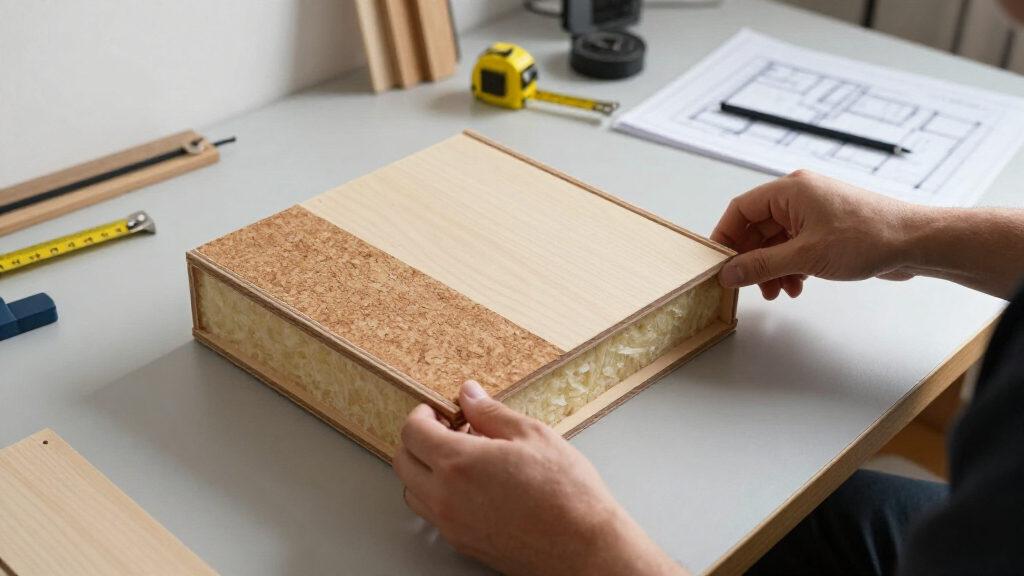
Passive house insulation materials
As an affiliate, we earn on qualifying purchases.
As an affiliate, we earn on qualifying purchases.
Background and Recent Trends in Passive House Adoption
The Passivhaus standard originated in Germany in the 1990s and has gained international traction as a benchmark for energy-efficient buildings. Over recent years, numerous projects globally have adopted these principles, driven by climate policies, technological advances, and increasing public awareness. Oceana Passivhaus, as a prominent example, has been part of this broader movement, with recent media attention reflecting its significance.
Prior to this surge, media coverage of Passivhaus projects was relatively steady, but the recent spike indicates heightened interest possibly linked to increased climate commitments and the push for sustainable urban development. Industry reports have shown growing market demand for energy-efficient buildings, further fueling this trend.
Unclear Factors Behind the Media Coverage Spike
It is not yet clear what specific events or developments triggered the recent surge in media mentions of Oceana Passivhaus. The reasons could include recent project milestones, broader climate policy announcements, or increased advocacy, but these are not confirmed. Further analysis is needed to determine the precise causes of this media attention.
Next Steps for Oceana Passivhaus and Media Engagement
Stakeholders expect continued media interest in Oceana Passivhaus, especially if the project reaches new milestones or gains recognition in sustainability awards. Industry observers anticipate that this attention could lead to more projects adopting Passivhaus standards and increased policy support. Monitoring upcoming developments and coverage will clarify whether this surge signifies a lasting trend or a temporary spike.
Key Questions
What is Oceana Passivhaus?
Oceana Passivhaus is a building project designed according to the Passivhaus standard, emphasizing energy efficiency, low environmental impact, and high indoor comfort.
Why is media coverage of Oceana Passivhaus increasing?
The recent surge may be linked to broader climate and sustainability discussions, project milestones, or increased advocacy, but specific reasons are not confirmed.
How does Passivhaus standard benefit buildings?
It reduces energy consumption for heating and cooling, lowers greenhouse gas emissions, and improves indoor air quality and comfort.
Could this media attention influence policy?
Yes, increased media focus can raise public awareness and potentially accelerate policy support for energy-efficient building standards.
What should stakeholders expect next?
Further media interest, potential project milestones, and possible policy developments are anticipated as the trend continues.
Source: gdelt