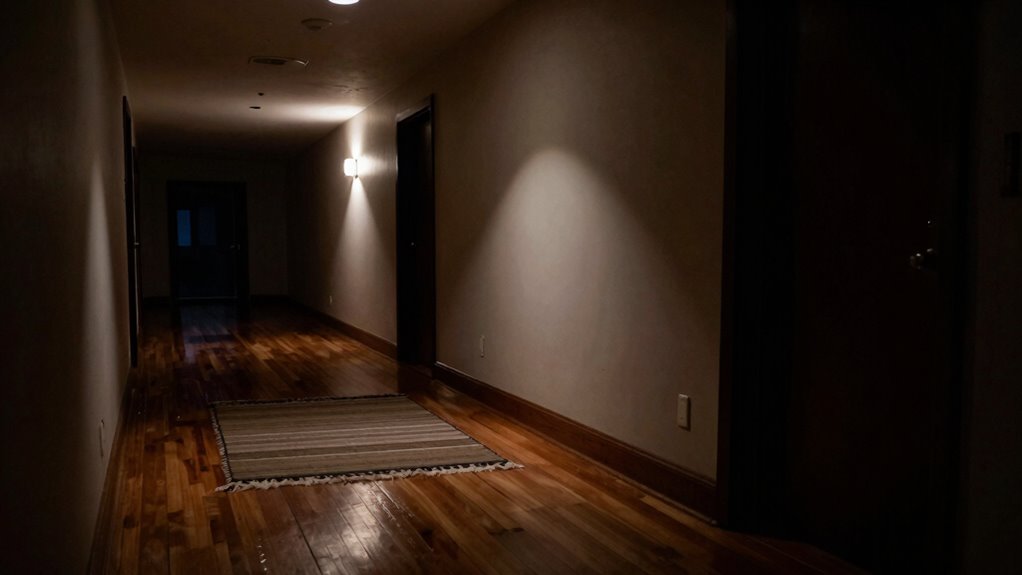

One common but overlooked mistake that increases fall risk is relying solely on basic ceiling or table lighting without adding accent or layered lighting to highlight stairs, hallways, and uneven surfaces. Without proper illumination, potential hazards can stay hidden, especially in dim areas or at night. You might miss subtle trip hazards or darkened steps, which heighten the chance of falls. Keep exploring to discover how adjusting your lighting can make your home considerably safer.

Get decor and gifts delivered free with Prime
- Fast, free delivery on millions of items
- Prime Video, Amazon Music and more included
- Member-only deals all year
Key Takeaways
- Relying solely on ceiling lights or lamps can leave critical areas inadequately lit, increasing fall risk.
- Ignoring accent lighting on stairs and uneven surfaces can cause hazards to go unnoticed.
- Not installing motion sensors in low-traffic areas delays lighting activation, leading to potential trips in the dark.
- Focusing only on general lighting without layered or adjustable options reduces visibility in key zones.
- Overlooking strategic placement of lighting to eliminate shadows and glare can compromise safety.
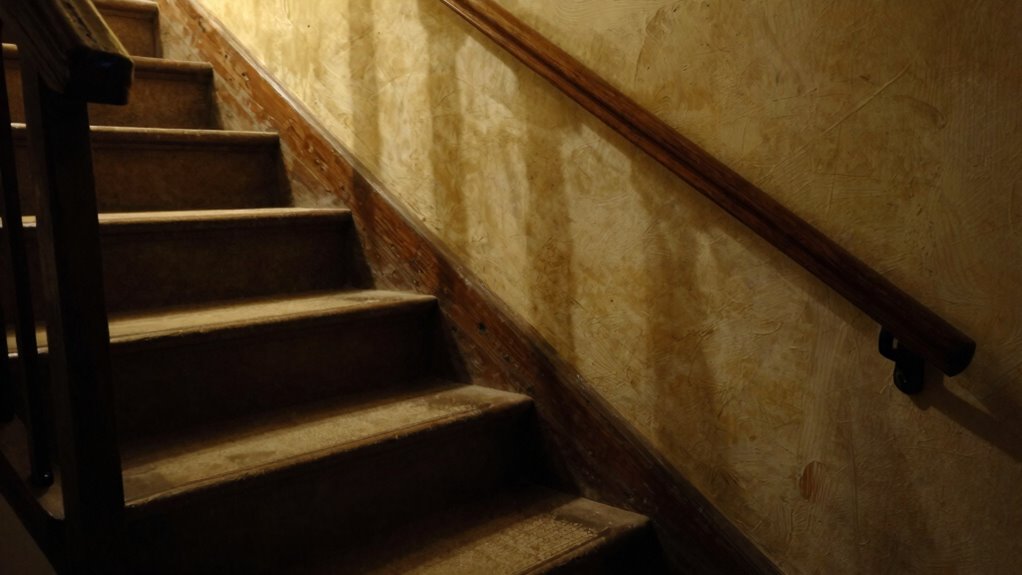
Poor lighting in your home can greatly increase your risk of falling, especially as you age. Many people overlook how important proper illumination is in preventing accidents. One common mistake is relying solely on ceiling lights or lamps that don’t provide enough coverage in key areas. Instead, you should consider integrating accent lighting to highlight stairs, hallways, and uneven surfaces. Accent lighting isn’t just decorative; it can serve a crucial safety function by illuminating potential trip hazards that might otherwise go unnoticed in low light. When installed strategically, it makes these areas clearly visible without creating harsh glare or shadows, helping you navigate your space more confidently.
Another often overlooked solution is the use of motion sensors. These devices automatically turn on lights when you enter a room or approach a staircase, eliminating the need to fumble for switches in the dark. Motion sensors ensure that areas are always illuminated when you need them, reducing the chance of stumbling over furniture or uneven flooring. They’re especially useful in less-frequented spaces like basements, closets, or outdoor paths, where accidental trips are more likely if lighting isn’t consistent. By activating lights only when needed, motion sensors also help conserve energy, making them both a safety and efficiency upgrade. Additionally, understanding lighting needs and how they change throughout the day can help you create a safer environment, especially as lighting requirements vary with different activities and times. Proper layered lighting strategies, such as combining ambient, task, and accent lights, can further improve visibility and safety throughout your home. Incorporating adjustable lighting options allows you to customize illumination based on your specific needs, enhancing overall safety and comfort. Properly placed accent lighting, combined with motion sensors, creates a layered lighting system that enhances safety without sacrificing ambiance. This setup ensures that pathways are well-lit at all times, especially in areas prone to falls, like stairs or bathroom entrances.
As an affiliate, we earn on qualifying purchases.
Frequently Asked Questions
How Can I Assess My Home’s Current Lighting Safety?
To assess your home’s lighting safety, inspect all areas for adequate illumination, especially staircases and hallways. Check your lighting installation to guarantee fixtures are secure and functional. Evaluate bulb selection, opting for bright, warm lights that eliminate shadows and improve visibility. Turn on all lights, observe any dim or dark spots, and replace weak bulbs. Proper lighting reduces fall risk and creates a safer, more inviting environment.
What Types of Lighting Are Best for Fall Prevention?
You should opt for bright, evenly distributed lighting to prevent falls. Smart bulbs are excellent because you can adjust brightness and color temperature easily, ensuring ideal visibility. Installing motion sensors in hallways and staircases guarantees lights turn on automatically when needed, reducing dark spots. Combining these options creates a safer environment, especially at night, minimizing trip hazards and making navigation easier for everyone in your home.
Are There Affordable Solutions to Improve Lighting?
Yes, you can find affordable lighting options that improve safety without breaking the bank. Look for budget-friendly illumination like LED night lights, battery-operated puck lights, or stick-on tap lights. These solutions are easy to install, energy-efficient, and provide bright, consistent lighting in key areas like hallways, stairs, and bathrooms. Investing in these affordable lighting options helps reduce fall risk and enhances overall safety around your home.
How Does Poor Lighting Affect Nighttime Navigation?
Poor lighting hampers your nighttime navigation by reducing glow intensity, making it harder to see clearly. Shadows cast by insufficient or uneven lighting can obscure obstacles and create confusing visual cues. When glow intensity is low, your eyes strain, and shadows become more pronounced, increasing fall risk. To improve safety, make certain your lighting is bright enough, evenly distributed, and minimizes harsh shadows, helping you move confidently and securely at night.
When Should I Consider Professional Lighting Consultations?
You should consider professional lighting consultations when designing or renovating your space to guarantee ideal lighting design and safety. If you notice inadequate illumination, especially near stairs or walkways, or if emergency illumination isn’t reliable, experts can help. They assess your lighting needs, improve visibility, and ensure emergency lighting is effective, reducing fall risks. Professional guidance guarantees a safe, well-lit environment, especially in high-traffic or hazard-prone areas.
Conclusion
So, don’t let poor lighting be the villain in your daily story. By simply fixing that overlooked lighting mistake, you turn the risk of a fall into a tale of safety and confidence. Think of lighting as the silent guardian watching over your steps—sometimes, the smallest change can be the biggest hero. Shine a light on your home, and keep your journey safe and bright. After all, a well-lit path leads to peace of mind.
Halloween Picks
halloween
As an affiliate, we earn on qualifying purchases.