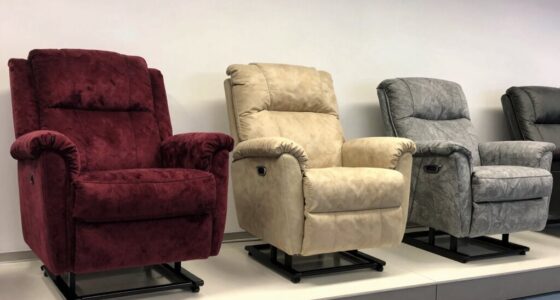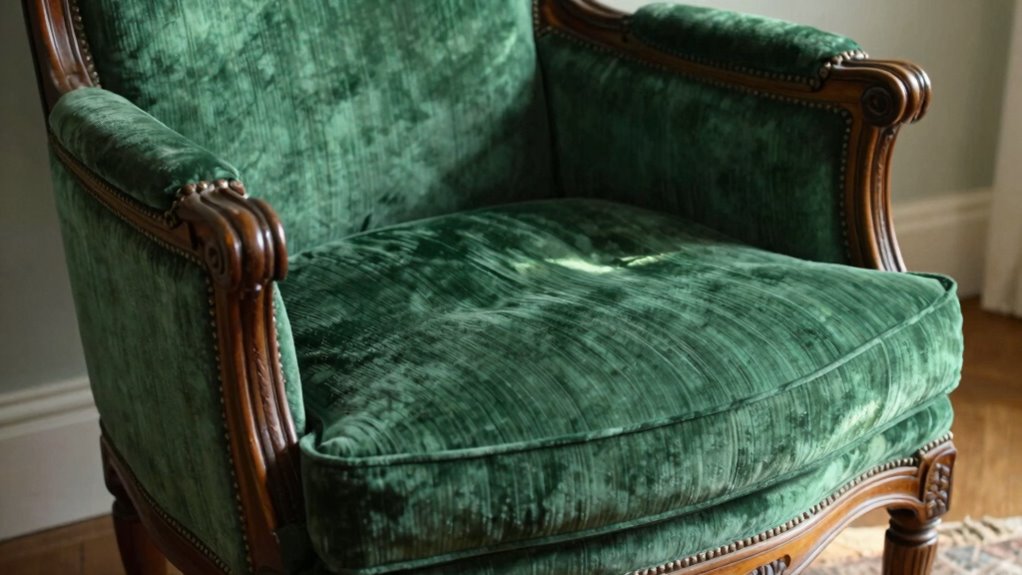
Some chairs are harder to get out of because of their ergonomic design and material choices. Features like high backrests, deep seats, or tightly fitted cushions support your posture but can make standing up more difficult. Stronger, firmer materials add resistance, causing a “locked-in” feeling. The combination of padded support and durable materials creates resistance that limits your movement. To uncover the full picture behind chair comfort and mobility, keep exploring these factors further.
Listen free for 30 days with Audible
Thousands of audiobooks and originals — cancel anytime.
As an affiliate, we earn on qualifying purchases.
Key Takeaways
- Ergonomic features like high backrests and deep cushions can increase resistance when rising.
- Stronger, firmer materials create more resistance, making it harder to stand up from the chair.
- Overly contoured or padded designs can limit movement and cause a “locked-in” feeling.
- The interaction between design and material stiffness influences how easily one can exit the chair.
- Excessive support and resistance can make chairs feel “trapped,” complicating movement to stand up.
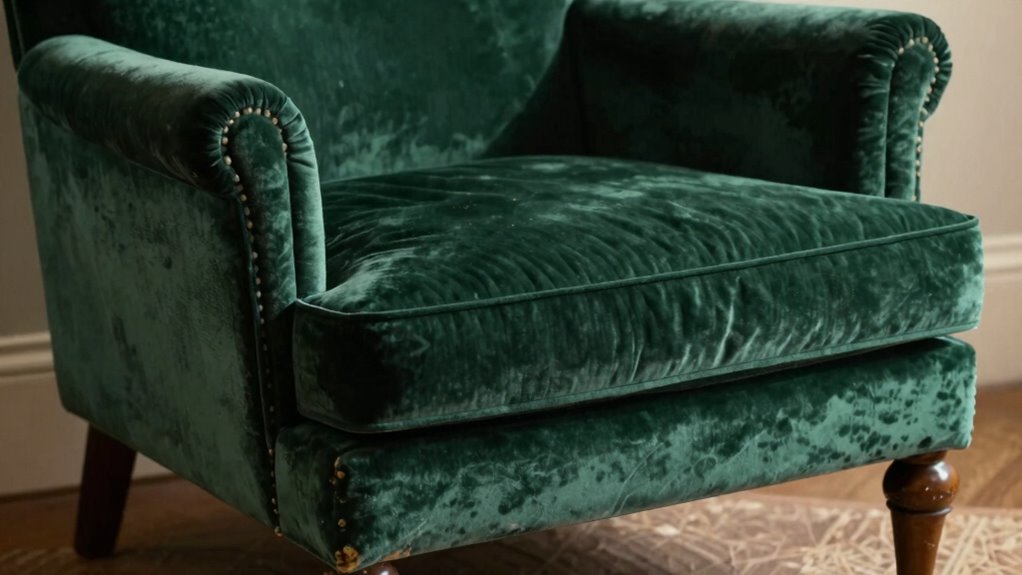
Have you ever wondered why some chairs seem to trap you longer than others? It’s often because of a mix of design choices and the materials used. When a chair has strong ergonomic features, it’s built to support your body in a way that can make getting up a bit more challenging. For instance, chairs with high backrests, deep seats, or tightly fitted cushions may feel comfortable during long periods, but they can also limit your movement when you’re trying to stand. These features are designed to keep you seated comfortably, but they can also make you feel “stuck” because of how they interact with your body’s natural biomechanics. Additionally, some chairs are designed with specific ergonomic principles to promote good posture, which, while beneficial, can also make it harder to shift your position or rise easily if they are overly contoured or padded. The material strength of a chair can also influence how much resistance you experience when trying to stand up, as more durable materials tend to be firmer and less forgiving. The design and material composition of a chair also impact its overall firmness and flexibility, further affecting ease of movement. Material durability plays a big role in how much resistance you experience when trying to stand up. Chairs made from sturdy, long-lasting materials like reinforced plastics, metals, or dense foam tend to hold their shape and support longer. However, the same durability can sometimes translate into a firmer feel, especially if the padding or cushioning is minimal or tightly fitted. When the seat and back of a chair are built with resilient materials that don’t give way easily, you might find yourself feeling “locked in” once you sit down. The firmness can create resistance when you try to stand up, making it feel as if the chair is holding you in place. Conversely, softer materials might allow for easier movement, but they can also lead to sagging over time, which affects the chair’s overall ergonomic support and could make getting out of it awkward. Recognizing the interaction between design features and material resilience is key to understanding how comfortable or difficult a chair may be to escape from.
ergonomic office chair with high backrest
As an affiliate, we earn on qualifying purchases.
As an affiliate, we earn on qualifying purchases.
Frequently Asked Questions
How Do Chair Design and Ergonomics Influence Ease of Standing Up?
Chair design and ergonomics directly affect how easily you can stand up. A well-designed chair with proper height, supportive armrests, and a stable base reduces strain and makes rising effortless. You might notice that chairs with good ergonomic features, like ergonomic curves and appropriate back support, enhance comfort. While aesthetic appeal and brand reputation matter, prioritizing ergonomic design guarantees you can stand up comfortably without feeling stuck, especially over long periods.
Are There Specific Materials That Make Chairs Harder to Leave?
Yes, certain materials can make chairs harder to leave. Chairs with firm cushions and tightly woven fabrics offer less give, making it more challenging to stand up comfortably. If the fabric feels stiff and the cushion is dense, you’ll find it harder to get out because there’s less flexibility and comfort. Softer fabrics and plush cushions promote easier movement, reducing the effort needed to rise.
How Does Seat Height Affect the Difficulty of Getting Out?
Think of a chair as a stage where your ease of standing depends on its seat height. When the seat is too low, it’s like trying to leap from a trapdoor—cushion firmness and armrest placement can make it even trickier. A higher seat lets you rise naturally, while firm cushions and poorly placed armrests hinder your push-off. Adjusting these factors makes getting out smoother, like unfolding from a comfy, welcoming chair.
Can the Weight or Size of a Person Impact This?
Yes, your body weight and size can impact how hard it is to get out of a chair. Heavier or larger individuals might find it more challenging because their body weight affects chair stability, making it harder to push yourself up smoothly. Additionally, a chair’s design and stability influence this process. If the chair isn’t sturdy or well-balanced, your body weight can make it even more difficult to rise comfortably.
Do Cultural or Habitual Factors Influence How Easily People Exit Chairs?
You might find that cultural norms and habitual behaviors shape how easily you rise from a chair. In some cultures, sitting patiently and gracefully is valued, making it harder to swiftly stand up. Your routines and comfort levels also influence your movements—habitual behaviors become second nature, guiding your actions unconsciously. So, your background and daily habits act like invisible hands, gently guiding or resisting your effort to get out of a chair.
Conclusion
So, next time you find yourself struggling to rise from a chair, remember it’s more than just comfort—it’s a symbol of attachment. Like roots digging deep into the earth, certain chairs hold onto us, anchoring us in moments, memories, or habits. Sometimes, letting go feels harder than staying. But recognizing this symbolism helps you gently loosen those ties, freeing yourself to move forward—ready to embrace new chapters with fresh energy.
Fall Picks
fall essentials
As an affiliate, we earn on qualifying purchases.