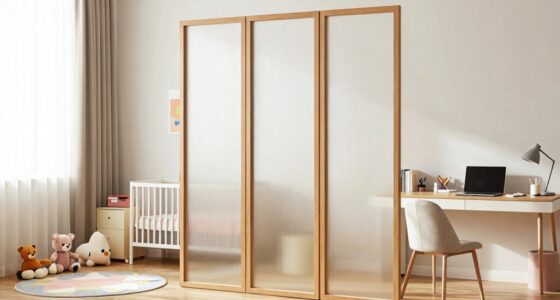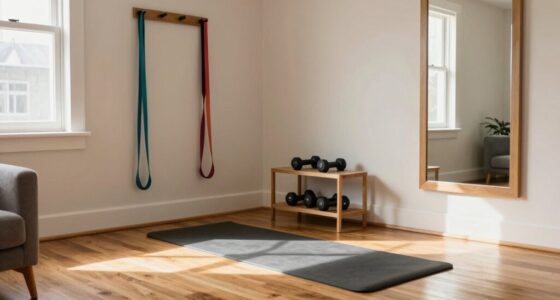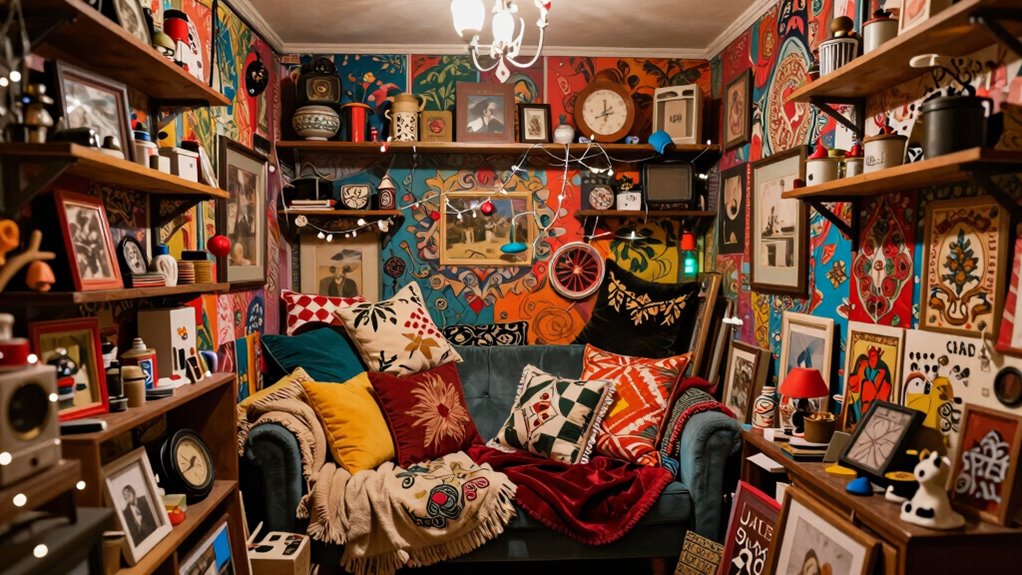
Overdecorating a small room can make it feel cluttered and overwhelming, which hampers your ability to move freely and relax. When you pack every corner with furniture, accessories, and busy patterns, the space becomes visually chaotic and difficult to navigate. Too many items also distract your focus, making the room feel smaller and less inviting. Keeping things simple and purposeful creates a calmer environment. If you want to discover how to make your space more functional, keep exploring.

Get decor and gifts delivered free — and shop member deals
- Fast, free delivery on millions of items
- Access to Prime Big Deal Days deals on October 6–7
- Prime Video, Amazon Music and more included
Key Takeaways
- Overdecorating creates clutter, making it difficult to navigate and use the space effectively.
- Excess items and patterns overwhelm the senses, reducing focus and functionality.
- Too much furniture restricts movement and limits available space for daily activities.
- Surface clutter hinders accessibility and hampers cleaning and organization efforts.
- Visual chaos from overuse of color and decor diminishes tranquility and usability.
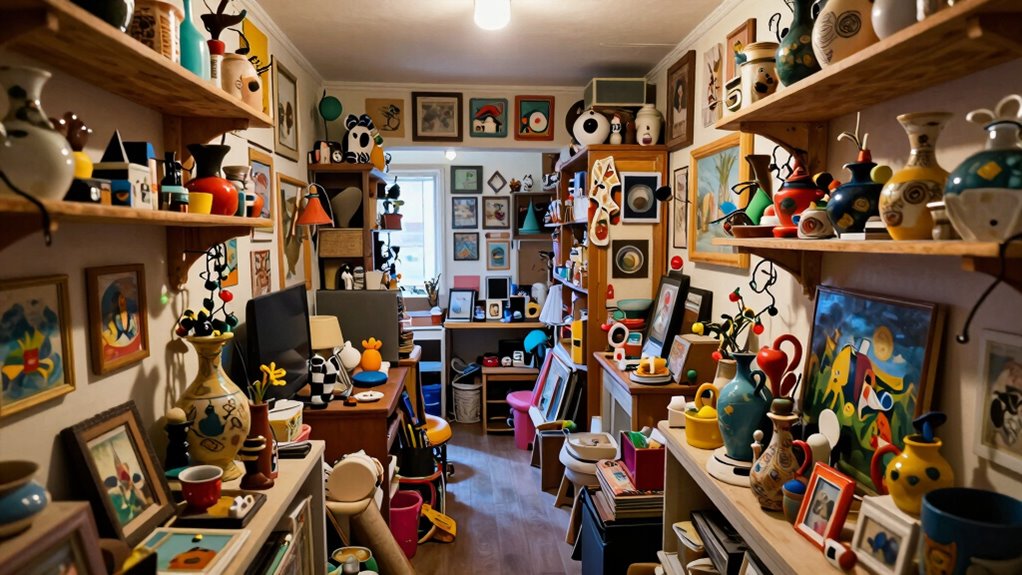
Overdecorating small rooms can quickly make them feel cluttered and overwhelming. When you pack every corner with accessories, patterns, and furniture, the space begins to lose its sense of openness. Your instinct might be to create a vibrant, lively environment, but too many elements can backfire, making it harder to navigate and enjoy. One common mistake is overusing color, which can create visual chaos rather than harmony. When you don’t pay attention to color coordination, your room can feel busy and disorganized, forcing your eyes to dart around instead of relaxing. Instead, sticking to a cohesive color palette helps the space feel more unified and calming. Limit your choices to a few complementary shades, and use them strategically on walls, textiles, and accessories. This approach makes the room appear more spacious and allows you to focus on the essentials without distraction. Additionally, keeping decorative elements purposeful and well-placed enhances the room’s overall harmony and balance.
Furniture selection plays a pivotal role in small room decor, and overdoing it can quickly turn your space into a cramped mess. When you choose too many pieces or go for oversized furniture, you limit the room’s functionality and movement. Instead, opt for versatile, appropriately scaled furniture that serves multiple purposes. For example, a sofa bed or a storage ottoman can save space while adding functionality. Avoid filling every available spot with furniture—leave some breathing room so you can move freely. When you select furniture, think about its size and shape in relation to the room. Sleek, streamlined pieces typically work best because they don’t overpower the space and help maintain an open, airy feel. Remember, less is often more in small rooms. Being mindful of visual harmony and scale ensures your space remains functional and inviting.
Overdecorating often means filling every empty surface, which can make your room feel cluttered and chaotic. When you add too many decorative items, it becomes difficult to find space to move comfortably or to focus on your daily activities. Instead, choose a few statement pieces or meaningful accessories and display them thoughtfully. Keep surfaces clear and organized, and avoid the temptation to cover every inch with knick-knacks. This minimalist approach allows your room’s structure to shine and makes it easier to keep clean and organized. When your decor is restrained and purposeful, you’ll find it much easier to use the room comfortably and efficiently. Ultimately, restraint in color coordination and furniture selection helps create a space that feels welcoming, functional, and easy to live in, rather than a cluttered, overwhelming environment.
Frequently Asked Questions
How Can I Tell if My Room Is Overdecorated?
You can tell your room is overdecorated if wall art and decorative accessories overwhelm the space, making it feel cluttered. If you struggle to move around comfortably or the room lacks visual balance, it’s a sign you’ve added too much. When every surface is covered and accessories compete for attention, it becomes harder to enjoy the room’s functionality. Simplifying your decor helps create a more open, inviting environment.
Are There Color Choices That Make Small Rooms Feel Less Cluttered?
A picture is worth a thousand words, so choose colors wisely. Lighter shades like soft blues, whites, or pastel tones can make small rooms feel more spacious. Color psychology shows these hues evoke calmness and openness. Stick to color coordination by limiting your palette to two or three complementary shades. This keeps the space feeling organized and less cluttered, helping your room appear larger and more inviting.
What Are Quick Fixes to Declutter a Small Space?
To quickly declutter your small space, start by using smart storage solutions like multi-functional furniture, under-bed containers, or wall-mounted shelves. Adopt minimalist decor by removing unnecessary items and keeping only essentials. This approach clears surface areas and creates a sense of openness. Regularly reassess your space, and resist the urge to add more decor. These simple steps make your room feel larger and more functional, instantly improving usability.
Does Furniture Size Impact the Perception of Space?
Think of your room as a clear, open sky—furniture size is the clouds. Larger pieces block the view, making the space feel cramped, while minimalist design creates visual openness, like a vast blue sky. When you choose appropriately scaled furniture, you enhance the perception of space, allowing your small room to breathe and feel more expansive. Smaller furniture helps maintain that airy, uncluttered atmosphere you desire.
How Can Lighting Improve a Small Room’s Usability?
Lighting can considerably improve your small room’s usability by combining ambient enhancement and task illumination. Ambient lighting brightens the space evenly, making it feel larger and more inviting, while task lighting focuses on specific areas, like a desk or reading nook, boosting functionality. Use layered lighting to create a balanced environment, reducing clutter’s visual impact and making your small room more comfortable and easier to use efficiently.
Conclusion
When a small room is overdecorated, it’s like trying to fit a grand painting into a tiny frame—you might lose the beauty in the details. Simplifying your decor allows the space to breathe, making it easier to move and enjoy. Sometimes, less truly is more, revealing the room’s true charm. Embrace open, uncluttered spaces, and you’ll find your small room becomes a comfortable, inviting retreat, where every element can shine without overwhelming.
Fall Picks
fall essentials
As an affiliate, we earn on qualifying purchases.