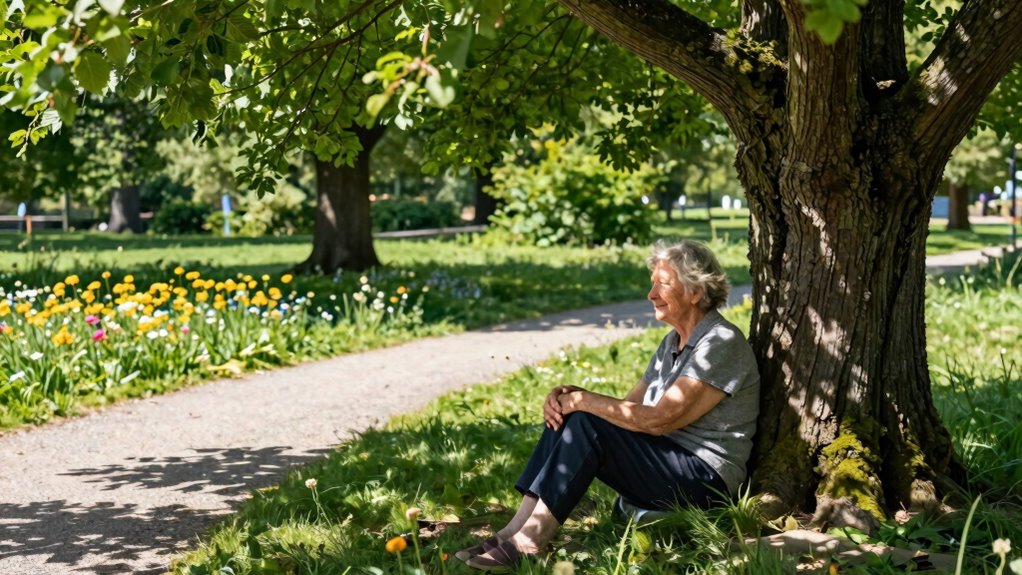
As you age, your skin becomes thinner, less elastic, and more prone to UV damage that speeds up aging signs like wrinkles and age spots. Shade becomes even more important because it blocks a substantial amount of sun and UV rays, reducing the risk of long-term skin damage. Combining shade with sunscreen offers better protection and helps preserve your youthful appearance. Keep going to discover more ways to protect your skin effectively as you grow older.

Get decor and gifts delivered free — and shop member deals
- Fast, free delivery on millions of items
- Access to Prime Big Deal Days deals on October 6–7
- Prime Video, Amazon Music and more included
Key Takeaways
- Skin becomes thinner and more vulnerable to UV damage as we age, making shade essential for protection.
- Shade reduces UV exposure, preventing premature aging signs like wrinkles and age spots in older adults.
- Combining shade with sunscreen offers enhanced protection, crucial as skin sensitivity increases with age.
- Shade helps regulate body temperature and prevent dehydration during outdoor activities for older individuals.
- Prioritizing shaded areas supports long-term skin health and overall well-being with age.
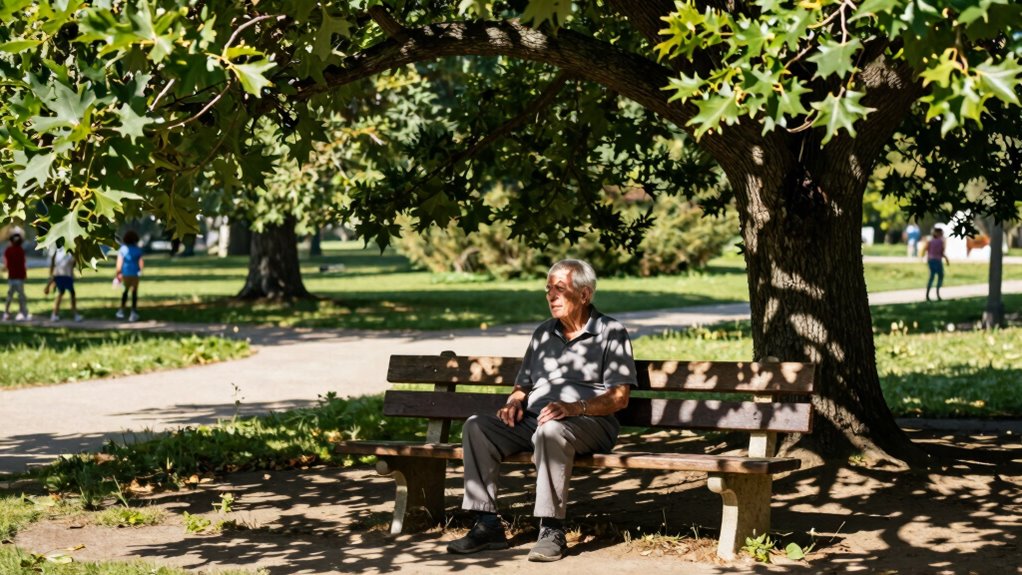
As you spend more time outdoors with age, the importance of shade becomes increasingly clear. When you’re younger, your skin tends to bounce back quickly from sun exposure, but as you get older, that resilience fades. Protecting yourself from the sun isn’t just about avoiding a burn anymore; it’s about safeguarding your skin’s health over the long term. Shade plays a crucial role in sun protection, helping you reduce your exposure to harmful UV rays that accelerate skin aging and increase the risk of skin cancer. When you’re under a tree, an umbrella, or a shaded structure, you effectively block out a significant amount of direct sunlight, giving your skin a break from constant UV bombardment.
With age, your skin becomes thinner and loses elasticity, making it more vulnerable to the damaging effects of the sun. UV rays can cause premature skin aging, leading to wrinkles, fine lines, age spots, and loss of firmness. When you’re in shaded areas, you minimize the UV exposure that causes this damage, helping your skin stay healthier longer. It’s not just about avoiding burns; it’s about preventing the slow, irreversible changes that age your skin prematurely. Shade acts as a barrier, providing a natural filter that reduces the intensity of UV rays reaching your skin. This can make a noticeable difference over time, preserving your skin’s youthful appearance and overall health.
You might think that wearing sunscreen alone is enough, but combining sun protection with seeking shade offers a more comprehensive defense. As you age, your skin becomes more sensitive to the sun, making shade even more vital. It’s especially important during peak hours when the sun’s rays are strongest. By actively seeking shaded areas, you give your skin a chance to recover from the sun’s assault, reducing cumulative damage. Shade also helps regulate your body temperature, preventing overheating and dehydration, which are additional concerns for older adults outdoors. Additionally, incorporating shaded environments into your outdoor routine supports biodiversity by encouraging the preservation of natural shaded habitats like trees and shrubs that benefit both humans and wildlife.
Ultimately, understanding why shade matters more with age helps you make smarter choices when spending time outside. It’s not about avoiding the sun altogether but about balancing exposure with protection. Incorporating shaded spots into your outdoor routine can significantly slow down skin aging and protect your health. When you prioritize shade, you’re investing in your skin’s future, ensuring you enjoy the outdoors longer with fewer worries about the harmful effects of UV radiation. Additionally, recognizing the sensitivity of aging skin to UV rays can motivate more consistent use of shade and protective measures.
Frequently Asked Questions
How Does Shade Impact Vitamin D Absorption as We Age?
Shade reduces your sunlight exposure, which can lower your vitamin D absorption as you age. Since vitamin D is essential for skin health and bone strength, less sun means your body produces less of it. You might notice a decline in skin health over time. To balance safety with benefits, spend some time in direct sunlight, especially during peak hours, while using shade to protect your skin from overexposure.
What Are the Best Types of Outdoor Shade for Elderly Individuals?
Think of outdoor shade options as your personal umbrella in a sunny sky. For elderly individuals, the best types are adjustable canopies, shaded pergolas, and large umbrellas, offering flexible sun protection. Proper shade installation guarantees consistent coverage, preventing harmful UV rays from reaching sensitive skin. By choosing the right shade, you create a cool, safe oasis that encourages outdoor enjoyment without risking sun damage.
Can Shade Help Prevent Heat-Related Illnesses in Older Adults?
Shade can definitely help prevent heat-related illnesses in older adults by providing essential sun protection and keeping temperatures down. When you stay in shaded areas, you reduce exposure to harmful UV rays, which supports skin health. This not only lowers the risk of sunburn and heat exhaustion but also helps maintain overall well-being. Encouraging your loved ones to seek shade guarantees they stay safer and more comfortable during outdoor activities.
How Often Should Outdoor Shaded Areas Be Maintained for Safety?
Like tending a garden, you should regularly maintain outdoor shaded areas to guarantee safety. You need to perform shade maintenance at least twice a year, preferably seasonally, to check for wear and tear. Safety inspections should be done more frequently, ideally every three months, to identify loose supports, tears, or mold. Staying vigilant helps prevent accidents and keeps the shade effective, especially for older adults who rely on it for protection.
Are There Specific Health Conditions That Make Shade More Critical?
Yes, certain health conditions make shade importance more critical for your elder health. If you have cardiovascular issues, diabetes, or skin conditions like psoriasis, you should prioritize seeking shade outdoors. Shade helps prevent overheating, reduces UV exposure, and lowers the risk of sunburn or heat exhaustion. For your safety, always guarantee shaded areas are accessible and sufficient, especially when spending extended time outside, to support your overall well-being.
Conclusion
As you age, the importance of shade becomes clearer—it’s your shield against the sun’s harsh rays and helps you stay comfortable outside longer. Don’t you want to enjoy your outdoor moments without worry? By prioritizing shade, you’re giving yourself the gift of protection and peace of mind. So, next time you step outdoors, ask yourself: isn’t it better to bask in the shade and savor your time outside?
Fall Picks
fall essentials
As an affiliate, we earn on qualifying purchases.