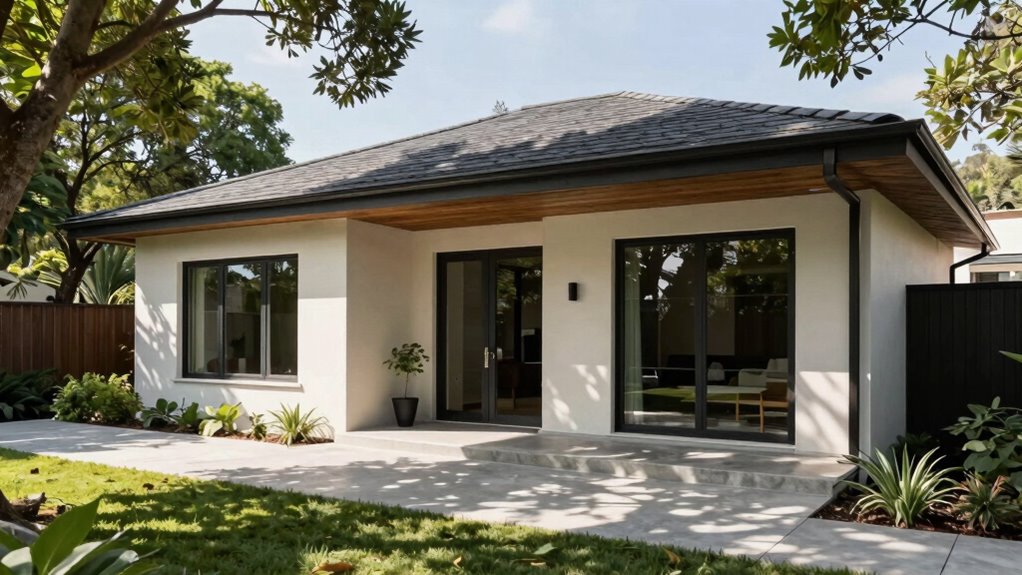

The one design choice that helps homes age better is incorporating universal accessibility features from the start. By planning for wider doorways, step-free entryways, and open layouts, you create a space that’s safe, functional, and adaptable for all mobility levels. These thoughtful elements prevent costly renovations later and guarantee your home remains welcoming over time. Want to discover more smart design strategies to future-proof your space? Keep exploring to learn how you can enhance your home’s long-term comfort and safety.

Get decor and gifts delivered free — and shop member deals
- Fast, free delivery on millions of items
- Access to Prime Big Deal Days deals on October 6–7
- Prime Video, Amazon Music and more included
Key Takeaways
- Incorporating universal design features ensures homes remain functional and safe as residents age or face mobility changes.
- Widening doorways and step-free entries promote easy, hazard-free access for all ages and mobility levels.
- Open floor plans reduce obstacles, enhancing safety and ease of movement over time.
- Using durable, sustainable materials extends the home’s longevity and maintains safety standards.
- Designing for adaptability allows homes to evolve with residents’ changing needs, increasing long-term value.
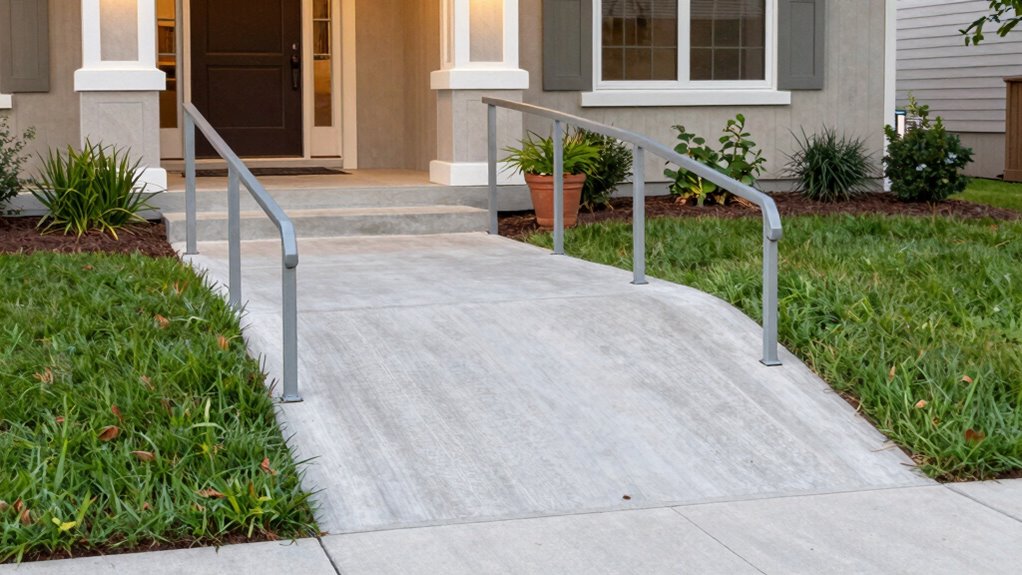
Have you ever wondered how to make aging homes both functional and comfortable for their residents? The key lies in a simple but powerful design choice: prioritizing universal accessibility. When you focus on making homes accessible to everyone, regardless of age or mobility, you create spaces that age gracefully and stay practical over time. This approach isn’t just about installing grab bars or ramps; it’s about rethinking the entire layout and features of the home to ensure safety, ease of movement, and independence. By doing so, you prevent the need for costly renovations later, making the home a welcoming space for years to come.
Incorporating universal accessibility from the outset means you consider features like wider doorways for mobility aids, step-free entryways, and open floor plans that reduce obstacles. These design elements not only improve daily living but also enhance the overall home’s functionality. These adjustments allow residents to move freely without feeling confined or restricted. You also want to think about installing non-slip flooring and strategically placing light switches and outlets for convenience and safety. When you design with accessibility in mind, you eliminate many of the hazards that can turn a home into an unsafe environment as residents age or face mobility challenges. It’s about creating spaces that adapt to changing needs without sacrificing style or comfort. Additionally, choosing sustainable materials that are durable, low-maintenance, and environmentally friendly can improve the longevity and healthfulness of the home environment. Incorporating universal design principles early on can further enhance the home’s adaptability and long-term value, making it an investment that benefits all residents over time. Employing design strategies focused on flexibility can help future-proof homes against evolving needs.
As an affiliate, we earn on qualifying purchases.
Frequently Asked Questions
How Does Universal Design Improve Long-Term Home Value?
Universal design boosts your home’s long-term value by making it adaptable for all ages and abilities. Incorporating smart technology enhances convenience and safety, appealing to modern buyers. Additionally, energy-efficient features lower utility costs, making your home more attractive over time. These elements together guarantee your home remains functional, comfortable, and desirable, no matter how circumstances change, ultimately increasing its market value and appeal for years to come.
Are There Specific Materials That Enhance Aging-In-Place Features?
Think of your home as a well-oiled machine that needs durable parts to run smoothly over time. Using slip-resistant flooring provides a safer footing, especially as balance becomes trickier. Pair that with ergonomic fixtures, which ease daily tasks and reduce strain. These materials act like a sturdy foundation, enhancing your home’s ability to adapt as you age, ensuring safety and comfort without sacrificing style or functionality.
How Can Lighting Be Optimized for Aging Residents?
You can optimize lighting for aging residents by incorporating adjustable lighting controls, allowing easy brightness adjustments. Maximize natural illumination by positioning windows and skylights strategically, reducing reliance on artificial light during the day. Use glare-free fixtures and layered lighting to create a comfortable environment. Ensuring adequate lighting enhances safety and independence, making daily activities easier and reducing fall risks, ultimately supporting a more comfortable, accessible home for aging residents.
What Are Common Design Pitfalls to Avoid for Aging Homes?
Don’t put all your eggs in one basket when designing for aging residents. Avoid cluttered spaces, narrow doorways, and high thresholds that can trip anyone up. Overlooking aesthetic considerations can make homes feel uninviting, so balance functionality with style. Integrate smart technology thoughtfully to enhance safety without compromising design. These pitfalls can turn a welcoming home into a challenging environment, so plan carefully to create a space that’s both beautiful and accessible.
How Does Outdoor Space Design Impact Aging-In-Place Safety?
Outdoor space design greatly impacts your safety as you age-in-place. Ensuring landscape continuity creates smooth, even surfaces, reducing trip hazards. Incorporating privacy enhancement features, like hedges or fences, keeps your space secure and minimizes distractions, helping you stay focused while moving around. Thoughtful design also includes adequate lighting and accessible pathways, making outdoor areas safer, more comfortable, and easier to navigate, fostering independence and peace of mind.
Conclusion
Just like the timeless wisdom of the ages, choosing adaptable design guarantees your home remains vibrant through the years. By prioritizing flexibility and thoughtful planning today, you’re setting the stage for a space that ages gracefully, much like a classic masterpiece. Embrace this design choice now, and you’ll find your home continues to serve and inspire, echoing the enduring elegance of a well-lived life—proof that good design truly stands the test of time.
Fall Picks
fall essentials
As an affiliate, we earn on qualifying purchases.