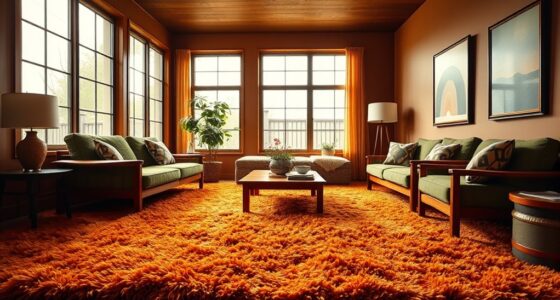
When designers say a home has “good bones,” they mean it has a strong, well-built structure that provides a solid foundation for upgrades and personalization. It often includes a sturdy foundation, quality walls, and a durable roof, ensuring long-term stability. This kind of home also features charming architectural details that add character. Knowing what “good bones” really means helps you see the potential for creating your ideal space. Keep exploring to discover how to make the most of these homes.

Get decor and gifts delivered free — and shop member deals
- Fast, free delivery on millions of items
- Access to Prime Big Deal Days deals on October 6–7
- Prime Video, Amazon Music and more included
Key Takeaways
- The home has a strong, well-constructed foundation and structural elements that ensure durability.
- It offers a solid framework for future renovations and personal customization.
- The house retains original architectural details that add charm and character.
- The construction emphasizes energy efficiency and sustainability, supporting long-term maintenance.
- It provides a reliable base that minimizes costly repairs and increases long-term value.
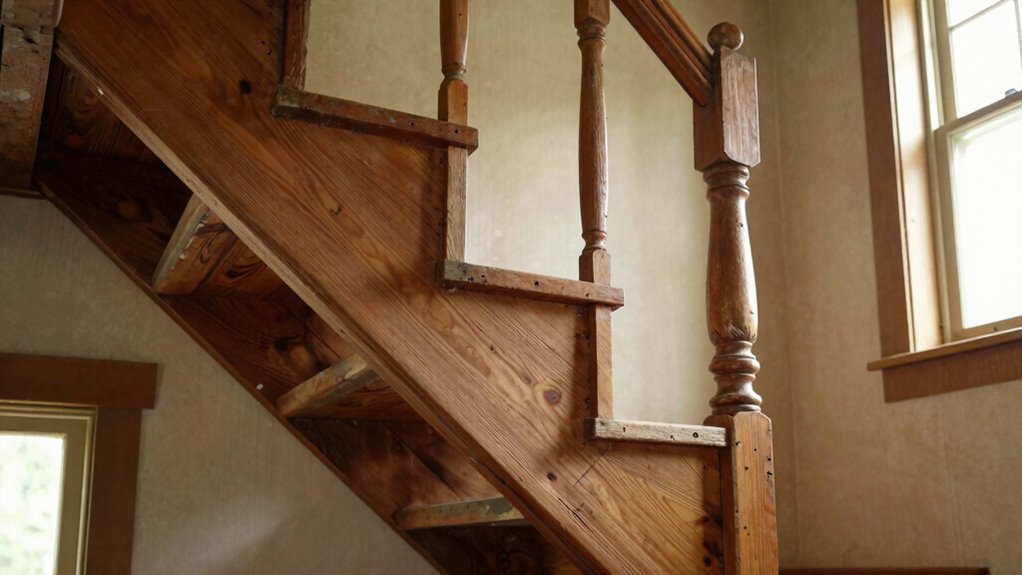
Have you ever wondered what makes a home truly stand out beyond its surface appeal? When designers talk about a home having “good bones,” they’re referring to more than just its aesthetic charm. It’s about the foundational qualities that give a house its strength and potential. First and foremost, “good bones” means the home has solid structural integrity. This isn’t just about looking good on the outside; it’s about the internal framework that holds everything together. A house with good bones has a sturdy foundation, well-built walls, and a roof that’s in good condition. These elements ensure that the home can stand the test of time, withstand weather, and support future upgrades or renovations. Without this solid framework, even the most beautiful façade can hide serious problems that might cost you dearly down the line.
When a designer mentions “good bones,” they’re also thinking about the potential of the home—the possibilities for transforming the space into something personalized and unique. A home with strong structural integrity provides a blank canvas for interior design and aesthetic improvements. You can add modern finishes, tweak layouts, or update fixtures without worrying that fundamental issues will get in the way. The architectural charm of a home often plays a role here, too. Classic details, original moldings, or period-specific features contribute to its character and make the house more than just a building—they make it a reflection of history and craftsmanship. These elements, combined with a solid framework, give a home its authentic appeal and desirability. Additionally, a home with good bones can be more energy-efficient and environmentally responsible, aligning with principles of sustainable living practices. A home that is built with quality construction not only lasts longer but also reduces the need for frequent repairs, saving you money and effort over time. Recognizing the importance of structural integrity can help you make informed decisions when buying or renovating a property.
In essence, when you hear that a home has “good bones,” it’s a reassurance. It means the house isn’t just a pretty face; it’s built on a reliable structure that provides stability and longevity. This foundation allows you to focus on personalizing the space, adding your own style, and making it truly yours. When evaluating potential homes, considering initial construction quality can save you from costly repairs later. A well-constructed home also tends to require fewer major repairs, which translates to less stress and financial burden over time. The value of such a home extends beyond its visual appeal. It’s about knowing that the core of your house is sound, which means fewer surprises and less costly repairs in the future. So, when you’re searching for a home, keep in mind that “good bones” is the key to a house’s enduring charm and resilience—one that’s ready for you to shape into a place you’ll love for years to come.
As an affiliate, we earn on qualifying purchases.
Frequently Asked Questions
Can a Home With “Good Bones” Still Need Extensive Renovations?
Yes, a home with “good bones” can still need extensive renovations. While it has strong architectural integrity and potential for historical preservation, updates might be necessary to meet modern standards or improve functionality. You may find areas that require structural repairs, new wiring, or modernized kitchens and bathrooms. Even with solid foundations, careful renovation guarantees the home’s timeless charm is preserved while making it comfortable and safe for today’s living.
How Do I Identify “Good Bones” During a Home Tour?
During a home tour, you can identify “good bones” by inspecting architectural details like sturdy moldings, classic window frames, and solid flooring. Pay attention to the interior layout—look for a logical, functional flow without major obstructions or awkward spaces. These elements indicate a well-built foundation that can be easily updated. If the structure feels solid and the design timeless, you’re likely looking at a home with good bones.
Does “Good Bones” Refer to the Home’s Structure or Design?
“Good bones” refer to the home’s architectural integrity and structural soundness. When a designer mentions this, they mean the foundation, framing, and key elements like high ceilings or original moldings are solid and well-built. These features provide a strong base for renovation and personalization. You should look for intact walls, quality materials, and a layout that flows well, indicating the house has the essential structural qualities that make updating easier and more rewarding.
Are “Good Bones” More Important Than Cosmetic Updates?
Good bones form the sturdy skeleton beneath the surface, making them more important than cosmetic improvements. Imagine a home with solid framing and foundation—these essentials support stunning interior aesthetics later. While cosmetic updates can refresh a space, they’re temporary. Prioritizing good bones guarantees your home’s core remains strong, providing a lasting canvas for your style. Without solid bones, even the most beautiful decor can’t fully shine.
Can a Home Lacking “Good Bones” Still Be a Good Investment?
Yes, a home lacking “good bones” can still be a good investment if it has historical significance or an appealing architectural style. These features add value and charm that buyers find desirable. You might need to invest in renovations, but the unique character or historic importance can outweigh structural concerns. Focus on the potential for preservation or transformation, and you could turn the property into a highly profitable opportunity.
Conclusion
When a home has “good bones,” it’s like standing inside a timeless sculpture—its sturdy framework, graceful contours, and inviting charm waiting to be brought to life. You can feel the potential echoing through every wall and beam, ready for your personal touch. With a little imagination, that solid foundation becomes more than just a house; it transforms into a warm, welcoming sanctuary where your dreams can truly grow.
Evergreen bestsellers Picks
bestsellers
As an affiliate, we earn on qualifying purchases.