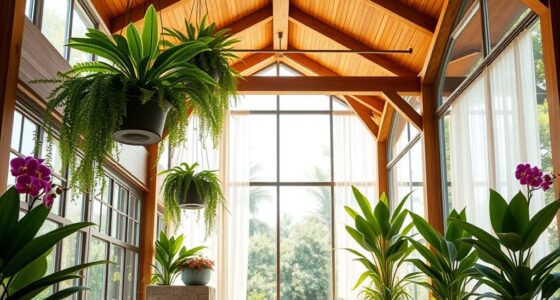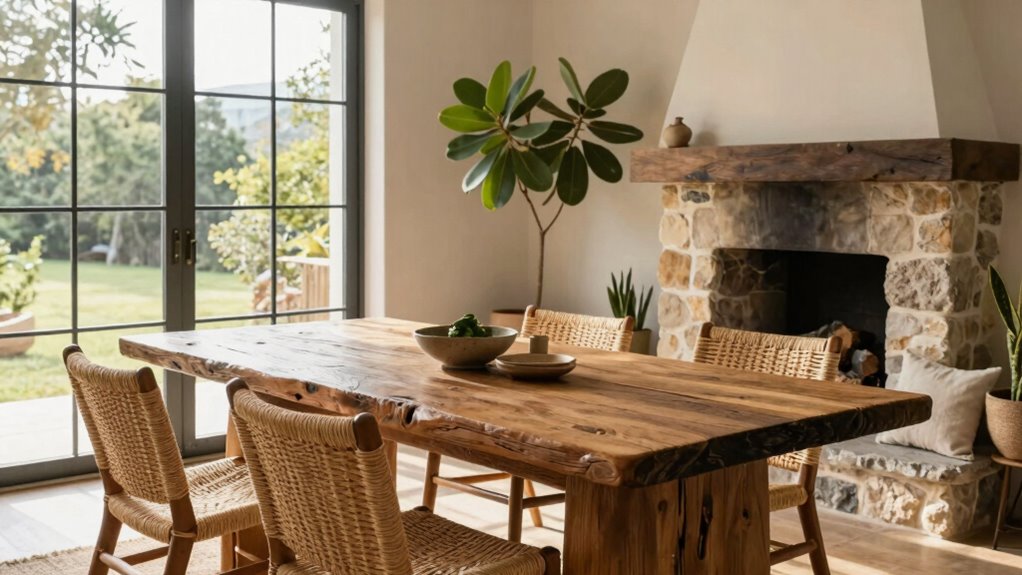

Natural materials still dominate better interiors because they bring authentic warmth, timeless beauty, and a genuine connection to nature that synthetics can’t match. They evoke emotional bonds, age gracefully, and add unique character to your space. These materials also support sustainability and improve indoor air quality, making your environment healthier. By choosing natural elements, you create a space that feels inviting and authentic. Keep exploring how these choices can transform your home into a truly special place.
Key Takeaways
- Natural materials evoke warmth, authenticity, and timeless charm, creating emotionally resonant and inviting interior spaces.
- They offer a meaningful contrast to modern, sterile designs, adding organic texture and grounding aesthetic appeal.
- Natural elements foster a connection to nature, craftsmanship, and sustainable sourcing, supporting eco-friendly practices.
- They enhance indoor air quality and health benefits through minimal processing and VOC-free compositions.
- Over time, natural materials develop unique character and patina, adding depth, storytelling, and enduring beauty to interiors.

Despite the rise of synthetic alternatives, natural materials continue to dominate better interiors because they bring warmth, authenticity, and a timeless appeal that artificial options often lack. While synthetic alternatives can mimic textures or appearances, they rarely evoke the same emotional connection or sense of history that natural materials do. When you choose wood, stone, or linen, you’re not just adding texture—you’re creating an environment that feels genuine and rooted in nature. These materials age gracefully, developing character and unique imperfections over time, which adds to their charm and authenticity. Artificial materials, on the other hand, tend to look uniform and can fall flat in conveying depth or personality.
In a world increasingly obsessed with modern aesthetics, natural materials offer a refreshing contrast. They balance sleek, minimalist designs with organic warmth, preventing spaces from feeling cold or sterile. When you incorporate elements like a wooden accent wall, a marble countertop, or wool throw pillows, you’re grounding the space in something tangible and real. Natural materials have a way of connecting you to the environment, making your home feel more inviting and comfortable. This connection to nature is hard to replicate with synthetic alternatives, which often prioritize durability or cost-efficiency over sensory experience. Additionally, natural materials often support local craftsmanship**** and sustainable sourcing practices, further enhancing their appeal.
You also benefit from the sustainability aspect of natural materials. Many are renewable, biodegradable, and sourced responsibly, aligning with eco-conscious values. Using these materials demonstrates a commitment to environmental health, which resonates with many homeowners today. Plus, natural materials tend to improve indoor air quality, especially when untreated or minimally processed, unlike some synthetic options that may off-gas volatile organic compounds (VOCs). This focus on well-being makes natural choices not only aesthetically pleasing but also healthier for you and your family.
Moreover, natural materials age beautifully, developing a rich patina that tells a story over time. You won’t find this in synthetic alternatives, which often look manufactured and lack individuality. This aging process adds depth and character, making your interior feel more curated and personal. Whether it’s a weathered oak table or handwoven linen curtains, these materials bring a sense of history and authenticity that enhances your overall aesthetic. They don’t just serve a functional purpose—they elevate the ambiance, making your space feel timeless rather than trendy.
In the end, natural materials connect you to tradition, craftsmanship, and the environment. While synthetic alternatives may be easier to maintain or cheaper upfront, they rarely substitute the sensory richness, emotional warmth, and enduring beauty that natural elements provide. Your interior becomes more than just visually appealing; it becomes a genuine reflection of nature’s artistry and your personal style.

Wood Panels for Wall – Oak Acoustic Wall Panels – 4PK Wall Wood Panels – 94.49” x 12 – Soundproof Wood Wall Panels for Decor – Acoustic Slat Wood Wall Panels for Interior Decoration of Walls (Oak)
- Enhances Space with Warmth and Style: Adds texture and character to walls
- Reduces Echo for Better Acoustics: Improves room comfort by softening sound reflections
- Easy and Quick to Install: Mount with screws or staple gun, fits around outlets and corners
As an affiliate, we earn on qualifying purchases.
As an affiliate, we earn on qualifying purchases.
Frequently Asked Questions
Are Natural Materials More Affordable Than Synthetic Options?
Natural materials tend to be more affordable than synthetic options when you consider the overall cost comparison. They often require less maintenance due to their durability, which saves you money over time. While initial prices might sometimes be higher, their long-lasting nature makes natural materials a smart investment. Plus, their timeless appeal can increase your interior’s value, making them a cost-effective choice in the long run.
How Do Natural Materials Perform in High-Humidity Environments?
Natural materials like teak and cedar excel in high-humidity environments because of their humidity resistance and mold prevention qualities. You’ll notice these woods resist warping and decay, maintaining their beauty over time. Unlike synthetic options, they breathe and adapt to moisture levels, helping prevent mold growth. When you choose natural materials, you’re investing in durable, eco-friendly interiors that stay fresh and vibrant, even in the most humid conditions.
Can Natural Materials Be Customized for Modern Interior Designs?
Yes, natural materials can be customized for modern interior designs. You can explore a wide texture variety, from sleek, polished surfaces to rough, tactile finishes, to suit your style. Plus, many natural materials like wood, stone, and clay offer color customization options, allowing you to match or contrast with your color scheme. This flexibility helps you create unique, personalized spaces that blend natural beauty with contemporary aesthetics.
What Are the Maintenance Requirements for Natural Interior Materials?
You might worry about the upkeep of natural materials, but with proper treatment methods and regular cleaning tips, maintaining their beauty is manageable. For instance, seal wood surfaces to prevent staining, and use gentle cleaners on stone or leather. Avoid harsh chemicals, and promptly address spills. With consistent care, natural materials will age gracefully, adding warmth and authenticity to your interior, making them a worthwhile investment despite their maintenance needs.
Are Natural Materials Environmentally Sustainable Long-Term?
Yes, natural materials are environmentally sustainable long-term because they often come from eco-friendly sourcing, reducing harm to ecosystems. They typically have a lower carbon footprint compared to synthetic alternatives, especially when sourced responsibly. By choosing sustainably harvested wood, bamboo, or reclaimed materials, you help promote eco-conscious practices and reduce environmental impact, making natural materials a smart, sustainable choice for long-lasting interior design.
Conclusion
You feel the warmth, the authenticity, the connection that natural materials bring to your space. You crave the timeless beauty, the sustainability, the comfort that only nature can provide. You recognize that natural materials aren’t just design choices—they’re a reflection of your values, your soul, your desire for genuine quality. Embrace these materials, and let your interiors tell a story of harmony, of simplicity, of beauty that lasts. Because, in the end, nature always understands what your space truly needs.