
TL;DR

Get decor and gifts delivered free with Prime
- Fast, free delivery on millions of items
- Prime Video, Amazon Music and more included
- Member-only deals all year
House Beautiful asked design and antiques experts what Gen Z, Millennials and Boomers tend to look for while thrifting. The report describes Gen Z’s interest in distinctive, playful decor, Millennials’ focus on midcentury design and pieces with makeover potential, and Boomers’ preference for nostalgic household goods. The observations are expert-reported trends, not a comprehensive survey of every generation.
Gen Z, Millennials and Boomers often approach secondhand home shopping with different priorities, according to a House Beautiful report based on interviews with antiques and design specialists. The account links Gen Z with unusual, personality-driven decor, Millennials with midcentury pieces and furniture they can remake, and Boomers with nostalgic glassware and durable kitchen goods—an informal snapshot of consumer tastes, not a representative survey.
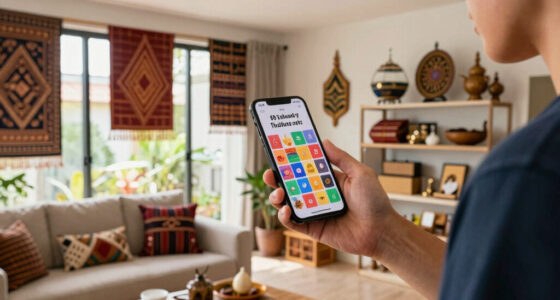
The report presents individuality as a major draw for Gen Z shoppers. Designer Phoenix Grey told House Beautiful that younger buyers are often interested in objects that feel distinctive, playful or nostalgic rather than items chosen primarily as investments. The examples include 1970s and 1980s styles such as chrome, bold colors and sculptural shapes, along with floral patterns, ruffled lampshades and kitschy ceramics. Grey also described a humorous take on “grandmacore” decor.
For Millennials, the article highlights midcentury modern design, original art and the chance to get an item below its retail price. Design influencer Katie Zamprioli said the appeal also includes finding potential in dated furniture or lighting: shoppers may paint, reupholster or update hardware rather than pass an item by. The report connects this interest in DIY and upcycling with a broader effort to maintain personal style while retail prices and living costs make new purchases harder to justify.
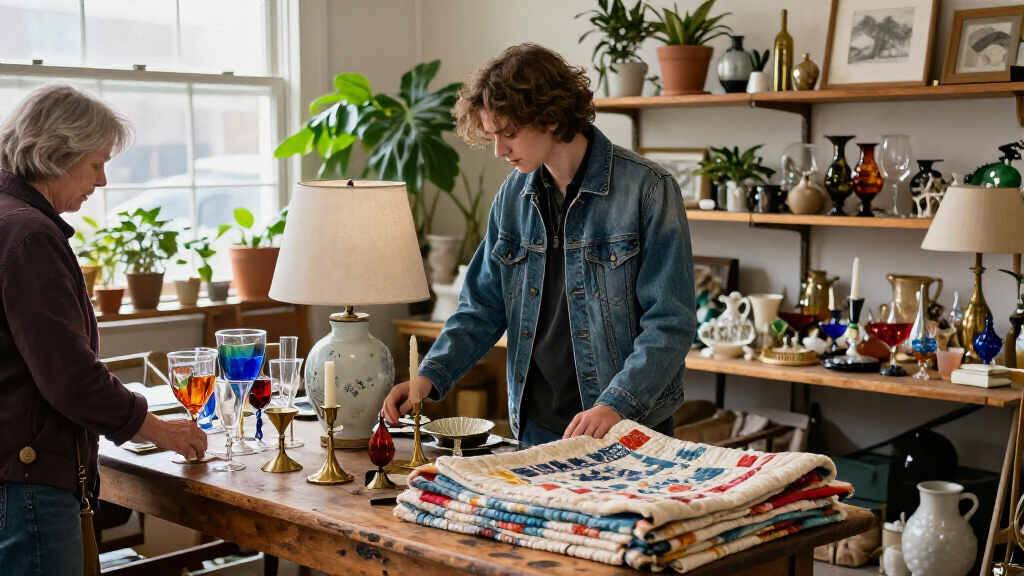
Antiques dealer Virginia Chamlee told the publication that Boomers seek items tied to childhood memories and brands associated with well-made goods. She named hot-air-balloon-embossed Pyrex, candy-colored Depression glass and cast-iron kitchenware as examples. Chamlee also described thrifting as appealing for its hunt and the possibility that some purchases may later gain resale value, while stressing that shoppers need not be buying to resell.
How Generations Shape Thrift Finds
The report offers shoppers a useful way to think about how personal taste, price and nostalgia can shape secondhand purchases. For sellers, estate-sale organizers and resale shops, the examples suggest that one group’s keepsake or project piece may be another shopper’s sought-after find. But the article does not establish that these preferences apply to all members of a generation or predict what will sell in a particular market.
It also reflects the range of reasons people shop used: some want a distinctive object, some want an affordable base for a project, and others are looking for familiar household goods. Those motives can overlap. A vintage lamp, for example, might be valued for its design, its price or the chance to change its appearance.
The source cites figures saying 62% of Gen Z shopped thrifted or consignment goods in the previous year, while 58% browsed pre-owned pieces before considering something new. The supplied article does not identify the underlying survey, its sample or its exact field dates, so the figures should be read with that limitation in mind.
As an affiliate, we earn on qualifying purchases.
The Report’s Expert-Based Snapshot
House Beautiful frames the interest in secondhand shopping against baby boomers downsizing and possessions appearing in estate sales and antique shops. That is the article’s scene-setting explanation for why shoppers may encounter a wide range of older household items; the supplied material does not provide market data quantifying the volume or value of those goods.
The publication asked specialists about generational preferences, including Chamlee, author of Big Thrift Energy, Grey and Zamprioli. Their comments describe what they see in design and resale culture, rather than the findings of a single methodologically detailed study. The report’s generational labels are broad: age alone does not determine taste, and individual preferences may cross the categories it describes.
Some terminology also points to particular design histories. Depression glass refers to inexpensive colored glassware made popular from 1929 to 1941, according to the source. Midcentury modern, by contrast, is presented as a continuing design preference among Millennials, alongside pieces with Victorian-era influence.
“Gen Z thrifts for personality.”
— Phoenix Grey, designer
What the Generational Claims Show
The article does not provide a publication date in the supplied material, nor does it identify the methodology behind the Gen Z shopping statistics. The survey provider, respondent count, geography and precise meaning of “in the last year” are not stated here. The numbers therefore cannot be used to compare generations or establish a trend over time.
The preferences described are expert observations, not a census of secondhand shoppers. House Beautiful does not give comparable purchase rates for Millennials or Boomers, and the supplied excerpt does not include a section describing what Gen X shoppers seek. It would be inaccurate to infer that Gen X has no recognizable preferences or that the three groups listed represent every generation.
Nor does the report establish resale performance. Chamlee says some items may increase in value, but the article does not provide price histories, sales data or guarantees that any named object will appreciate.
What Shoppers Can Watch For
The source describes broad search ideas rather than a formal forecast or upcoming announcement. Readers interested in these styles can use the examples as starting points at thrift stores, estate sales and consignment shops, while checking each item’s condition, price and suitability for their home. The article offers no guarantee that a particular piece will be available or affordable.
House Beautiful’s report does not set out a next research milestone or say whether it will publish further generational data. Better comparisons would require a disclosed survey method and consistent figures for all age groups. Until then, the article’s main takeaway remains a set of attributed expert observations: tastes differ, but the search for a distinctive, useful or meaningful secondhand find cuts across generations.
Key Questions
What does the report say Gen Z looks for secondhand?
Designer Phoenix Grey told House Beautiful that Gen Z shoppers often seek distinctive, playful and nostalgic decor, including bold colors, sculptural shapes, floral prints and kitschy ceramics.
What secondhand items are associated with Millennials?
The report names midcentury modern pieces and original art, as well as furniture or lighting that can be updated through painting, reupholstery or new hardware.
What are Boomers described as seeking?
Antiques dealer Virginia Chamlee cites childhood-era goods and durable products, including hot-air-balloon Pyrex, Depression glass and cast-iron kitchenware.
Does the report cover Gen X preferences?
The supplied article excerpt does not give a specific account of what Gen X shoppers seek. It is not evidence that the generation has no secondhand preferences.
Are the reported generational trends based on a representative survey?
The article relies mainly on expert interviews. It also gives two Gen Z shopping figures, but the supplied source does not identify their survey method or sample, so they should not be treated as a full comparison of generations.
Source: rss
Halloween Picks
halloween
As an affiliate, we earn on qualifying purchases.