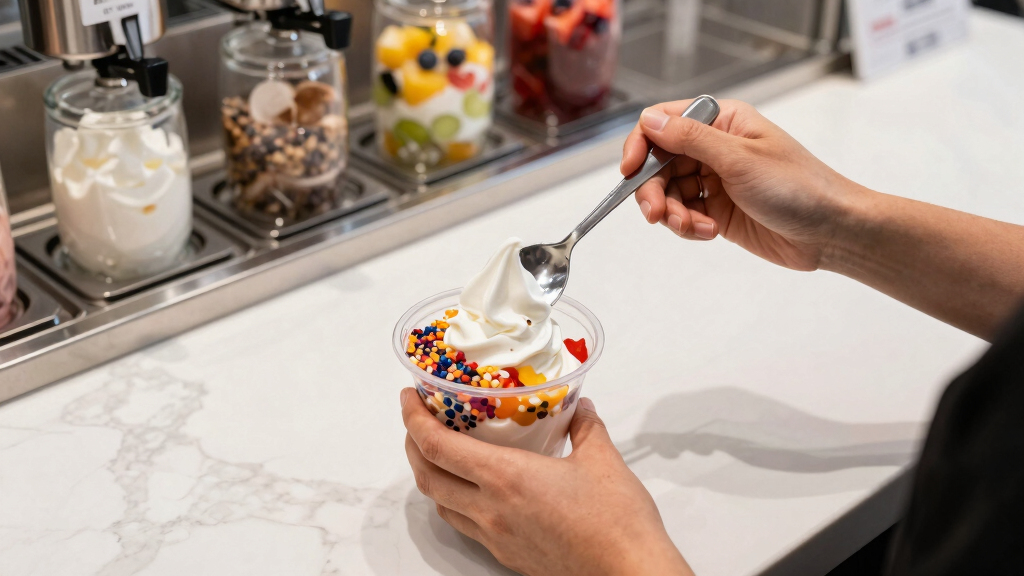

TL;DR
The current froyo renaissance is driven by shifts in consumer preferences towards healthier, customizable options and nostalgic experiences. This analysis examines the factors fueling the trend and what it indicates about broader food industry shifts.
The recent surge in frozen yogurt shops and sales marks what many describe as a froyo renaissance, driven not just by nostalgia but by deeper shifts in consumer preferences for healthier, customizable food options. Industry analysts say this trend reflects broader changes in the food and beverage landscape, emphasizing health, personalization, and current mortgage rates.
Recent data indicates that frozen yogurt sales have increased significantly over the past year, with new store openings and revamped branding. Stay updated with the latest mortgage rates. Experts attribute this growth to consumers seeking healthier alternatives to ice cream, with many valuing the ability to customize their frozen treats. According to market research firm IBISWorld, the frozen yogurt industry saw a 12% revenue increase in 2023, marking a notable rebound after years of stagnation. Industry insiders also point to the nostalgia factor, as brands tap into retro branding and community-focused experiences to attract younger consumers. While some skeptics question whether this is a fleeting trend, proponents argue that the core drivers—health consciousness and personalization—are here to stay, shaping the future of frozen desserts.Major chains like Pinkberry and Menchie’s have introduced new health-focused options, including dairy-free and low-sugar varieties, aligning with consumer demand for wellness-oriented treats. Additionally, independent shops are leveraging social media and local branding to build community loyalty. The trend also coincides with a broader shift toward functional foods and experiential dining, where consumers prioritize not just taste but also health benefits and social engagement.
Why the Froyo Revival Reflects Broader Food Trends
This froyo renaissance exemplifies a larger shift toward health-conscious eating and personalized food experiences. The trend indicates that consumers increasingly favor treats that align with wellness goals, such as low sugar, dairy-free, or probiotic-rich options. It also highlights a move away from traditional fast-food consumption toward more social, community-oriented dining experiences. For the industry, this means brands must innovate with healthier ingredients and engaging store concepts to stay relevant. The trend’s persistence suggests that health and customization will continue to influence food choices, shaping future product development and marketing strategies across categories.As an affiliate, we earn on qualifying purchases.
The Evolution of Frozen Yogurt and Consumer Preferences
Frozen yogurt first gained popularity in the early 2000s as a healthier alternative to ice cream, with brands like Pinkberry pioneering the trend. After a decline in the late 2010s, the market stagnated amid rising health concerns and competition from other dessert options. However, the past two years have seen a resurgence, driven by consumers seeking healthier, more personalized treats. This revival aligns with the broader wellness movement, which emphasizes functional foods, transparency, and experiential dining. Industry reports note that the COVID-19 pandemic accelerated interest in comfort foods and nostalgic brands, further fueling the froyo comeback. Meanwhile, new entrants and existing brands are innovating with dairy-free, low-sugar, and probiotic options, appealing to health-conscious demographics.
“We’re seeing a real increase in demand for dairy-free and low-sugar options, which is transforming how we approach product development.”
— Mark Johnson, Froyo Chain Owner
Uncertain Longevity of the Froyo Trend
It is not yet clear whether the current froyo revival will sustain long-term growth or remain a seasonal spike. Some industry experts caution that the trend could fade if new competitors or shifting consumer interests emerge. Additionally, it remains uncertain how economic factors, such as inflation or supply chain disruptions, might impact the affordability and availability of healthier ingredients, potentially influencing future sales.
Future Developments and Industry Adaptations
Industry players are expected to continue innovating with healthier ingredients and experiential store concepts. Brands may also expand into new markets or develop product lines that emphasize functional health benefits. Monitoring consumer feedback and sales data over the coming months will clarify whether the froyo renaissance is a lasting shift or a temporary trend. Additionally, broader food industry trends toward health and personalization suggest that frozen yogurt will remain a relevant segment, albeit with evolving offerings.
Key Questions
What is driving the current froyo resurgence?
The resurgence is primarily driven by consumer demand for healthier, customizable treats, along with nostalgia and experiential dining preferences, according to industry experts.
Are healthier options like dairy-free and low-sugar products becoming more popular?
Yes, many brands are introducing and promoting dairy-free, low-sugar, and probiotic-rich options to meet health-conscious consumer preferences.
Is this trend expected to last?
It is uncertain. While current growth suggests a lasting shift toward health and personalization, some analysts caution that trends can fade without sustained consumer interest and innovation.
How are businesses adapting to this trend?
Businesses are expanding healthier product lines, leveraging social media for community engagement, and creating store experiences that emphasize wellness and personalization.
Does the froyo trend reflect broader food industry changes?
Yes, it mirrors a wider movement toward functional, health-focused, and personalized foods across the sector.
Source: rss