To improve your indoor air quality and comfort, you should focus on proper ventilation and filtration. Ventilation brings in fresh outdoor air, dilutes indoor pollutants, and removes stale air through systems like exhaust fans or heat recovery ventilators. Filtration, especially with HEPA filters, captures airborne particles like dust, pet dander, and bacteria. Combining these strategies creates a healthier, more comfortable environment. Keep exploring to discover practical ways to optimize your home air quality further.
Key Takeaways
- Proper ventilation introduces fresh outdoor air, dilutes indoor pollutants, and maintains indoor air freshness.
- Air filtration, especially HEPA filters, captures airborne particles like dust, pet dander, and allergens.
- Combining ventilation and filtration effectively reduces indoor pollutants and improves overall air quality.
- Maintaining balanced humidity levels with humidifiers or dehumidifiers prevents mold growth and irritations.
- A holistic approach integrates ventilation, filtration, and humidity control for optimal indoor air comfort.

Have you ever wondered how the air inside your home affects your comfort and health? The quality of indoor air directly impacts how you feel each day, influencing everything from your energy levels to your susceptibility to allergies. One effective way to improve your indoor environment is through proper ventilation and filtration systems. These systems work together to remove pollutants, regulate humidity, and bring in fresh air, making your living space healthier and more comfortable.
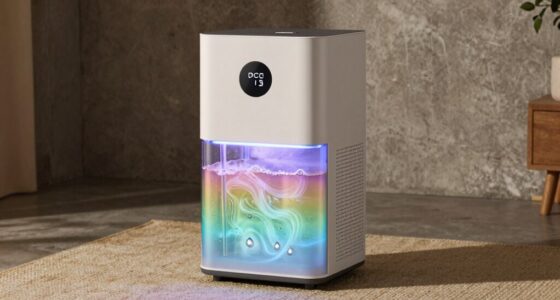
An air purifier is a key tool in maintaining clean indoor air. It captures airborne particles like dust, pet dander, mold spores, and even bacteria, preventing them from circulating around your home. When choosing an air purifier, look for models with HEPA filters, which are highly effective at trapping tiny particles that can irritate your lungs and trigger allergies. Using an air purifier consistently can considerably reduce airborne irritants, especially in areas where outdoor air quality is poor or where indoor sources like smoking or cooking produce pollutants. This not only improves your breathing but also creates a more pleasant environment overall.
An air purifier with HEPA filters effectively reduces airborne pollutants for healthier indoor air.
Humidity control plays a critical role in indoor air quality. Too much moisture can lead to mold growth and dust mites, which worsen allergy symptoms and promote respiratory issues. Conversely, low humidity can dry out your skin, irritate your throat, and increase static electricity. Maintaining ideal humidity levels—generally between 40% and 60%—creates a balanced environment that discourages mold and dust mites while keeping your skin and respiratory passages comfortable. A humidifier or dehumidifier can help you achieve this balance, especially during seasonal changes when indoor air tends to fluctuate. Proper humidity control not only enhances comfort but also preserves the integrity of your furniture and electronics.
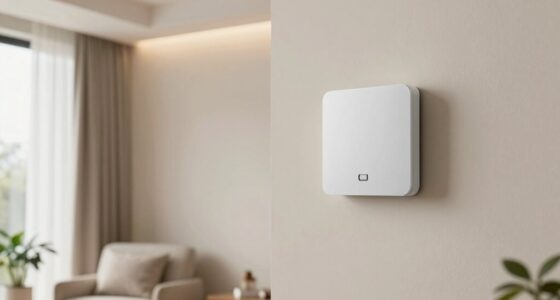
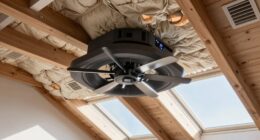
Ventilation complements both air purification and humidity regulation by ensuring a constant flow of fresh air into your home. Bringing in outside air dilutes indoor pollutants and helps balance humidity levels naturally. Mechanical ventilation systems, such as exhaust fans and heat recovery ventilators, actively manage airflow, remove stale air, and introduce fresh air without sacrificing energy efficiency. When you combine ventilation with an air purifier and humidity control, you create a holistic approach to indoor air quality. This trio reduces airborne contaminants, stabilizes moisture levels, and keeps your living environment fresh and healthy.
In the end, paying attention to these elements—using an air purifier, controlling humidity, and ensuring proper ventilation—empowers you to create a healthier, more comfortable indoor space. You’ll notice an immediate difference in how you breathe, sleep, and feel during your day, making your home truly a sanctuary from the outside air’s unpredictability.
Frequently Asked Questions
How Often Should Ventilation Systems Be Serviced?
You should service your ventilation system at least twice a year, ideally in spring and fall, to maintain an effective maintenance schedule. Regular servicing guarantees your system operates efficiently, improves indoor air quality, and extends its system longevity. Don’t forget to check filters and clean vents during each maintenance. Staying consistent with these visits helps prevent costly repairs and keeps your indoor environment fresh and healthy year-round.
Do Air Purifiers Eliminate All Indoor Pollutants?
Air purifiers don’t eliminate all indoor pollutants, so don’t expect them to be perfect. While they improve air quality, air purifier limitations mean some particles and gases may still linger. Their pollutant removal efficiency varies depending on the model and filters used. To maximize indoor air quality, combine an air purifier with proper ventilation and source control. Remember, no single device can fully purify indoor air on its own.
What Is the Ideal Humidity Level for Indoor Air?
The ideal humidity level for indoor air is between 30% and 50%. Proper humidity control helps you maintain balanced air moisture, preventing mold growth and reducing dust mites. When air moisture is too high, you might feel stuffy or damp, while too low causes dryness and irritation. Use a hygrometer to monitor humidity levels, and adjust with humidifiers or dehumidifiers to keep your indoor environment comfortable and healthy.
How Can I Improve Ventilation in Small Spaces?
To improve ventilation in small spaces, you should maximize natural airflow by opening windows and doors whenever possible. Use ventilation strategies like exhaust fans or air circulators to enhance air exchange. Keep interior doors open to allow better airflow between rooms, and consider installing a small air purifier with a HEPA filter to eliminate pollutants. These steps help guarantee fresh air circulates effectively, improving overall indoor air quality.
Are There Eco-Friendly Filtration Options Available?
Yes, eco-friendly filters are available for sustainable ventilation. You can choose filters made from biodegradable materials or those with low environmental impact, such as activated charcoal or plant-based fibers. These options effectively improve air quality while reducing waste and energy use. By selecting eco-friendly filters, you support sustainability and guarantee healthier indoor environments, especially in small spaces where air circulation is vital.
Conclusion
By now, you see how proper ventilation and filtration can make all the difference in indoor air quality and comfort. Don’t wait until problems blow up in your face—take action now. When you keep the air flowing and clean, you create a healthier space where you can breathe easy. Remember, it’s better to be safe than sorry; a little effort today keeps the air fresh and your comfort level high tomorrow.