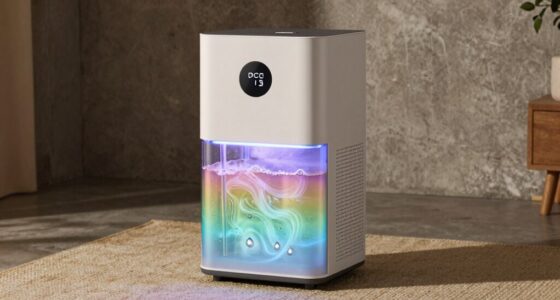

To achieve thermal comfort indoors, you need to balance temperature and humidity carefully. Keep your thermostat set to a comfortable level, usually between 68-72°F, and use humidifiers or dehumidifiers to maintain humidity around 40-60%. Proper ventilation, air filtration, and humidity control help prevent discomfort and promote healthier air quality. When these factors are optimized, your space feels just right. Stay tuned to discover how smart technology makes managing this balance even easier.

Get decor and gifts delivered free — and shop member deals
- Fast, free delivery on millions of items
- Access to Prime Big Deal Days deals on October 6–7
- Prime Video, Amazon Music and more included
Key Takeaways
- Maintain a consistent indoor temperature using efficient HVAC systems and smart thermostats.
- Control indoor humidity levels between 40-60% to prevent discomfort and mold growth.
- Ensure proper ventilation and air filtration to remove pollutants and excess moisture.
- Use real-time monitoring devices to adjust climate settings for optimal comfort.
- Incorporate energy-efficient solutions to balance thermal comfort with sustainable indoor environments.
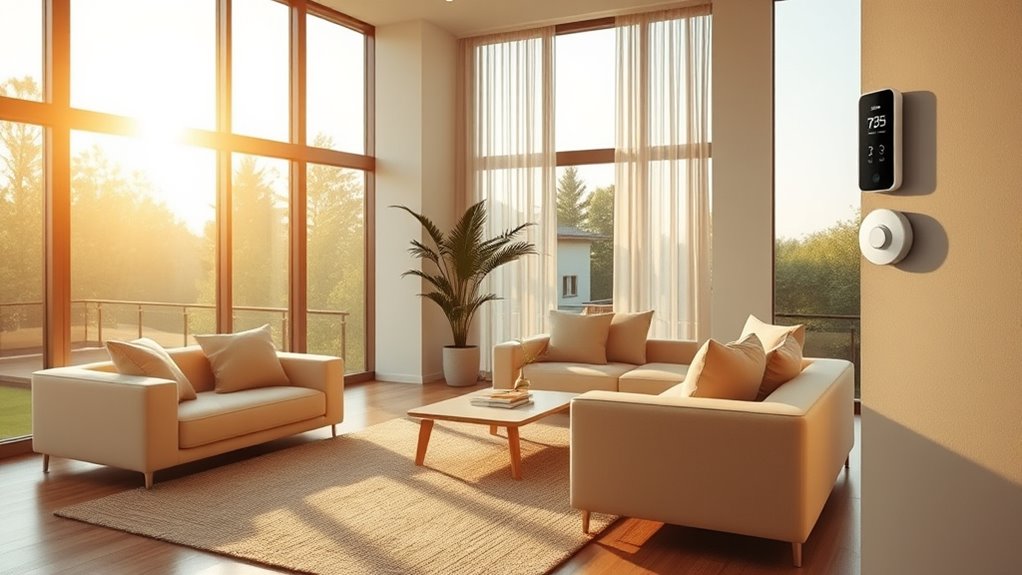
Have you ever wondered why some indoor environments feel just right while others make you want to leave? The secret often lies in achieving the perfect balance of thermal comfort, which involves managing both temperature and humidity. When your indoor space is well-optimized, it not only feels comfortable but also promotes better health and productivity. One key factor in creating this ideal environment is paying attention to indoor air quality. Good air quality ensures that pollutants, allergens, and excess moisture are kept at bay, making the space more inviting and healthier to stay in. When indoor air quality is compromised, it can lead to discomfort, respiratory issues, and a general feeling of stuffiness, even if the temperature is just right. That’s why proper ventilation, air filtration, and humidity control are essential components of thermal comfort.
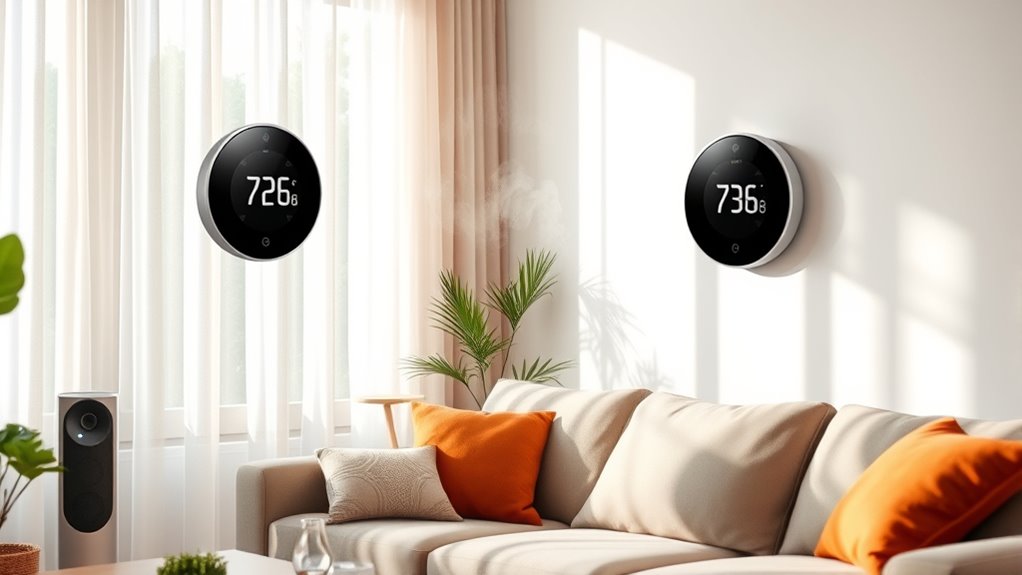
Energy efficiency plays a significant role in maintaining a comfortable indoor climate. When your heating, ventilation, and air conditioning (HVAC) systems operate efficiently, they consume less energy while delivering excellent performance. This not only reduces your utility bills but also minimizes environmental impact. An energy-efficient system adapts to changing conditions, adjusting airflow and temperature settings to ensure you’re neither overheating nor feeling cold. Furthermore, energy-efficient solutions often incorporate smart thermostats and sensors that monitor indoor air quality, temperature, and humidity levels in real-time. These technologies allow you to fine-tune your environment, ensuring it remains consistently comfortable without wasting energy. Additionally, understanding the different types of air filters and their effectiveness can help improve indoor air quality and maintain a balanced environment.
smart thermostat for indoor climate control
As an affiliate, we earn on qualifying purchases.
As an affiliate, we earn on qualifying purchases.
Frequently Asked Questions
How Does Outdoor Climate Influence Indoor Thermal Comfort?
Outdoor climate influences your indoor thermal comfort through outdoor air quality and solar radiation. Poor air quality can reduce ventilation effectiveness, making indoor air feel stuffy or contaminated. Solar radiation heats your building, increasing indoor temperatures and challenging your cooling efforts. You can improve comfort by using shading, ventilation, and air filtration systems to counteract these outdoor effects, ensuring a more stable and pleasant indoor environment regardless of outside conditions.
What Role Do Personal Preferences Play in Setting Indoor Temperatures?
Personal preferences profoundly influence your indoor temperature choices, as your personal comfort determines what feels just right. You might prefer a cooler climate or a warmer environment, shaping how you set thermostats or adjust clothing. Recognizing individual preferences helps create cozy, comfortable spaces that cater to everyone’s unique needs. Ultimately, your personal comfort guides the temperature setting, ensuring your indoor environment feels perfect for you.
Can Plants Improve Indoor Thermal Comfort Levels?
Yes, plants can improve indoor thermal comfort levels. Indoor greenery, through plant transpiration, releases moisture into the air, which can help increase humidity and make the environment feel cooler and more comfortable. By adding plants, you also benefit from improved air quality and a calming atmosphere, creating a more balanced indoor climate. Keep in mind that the right amount of plants can make a noticeable difference in your space.
How Do Different Building Materials Affect Indoor Humidity?
Think of building materials as silent guardians of your indoor air. Their properties dictate how they absorb, release, or trap moisture, acting like a sponge or a shield. Materials with good moisture regulation features, like wood or concrete, help keep humidity levels steady, preventing dampness or dryness. Choosing the right materials guarantees your space feels just right, creating a cozy environment where humidity dances in harmony with your comfort.
What Are the Health Risks of Improper Thermal Comfort?
When you experience improper thermal comfort, you risk health issues like thermal stress, which can cause fatigue, headaches, and dehydration. Poor thermal conditions also affect air quality, increasing the likelihood of respiratory problems and allergies. If you don’t maintain proper indoor temperature and humidity, you may feel uncomfortable and vulnerable to illnesses, making it essential to balance these factors for your overall well-being and to prevent long-term health risks.
Conclusion
As you walk into a room where the air feels just right, it’s like everything aligns perfectly—temperature and humidity in harmony, creating a cozy embrace. When you master thermal comfort, it’s as if the environment naturally adjusts around you, turning your space into a sanctuary. You might find yourself smiling at the subtle balance, unaware of how these unseen factors quietly influence your day. It’s a reminder that comfort often comes from the smallest, most perfect coincidences.
Fall Picks
fall essentials
As an affiliate, we earn on qualifying purchases.