
TL;DR

Get decor and gifts delivered free — and shop member deals
- Fast, free delivery on millions of items
- Access to Prime Big Deal Days deals on October 6–7
- Prime Video, Amazon Music and more included
Some dimes in circulation are valuable due to rare minting errors, potentially worth much more than their face value. Collectors advise careful verification before sale. The discovery highlights the importance of rare coin identification.
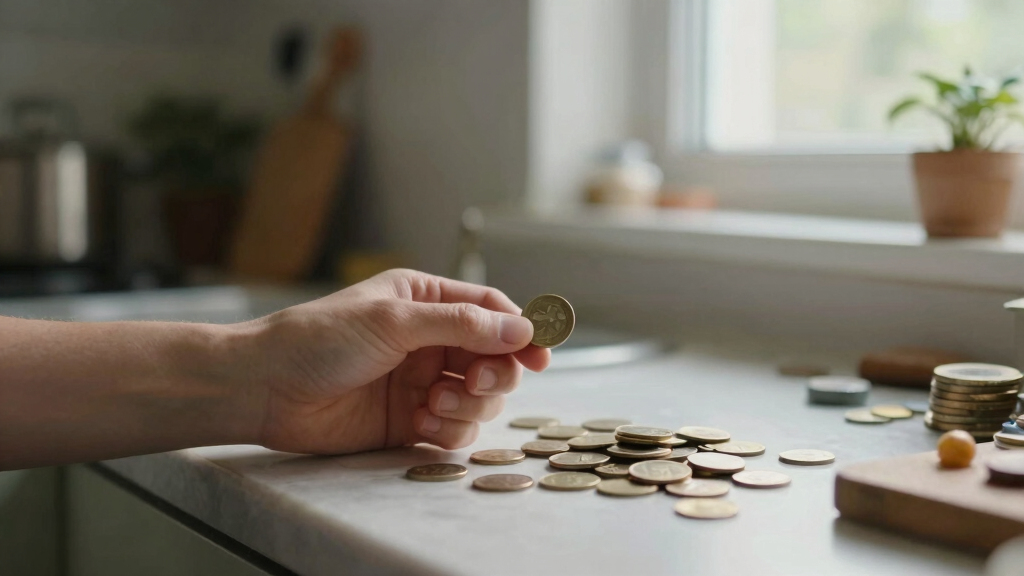
Several rare dime coins with minting errors have been identified in circulation, with some potentially worth hundreds or thousands of dollars—far exceeding their face value of 10 cents. Coin collectors and experts warn that while these coins are valuable, verifying authenticity is crucial before attempting to sell or trade them.
Recent reports from coin collectors and numismatic experts indicate that certain dimes, particularly those with specific minting errors such as doubled dies or off-center strikes, are surfacing in circulation. These errors, which occur during the minting process, can significantly increase a coin’s value. Some of these rare error coins have been sold at auctions for hundreds or even thousands of dollars, compared to their nominal face value.
Experts emphasize that not every dime with a minor flaw is valuable—only those with specific, identifiable errors are worth more. The U.S. Mint has acknowledged the existence of some error coins but cautions against attempting to sell unverified specimens. Collectors advise inspecting coins carefully, using magnification, and consulting reputable guides or professionals before selling or trading.
While the phenomenon has gained attention among numismatic circles, it remains uncertain how widespread these error coins are and how many are still in circulation. The discovery has prompted a renewed interest in coin collecting and the importance of proper identification.
Why Rare Error Coins Could Be a Valuable Find
This development matters because it highlights how everyday objects, like pocket change, can have hidden value due to rare manufacturing errors. For collectors, identifying these coins can lead to significant financial gains. For the general public, it raises awareness about the importance of verifying coin authenticity and understanding numismatic value, which can influence buying, selling, and collecting practices.
Moreover, the surge in reported error coins underscores the ongoing importance of careful inspection and expert consultation in coin collecting. It also emphasizes the need for consumers to be cautious of scams or misrepresented coins in the marketplace.
magnifying glass for coin inspection
As an affiliate, we earn on qualifying purchases.
As an affiliate, we earn on qualifying purchases.
Background on Minting Errors and Coin Collecting Trends
Minting errors have long been a fascination for coin collectors, with some error coins fetching high prices at auctions. Errors such as doubled dies, off-center strikes, and planchet flaws are among the most sought after. Historically, such errors are rare and often discovered years after the coins enter circulation.
In recent years, increased interest in coin collecting and the availability of magnification tools have led to more error coins being identified by the public. The U.S. Mint has periodically released statements about error coins, but most errors are accidental and not intended for circulation. The current wave of discovery appears to be linked to increased circulation and the public’s growing knowledge of error types.
While some error coins are well-documented and highly valued, many remain unrecognized or undervalued, creating a dynamic market for collectors and investors.
“Certain error coins, especially those with doubled dies or off-center strikes, can be worth hundreds or even thousands of dollars. But verifying authenticity is key.”
— Jane Smith, coin expert at NumisCollect
Extent and Circulation of Error Dimes Still Unknown
It is not yet clear how many error coins are in circulation or how frequently they are being discovered. The true market value of these error dimes varies widely depending on the specific error, condition, and provenance. There is also uncertainty about how many error coins remain unrecognized or unsold in private collections.
Experts caution that more research is needed to determine the scope of these error coins and their long-term market impact.
Next Steps for Collectors and the Public
Collectors are advised to carefully examine their coins, especially those with visible anomalies, and seek professional appraisal if they suspect an error. Auction houses and coin shops are expected to see increased interest in error coins, which may lead to more sales and discoveries.
The U.S. Mint may also release additional guidance or official listings of known error coins. Ongoing research and community reporting will help clarify the scope of these error coins and their value.
Key Questions
How can I tell if my dime is an error coin?
Look for obvious anomalies such as doubled images, off-center strikes, or unusual markings. Using magnification tools and comparing your coin with official guides can help identify errors. Consulting a professional coin grader is recommended for verification.
Are all error coins valuable?
No. Only certain types of errors, such as doubled dies or off-center strikes, are highly sought after and can be worth hundreds or thousands of dollars. Minor flaws typically do not increase a coin’s value significantly.
Should I try to sell my error coin now?
Before selling, have your coin appraised by a reputable expert or grading service. Avoid rushed sales or unverified listings, as the market for error coins can be volatile and dependent on authenticity.
How common are error coins in circulation?
Error coins are relatively rare but can occasionally be found in circulation. The exact prevalence is unknown, and many error coins are still in private collections or awaiting discovery.
Does the U.S. Mint acknowledge these error coins?
The U.S. Mint recognizes that errors happen but advises the public to verify and seek expert opinion before claiming significant value or attempting to sell error coins.
Source: rss
Fall Picks
fall essentials
As an affiliate, we earn on qualifying purchases.