
TL;DR

Get decor and gifts delivered free — and shop member deals
- Fast, free delivery on millions of items
- Access to Prime Big Deal Days deals on October 6–7
- Prime Video, Amazon Music and more included
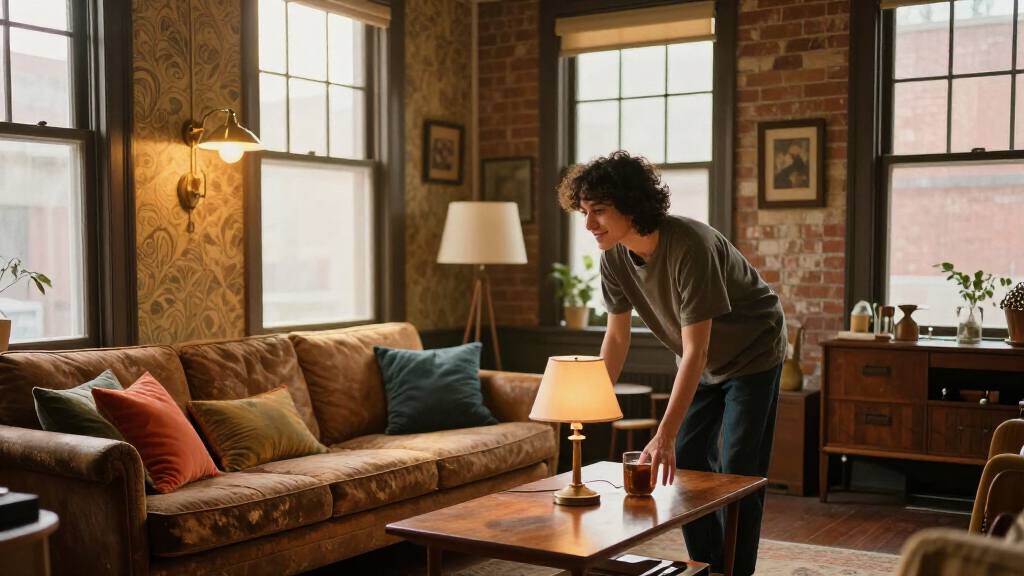
A rental apartment in New York City dating from the 1910s is attracting interest due to its numerous upgrade opportunities. While the property remains a rental, tenants can enhance its value through various improvements. This trend signals growing attention to historic apartments and renovation potential in NYC’s rental market.
A historic rental apartment from the 1910s in New York City is drawing increased attention for its potential upgrades, even for tenants who do not own the property. This development underscores a rising interest in improving and modernizing older apartments in NYC’s rental market, highlighting opportunities for tenants to enhance their living spaces without ownership rights.
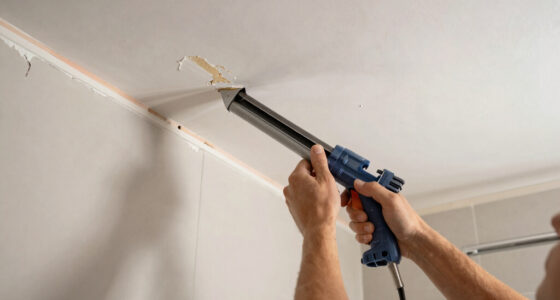
The apartment, located in a building constructed in the early 20th century, features original architectural details typical of the 1910s. While the property remains a rental, recent discussions and online interest have focused on the possibility of making upgrades such as modernizing kitchens, updating electrical systems, and improving insulation. Experts note that tenants can often pursue certain improvements—like installing smart home devices or adding temporary fixtures—without violating lease agreements, provided they follow proper procedures and seek landlord approval where necessary.
Sources indicate that the trend is partly driven by a broader movement among tenants seeking to personalize and improve older, historic apartments. This interest is fueled by the appeal of maintaining the building’s historic charm while integrating modern conveniences. However, specific regulations about permanent modifications vary by landlord and building type, and some upgrades may require approval or be limited by lease terms.
Why Upgrading Historic Rentals Matters for Tenants and the Market
This trend highlights a shift in tenant behavior toward investing in their rental spaces, even without ownership rights. Such upgrades can improve quality of life, energy efficiency, and aesthetic appeal, making older apartments more livable and desirable. For the broader market, increased tenant-led renovations could influence building maintenance practices and spark a renewed appreciation for historic architecture in NYC’s rental sector. It also raises questions about the balance between tenant improvements and landlord rights, especially in buildings with historic designations.
smart home devices for rental apartments
As an affiliate, we earn on qualifying purchases.
As an affiliate, we earn on qualifying purchases.
Background
Many buildings in New York City constructed in the 1910s feature distinctive architectural details and craftsmanship that have persisted for over a century. While some owners have undertaken extensive restorations, tenants historically had limited scope for improvements. Recently, however, there has been a surge in interest—both from tenants and preservation advocates—in making upgrades that respect the historic character while adding modern amenities. This trend appears to be part of a larger cultural shift toward valuing historic architecture and sustainable renovation practices.
Search interest in historic NYC rentals and related upgrade opportunities has increased, though this trend remains unconfirmed as an organized movement. It is driven by a combination of rising rental prices, tenant activism, and a desire to preserve the city’s architectural heritage while adapting it for contemporary living.
Extent and Limitations of Tenant Upgrades in Historic NYC Buildings
It is not yet clear how widespread this trend will become or how many landlords will permit upgrades in historic buildings. Specific regulations about what tenants can modify without ownership rights vary by property, and some improvements may be restricted by historic preservation rules or lease agreements. The scope of what tenants can do independently remains uncertain, and further guidance from building management or legal experts is needed.
Future of Tenant-Driven Upgrades in NYC’s Historic Rentals
Expect ongoing discussions among tenants, landlords, and preservation groups about permissible upgrades. As interest grows, more buildings may develop formal policies or programs to facilitate upgrades that respect historic features. Monitoring legal and regulatory developments will clarify what improvements tenants can pursue and how these might influence the preservation and modernization of NYC’s historic apartment stock.
Key Questions
Can tenants make permanent upgrades to historic NYC rentals?
Generally, tenants can make certain improvements with landlord approval, such as installing smart devices or temporary fixtures. Permanent modifications often require explicit permission and must comply with lease terms and preservation rules.
Are there risks involved in upgrading a rental apartment from the 1910s?
Yes, tenants risk violating lease agreements or preservation restrictions if they undertake unauthorized modifications. It’s advisable to consult with landlords and preservation authorities before making significant changes.
Will these upgrades increase the rental value or appeal?
Potentially, yes. Upgrades that enhance comfort, energy efficiency, or aesthetic appeal can make historic apartments more attractive to future tenants and possibly justify higher rent prices.
Are there legal protections for tenants wanting to upgrade historic apartments?
Legal protections vary by building and lease, but tenants often have rights to make certain improvements. Consulting legal or tenant advocacy groups can clarify permissible modifications.
Is this trend specific to NYC or happening elsewhere?
While this article focuses on NYC, similar trends in historic preservation and tenant-led upgrades are emerging in other cities with significant historic architecture.
Source: rss
Fall Picks
fall essentials
As an affiliate, we earn on qualifying purchases.