When deciding which home fix to prioritize, focus on safety, comfort, and long-term savings first. Address urgent issues involving electrical, plumbing, or structural safety before tackling cosmetic repairs. Consider energy efficiency improvements like sealing leaks and upgrading insulation to save money later. Assess your budget and break big repairs into phases to manage costs effectively. Align your choices with your long-term home goals. Keep exploring to discover how to create a strategic plan tailored to your needs.

Get decor and gifts delivered free with Prime
- Fast, free delivery on millions of items
- Prime Video, Amazon Music and more included
- Member-only deals all year
Key Takeaways
- Prioritize safety-related repairs involving electrical, plumbing, or structural issues first.
- Focus on fixes that enhance safety, comfort, and long-term savings for immediate benefits.
- Address energy efficiency upgrades early to reduce ongoing utility costs.
- Assess repair costs and available budget, breaking large projects into manageable phases.
- Align repair priorities with your long-term home goals, whether for safety, sale, or comfort.
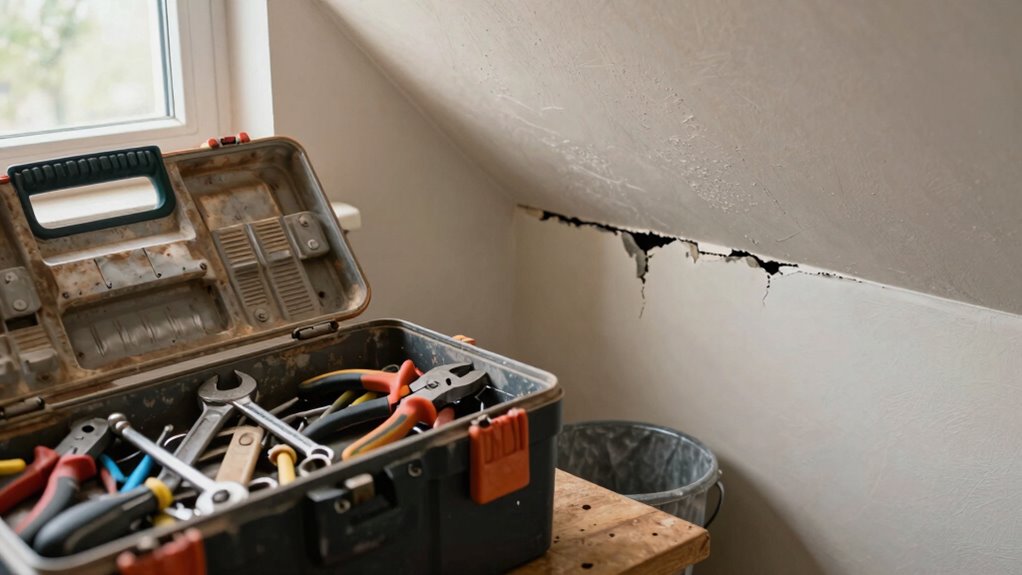
When facing multiple home repairs, figuring out which fix to tackle first can feel overwhelming. You might look at a long list of issues and wonder where to begin, especially when each repair seems urgent or important. To make a smart decision, start by evaluating the impact each fix will have on your home’s safety, comfort, and long-term costs. This approach helps you prioritize repairs that offer the most significant benefits upfront, saving you time and money down the road.
Prioritize home repairs by safety, comfort, and long-term savings to make smart, effective decisions.
One key factor to consider is energy efficiency. Some repairs, like sealing leaks, upgrading insulation, or installing energy-efficient windows, can significantly lower your utility bills and improve your home’s comfort. These improvements might require an upfront investment but pay off quickly through lower energy costs. If you notice drafty areas or your heating and cooling systems are working overtime, addressing these issues first can be a smart move. Not only will it make your home more comfortable, but it will also reduce your monthly expenses. Prioritizing energy-efficient upgrades can be especially important if your budget is tight, as they help stretch your dollars further over time.
Another vital aspect is budget prioritization. You need to assess how much each repair will cost and whether you have the funds available. Sometimes, fixing a small problem early—like a leaking faucet—costs less than waiting until it causes water damage or mold. Small repairs that prevent bigger issues should be at the top of your list, especially if they threaten your home’s structural integrity or safety. For larger repairs, consider whether they can be broken into phases; tackling urgent fixes first, then gradually addressing more extensive projects as your budget allows, keeps you on track financially. Additionally, understanding the cost-benefit analysis of each repair can help you decide which issues are worth addressing immediately versus those that can wait. Recognizing hidden problems early can also save you from unexpected expenses down the line, as well as preventing costly future repairs. Conducting regular inspections can help you stay ahead of potential issues and avoid costly surprises later.
Think about the overall safety of your home. Repairs involving electrical wiring, plumbing, or structural elements should always take precedence because they directly impact your safety and that of your family. If you’re unsure which repair is most urgent, consult a professional inspector or contractor. They can help identify hidden issues and advise on what needs immediate attention versus what can wait. Incorporating preventive maintenance into your plan can also help avoid more costly repairs in the future by catching problems early before they escalate, which ultimately extends the lifespan of your home’s systems and structure.
Finally, consider how repairs fit into your long-term goals for your home. If you plan to sell soon, fixing cosmetic issues might be less urgent than addressing structural or safety concerns. Conversely, if you’re staying put, focus on improvements that enhance your daily comfort and reduce ongoing costs. By balancing safety, energy efficiency, budget considerations, and your future plans, you can create a clear, strategic plan for tackling your home repairs efficiently. Taking a comprehensive approach ensures you make well-informed decisions that align with your overall household priorities.
As an affiliate, we earn on qualifying purchases.
Frequently Asked Questions
How Do I Prioritize Urgent Versus Non-Urgent Repairs?
You should prioritize urgent repairs that affect safety or prevent further damage first, like leaks or electrical issues. Consider weather conditions—fix exterior problems before storms or cold spells. Non-urgent repairs, such as updating your decorating style, can wait until urgent issues are resolved. By addressing safety and weather-related concerns first, you create a solid foundation for tackling aesthetic updates later, ensuring your home remains safe and comfortable.
What Safety Concerns Should Influence Repair Order?
Imagine safety concerns as the sturdy foundation holding up your home’s integrity. You should prioritize fixes that prevent accidents, like faulty wiring or unstable stairs, over aesthetic enhancements or decorative upgrades. These safety repairs protect you and your loved ones first. Once secured, you can focus on aesthetic improvements, knowing your home’s base is solid. Safety always comes first, ensuring your home remains a safe haven before making it look better.
Should I Consider Budget Constraints When Deciding?
Yes, you should consider budget constraints when deciding which home fix to prioritize. Start with budget planning by outlining your available funds, then do a thorough cost estimation for each repair. This helps you identify essential fixes within your financial limits. Prioritizing repairs that are both urgent and affordable guarantees you manage your resources wisely, preventing unexpected expenses from derailing your home improvement plans.
How Can I Assess the Long-Term Impact of Each Fix?
To assess the long-term impact of each fix, consider material durability and aesthetic appeal. Think about how long materials will last and whether they’ll withstand wear over time. Evaluate if the fix enhances your home’s look or if it might become outdated. You also want to balance these factors with your lifestyle needs, ensuring your choices provide lasting value and maintain your home’s attractiveness for years to come.
When Should I Hire a Professional Versus DIY?
You should hire a professional for home improvement projects that require specialized skills, complex tools, or when safety is a concern. If a DIY project involves simple repairs, like painting or replacing fixtures, you can usually handle it yourself. Consider your experience and confidence level. When in doubt, consulting a professional can prevent costly mistakes and guarantee the job’s done right, saving you time and stress in the long run.
Conclusion
Think of your home repairs like tending a garden: you need to water the most essential plants first to keep everything thriving. I once fixed a leaky faucet before addressing a minor crack in the wall, only to find that ignoring the leak caused water damage. Prioritizing urgent repairs saves time and money in the long run. So, tackle the biggest issues first—your home’s health depends on it, just like a garden depends on attentive care.
Halloween Picks
halloween
As an affiliate, we earn on qualifying purchases.