
Cheap LED dimmers often cause flickering, which can trigger headaches and eye strain without you realizing the cause. These dimmers use outdated technology that doesn’t manage flicker well, leading to visual stress and physical discomfort. Upgrading to a high-quality, LED-compatible dimmer can eliminate flicker, improve comfort, and protect your health. If you want to understand how to avoid these hidden hazards and make your lighting healthier, there’s more to discover.
Key Takeaways
- Cheap dimmers often lack advanced electronics, causing incompatible phase-cutting and resulting in flickering LEDs.
- Incompatible dimmers disrupt steady current flow, leading to LED flickering that can trigger headaches and eye strain.
- Using non-LED-specific dimmers prevents flicker, reducing visual stress and improving overall comfort in illuminated spaces.
- Upgrading to quality, LED-compatible dimmers ensures flicker-free lighting, helping prevent headaches linked to flickering lights.
- Proper dimmer selection enhances LED performance, energy efficiency, and reduces physical discomfort caused by flickering.
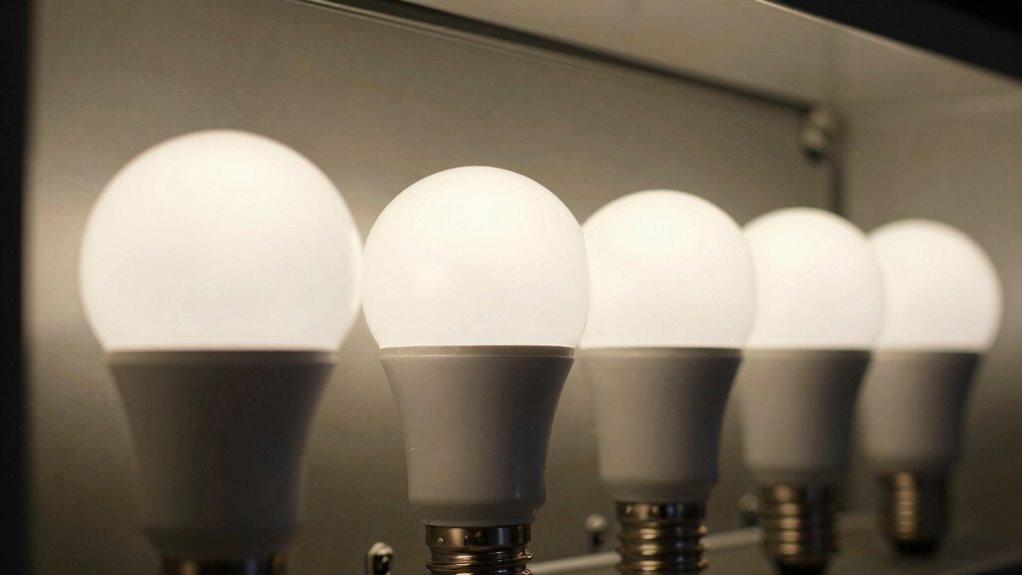
If you’ve noticed headaches or eye strain after installing LED lights, the culprit might be hidden in your dimmer switch. Many people overlook how essential the dimmer’s technology is when it comes to LED compatibility. Not all dimmers are created equal, especially when it comes to dimming technology designed for traditional incandescent bulbs. Cheap or outdated dimmers often use basic phase-cutting methods that aren’t compatible with LED modules, causing flickering or inconsistent lighting. This flickering isn’t just annoying; it can lead to headaches, eye fatigue, and overall discomfort. When switching to LEDs, it’s vital to ensure your dimmer switch is designed for energy-efficient lighting. LED-compatible dimmers use advanced dimming technology that adjusts the power flow smoothly, preventing flicker and providing a more stable light output. These dimmers also often come with features that support energy efficiency, meaning they can dim the lights without sacrificing performance or increasing your electric bill.
Energy efficiency is a significant reason many switch to LEDs, but it’s a double-edged sword if your dimmer isn’t up to speed. Cheap dimmers lack the sophisticated electronics needed for the precise control of LED lighting. Instead, they operate on older, less refined technology that isn’t suited for the rapid switching LEDs require. As a result, you get flickering, which can strain your eyes and contribute to headaches. Investing in a high-quality, LED-compatible dimmer switch might seem like a small upgrade, but it makes a world of difference. These dimmers work by employing better dimming technology, which ensures that the LED bulbs receive a steady, flicker-free current. This stability not only enhances your comfort but also prolongs the lifespan of your bulbs and dimmer switch.
Choosing the right dimmer switch means paying attention to the specifications. Look for ones labeled explicitly for use with LED lighting and note their compatibility with energy-efficient bulbs. Good dimming technology can adapt to different LED models and prevent flickering even at low dimming levels. Remember, the cheapest option isn’t always the best, especially when it comes to your health and the longevity of your lighting system. Upgrading to a compatible, high-quality dimmer switch will help you enjoy the benefits of energy efficiency without the unwanted side effects, like headaches and eye strain caused by flickering LEDs. In the end, it’s about making a smart investment in your lighting setup to ensure a comfortable, flicker-free environment.
Frequently Asked Questions
Can LED Flicker Be Completely Eliminated With Better Dimmer Switches?
Yes, better dimmer switches can considerably reduce LED flicker. When you choose switches with high dimming compatibility and good switch quality, you minimize flickering issues. Cheap dimmers often lack proper regulation, leading to flicker and headaches. Investing in a high-quality dimmer designed specifically for LEDs ensures smoother dimming, consistent light output, and a more comfortable experience. Remember, the right dimmer makes a noticeable difference in flicker elimination.
How Does Flickering Affect People With Photosensitive Epilepsy?
Imagine flickering lights as lurking shadows, triggering photosensitive triggers that can set off seizure risks. If you’re sensitive, flickering LEDs can cause headaches, dizziness, or even seizures. You might think dimming helps, but cheap dimmers often make flicker worse. To protect yourself, choose high-quality LEDs and dimmers designed to minimize flicker. Staying aware of your triggers keeps you safe and comfortable in your environment.
Are There Specific LED Bulbs Less Prone to Flicker?
You can find LED bulbs less prone to flicker by choosing flicker-free LEDs designed for smooth, stable lighting. Look for bulbs with good LED bulb compatibility, ensuring they work well with your dimmers and fixtures. These flicker-free LEDs minimize flickering, reducing headaches and eye strain. Always check product specifications and reviews to confirm the bulb’s flicker performance, especially if you’re sensitive to flickering or using dimmers that might cause instability.
What Are the Health Risks Associated With Long-Term Flickering Exposure?
Long-term flickering from LEDs can increase your risk of health issues, especially if you have light sensitivity. Studies show that continuous flicker may cause sleep disruption and headaches over time. You might not notice it daily, but your body’s response to flickering can lead to fatigue and concentration problems. To protect yourself, choose flicker-free LEDs and high-quality dimmers, reducing your exposure and safeguarding your well-being.
How Can I Test if My LED Lights Are Flickering?
To test if your LED lights are flickering, start with flicker detection by observing them in different lighting conditions. Use your phone camera, as it can often reveal flicker invisible to the naked eye by recording at a high frame rate. You can also try a flicker testing app or a dedicated light meter. These testing methods help identify flickering early, so you can replace or adjust your lights for healthier, flicker-free illumination.
Conclusion
Don’t delay diagnosing dimmer dilemmas. Ditch dull, defective devices and switch to safe, superior solutions. By choosing quality, you prevent pesky problems like flickering and headaches. Remember, the right dimmer doesn’t just dim the lights—it delivers peace, comfort, and clarity. So, take charge, check your switches, and chase away the chronic chaos caused by cheap, chattering dimmers. Make the switch today for brighter, better, headache-free lighting!