
In a multi-zone HVAC system, compatibility issues between smart thermostats, dampers, and duct design can cause them to malfunction or offer inconsistent control. If your ductwork isn’t properly designed for multiple zones or your thermostat isn’t compatible with the dampers and control system, you may experience errors, uneven heating, or cooling. Ensuring these components work seamlessly together is vital for reliable performance. Keep going to discover how to prevent these common pitfalls and optimize your system.
Key Takeaways
- Incompatible dampers and ductwork can cause smart thermostats to malfunction or display error messages.
- Not all smart thermostats support multi-zone systems, leading to communication issues with dampers.
- Poorly designed ductwork can result in uneven airflow, confusing thermostats and compromising zone control.
- Incorrect wiring or hardware incompatibility prevents proper communication between thermostats, dampers, and HVAC systems.
- Ensuring system component compatibility is essential to avoid malfunctions and achieve reliable multi-zone climate control.
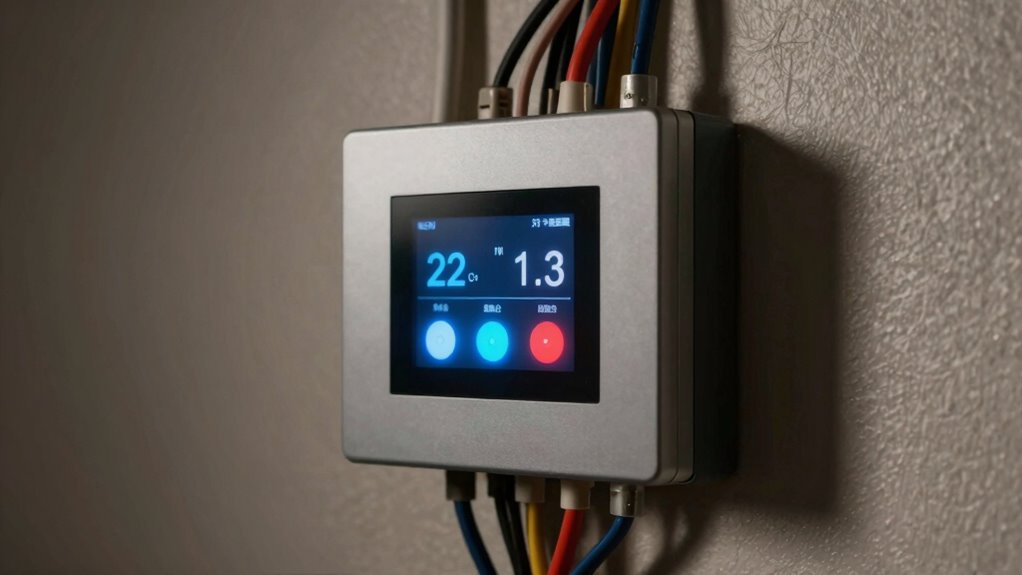
Have you ever wished you could control the temperature in different areas of your home independently? With a multi‑zone HVAC system, that dream becomes a reality. Zone control allows you to set different temperatures for various parts of your house, making your living space more comfortable and energy-efficient. But before you embark on it, it’s essential to understand how zone control interacts with your duct design and smart thermostats. Poorly designed ductwork can create compatibility issues that might undermine your entire setup.
Proper duct design and compatible thermostats are essential for effective multi-zone HVAC control.
The key to a successful multi‑zone HVAC system lies in proper duct design. Ducts need to be tailored to serve each zone effectively, ensuring balanced airflow and consistent temperature distribution. When duct design isn’t optimized, some zones may receive too much air, while others get too little. This imbalance causes your smart thermostat to struggle, unable to maintain the desired temperature accurately. As a result, you might find yourself constantly adjusting settings or experiencing inconsistent comfort levels. Good duct design considers factors like duct size, routing, and insulation, all tailored to your home’s layout. It guarantees that each zone gets the right amount of conditioned air, reducing strain on your system and preventing uneven heating or cooling.
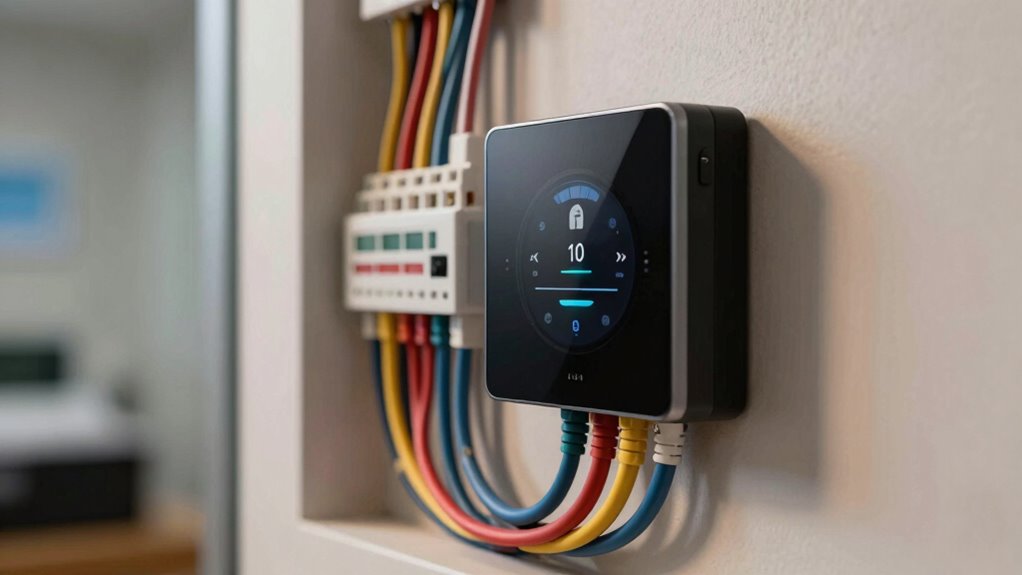
Zone control systems work best when paired with ductwork designed specifically for multi‑zone applications. This often involves installing dampers within the ductwork that open and close to direct airflow to different zones. These dampers are controlled by the smart thermostats or a central control panel, which monitors each zone’s temperature. When the system detects that a particular zone needs heating or cooling, it adjusts the dampers accordingly. If your duct design isn’t compatible or isn’t optimized for zone control, the dampers may not function properly, leading to inconsistent temperatures or system strain. This incompatibility can even cause your smart thermostat to malfunction or display error messages, defeating the purpose of having a smart, efficient system.
Furthermore, the compatibility between your smart thermostat and zone control hinges on the system’s hardware and wiring. Not all thermostats support multi‑zone setups, especially if the duct design or damper installation isn’t aligned with manufacturer specifications. Before installing a multi‑zone system, you need to verify that your thermostat can communicate effectively with the dampers and control panel. If they’re incompatible, you’ll face ongoing frustrations, including inaccurate temperature readings and inefficient heating and cooling cycles. To avoid this, consult HVAC professionals who understand the nuances of duct design and zone control to make certain everything works seamlessly together.
In essence, achieving the comfort and energy savings you desire with a multi‑zone HVAC hinges on proper duct design and compatible smart thermostats. Without these elements working in harmony, your system can become a frustrating maze of inefficiency and inconsistency. Take the time to assess your ductwork and choose compatible components, and you’ll enjoy precise control over your home’s climate, zone by zone. Understanding HVAC system compatibility is crucial for ensuring your multi-zone setup functions as intended.
Frequently Asked Questions
Can Existing Thermostats Be Upgraded for Multi-Zone Compatibility?
Yes, you can upgrade your existing thermostats for multi-zone compatibility, but it can be tricky. You’ll need to verify thermostat compatibility with your HVAC system because upgrade challenges often arise from wiring differences and system features. Sometimes, existing thermostats can’t be easily adapted, requiring new multi-zone-compatible models or a complete system overhaul. Consulting a professional ensures proper installation and avoids costly mistakes, making your upgrade smoother.
What Is the Typical Cost of Installing a Multi-Zone HVAC System?
The typical cost of installing a multi-zone HVAC system ranges from $5,000 to $15,000, depending on your home’s size and system complexity. For accurate cost estimation, consider professional assessments and potential additional expenses like ductwork. Financing options are often available, helping you spread out payments. To guarantee the best deal, compare quotes from multiple contractors and ask about warranties and ongoing maintenance costs.
Are There Specific Brands Better Suited for Multi-Zone Setups?
Think of brand compatibility like a puzzle piece—you want them to fit perfectly. Brands like Honeywell and Ecobee are known for their reliable zoning controllers and compatibility with multi-zone setups. I once installed a Honeywell system, and it snapped right into place, making the whole process smooth. Stick to well-known brands with proven zoning controllers, and you’ll avoid headaches and guarantee your smart thermostat works seamlessly with your multi-zone HVAC system.
How Long Does a Multi-Zone HVAC Installation Usually Take?
A multi-zone HVAC installation typically takes 1 to 3 days, depending on your home’s size and zoning challenges. If you attempt a DIY installation, expect it to take longer and be more complex due to zoning challenges and wiring intricacies. It’s best to plan for professional help, especially if you’re unfamiliar with HVAC systems, to guarantee everything’s correctly set up and functioning efficiently without risking compatibility issues.
What Maintenance Is Required for Multi-Zone HVAC Systems?
Think of your multi-zone HVAC system like a finely tuned orchestra. You need to perform regular system calibration to keep everything in harmony and guarantee peak efficiency. Additionally, ductwork inspection is essential to spot leaks or blockages that could hinder airflow. By maintaining these, you extend your system’s lifespan and enjoy consistent comfort. Schedule inspections and calibrations seasonally, and you’ll keep your multi-zone setup singing smoothly.
Conclusion
Understanding multi-zone HVAC systems can save you from costly compatibility issues. Did you know that nearly 40% of smart thermostats malfunction due to incompatible zoning setups? By ensuring your system components work seamlessly together, you avoid frustration and maximize energy efficiency. Don’t overlook the importance of compatibility—taking a few extra steps now can lead to reliable comfort and savings down the line. Stay informed, ask the right questions, and keep your smart thermostat working perfectly.