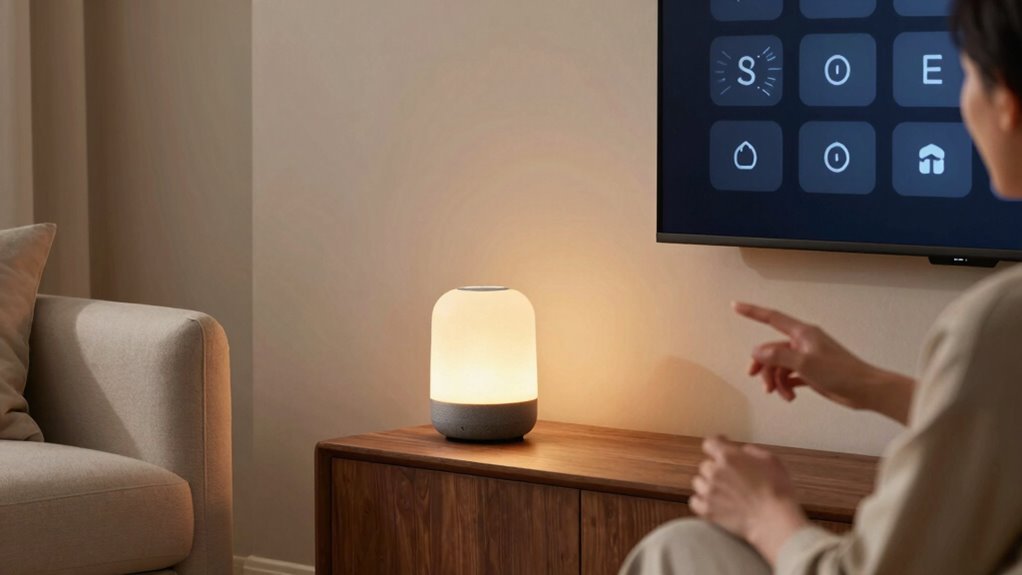

The smart-home upgrade that reduces daily friction most is a voice-controlled system combined with device interoperability and automation. With voice assistants like Alexa or Google, you can manage routines hands-free, automate tasks, and control devices seamlessly. This setup eliminates hunting for switches or remotes, making your home more intuitive and responsive. Small daily adjustments save time and energy, while creating a smoother, more enjoyable living experience. Discover how to make your home smarter and more effortless.

Get decor and gifts delivered free — and shop member deals
- Fast, free delivery on millions of items
- Access to Prime Big Deal Days deals on October 6–7
- Prime Video, Amazon Music and more included
Key Takeaways
- Voice control systems enable hands-free management of multiple smart devices, reducing manual effort and simplifying daily routines.
- Seamless interoperability allows devices to communicate and respond instantly via voice commands, minimizing delays and confusion.
- Automating routine tasks like lighting and climate control streamlines daily activities, saving time and reducing manual adjustments.
- Integration of voice-activated assistants helps optimize energy use, lowering costs and environmental impact with minimal user intervention.
- Automating personalized routines enhances convenience, making daily home management more intuitive and less friction-prone.
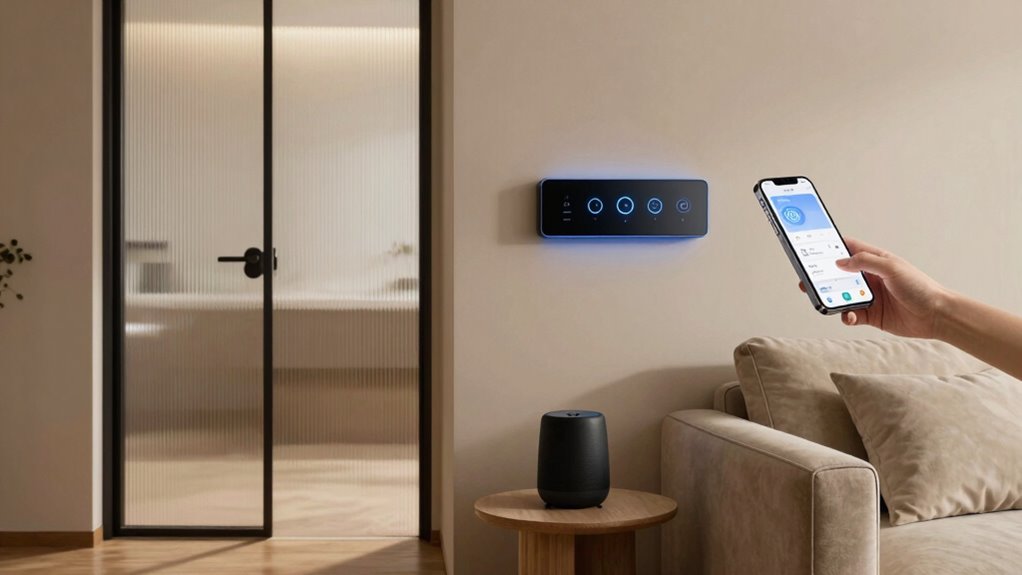
Upgrading your home with smart technology can considerably cut down daily friction by automating routine tasks and streamlining your routines. Among the most impactful upgrades is integrating voice control systems. With voice-activated assistants like Alexa, Google Assistant, or Siri, you can manage multiple functions hands-free. Imagine waking up and simply saying, “Good morning,” to have your smart blinds open, coffee brewing, and weather updates announced. Voice control eliminates the need to hunt for switches, remote controls, or apps, making daily actions faster and more seamless. You gain instant access to your home’s controls, empowering you to focus on more important things. Additionally, integrating voice control systems can enhance the overall home automation experience, making your smart home even more intuitive and responsive. This integration also supports smart device interoperability, allowing different devices to work together smoothly. Moreover, voice control can help you better understand and utilize caffeine science, optimizing your routines for productivity and alertness. Another significant benefit of voice control is its contribution to energy efficiency. When you can easily command your smart devices, you’re more likely to use them intentionally, avoiding unnecessary power consumption. For example, you can instruct your smart thermostat to adjust the temperature when you leave the house or go to bed, ensuring heating or cooling isn’t wasted. Smart lighting systems also respond to your voice, so you can turn off or dim lights when they’re not needed, reducing electricity use. Incorporating energy-management features in smart devices can further optimize your home’s performance and reduce waste. Over time, these small adjustments add up, lowering your energy bills and helping the environment. Additionally, energy-saving features in smart devices can optimize your home’s performance without constant manual input. Plus, many smart systems learn your habits and automatically adjust settings, further enhancing energy efficiency without ongoing effort from you.
Amazon Alexa smart home starter kit
As an affiliate, we earn on qualifying purchases.
As an affiliate, we earn on qualifying purchases.
Frequently Asked Questions
What Is the Initial Cost of Implementing This Smart-Home Upgrade?
The initial cost of implementing this smart-home upgrade varies, typically ranging from a few hundred to over a thousand dollars depending on the system’s complexity. You should do a cost comparison to find the best value. Keep in mind, installation challenges might add extra expenses or time, especially if you’re unfamiliar with smart devices. Planning ahead helps you budget effectively and guarantees a smoother setup process.
How Secure Are the Smart Devices Against Hacking?
Smart devices are like open books if not properly secured, making hacking vulnerabilities a real concern. While manufacturers implement security measures, privacy concerns remain, and vulnerabilities can exist. To stay safe, regularly update your device firmware, use strong, unique passwords, and enable two-factor authentication. Staying vigilant helps protect your smart home from potential hacking threats and keeps your personal data secure.
Can These Upgrades Be Integrated With Existing Home Systems?
Yes, these smart-home upgrades can be integrated with your existing home systems. They’re designed with integrative compatibility in mind, allowing smooth connection with your current devices. Plus, they support system scalability, so you can gradually add new features or expand your setup over time without hassle. This flexibility guarantees your smart home evolves effortlessly, enhancing convenience while fitting seamlessly into your current infrastructure.
What Is the Typical Maintenance Required for These Smart Devices?
You’ll need to perform regular updates to guarantee device compatibility and security. Keep an eye on firmware updates from manufacturers, and periodically check that all devices are functioning correctly. Troubleshooting tips include restarting devices, checking Wi-Fi connections, and ensuring compatibility with your smart hub. Generally, maintenance is straightforward, involving software updates and occasional resets, helping your smart devices run smoothly and seamlessly integrate into your smart home ecosystem.
How Does This Upgrade Impact Energy Consumption and Savings?
Imagine your smart home as a well-tuned orchestra, where each device plays in harmony. This upgrade boosts energy efficiency by optimizing device operation, reducing unnecessary power use. As a result, you see significant cost savings on your utility bills. You might notice your thermostat adjusting itself to save energy or lights dimming when not needed, making your home more eco-friendly and your wallet happier over time.
Conclusion
Upgrading your smart home can truly ease daily chores and frustrations. By choosing the right technology, you create a seamless living experience, saving time and energy. Remember, “A stitch in time saves nine”—address small issues early, and your home will serve you better in the long run. Embrace these upgrades, and you’ll find that smoother days are just a smart step away.
Fall Picks
fall essentials
As an affiliate, we earn on qualifying purchases.