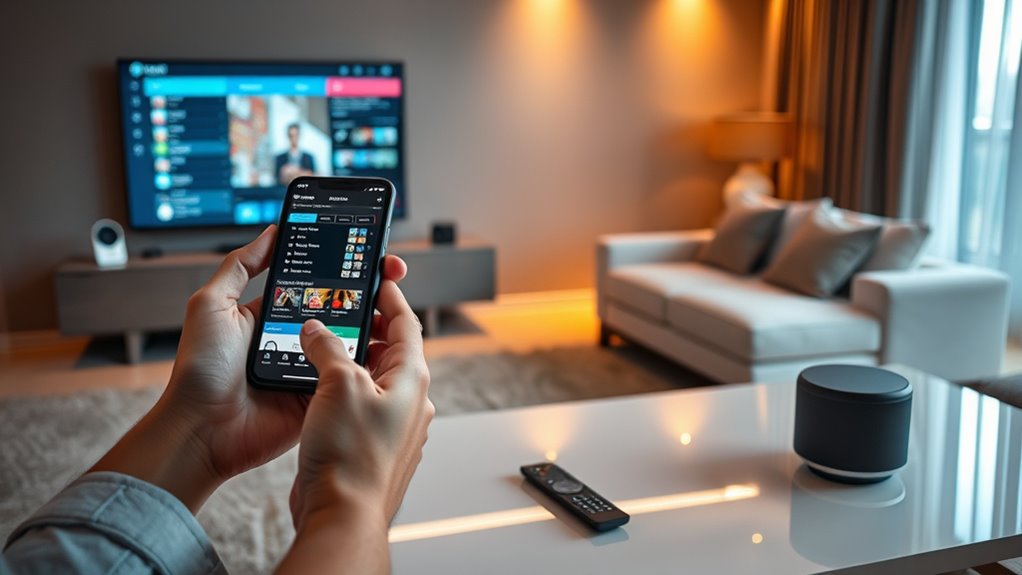

Smartphone integration has revolutionized how you control devices, replacing bulky remote controls with user-friendly mobile apps. By ensuring device compatibility and utilizing standardized protocols, your phone can seamlessly communicate with smart gadgets like speakers, lights, and appliances. Intuitive interfaces make managing multiple devices simple and quick, enhancing your daily routines. As technology advances, understanding these integrations becomes even more valuable—stay tuned to discover how to make your smart ecosystem more efficient and effortless.
Key Takeaways
- Smartphones serve as centralized control hubs for various smart devices via dedicated mobile apps.
- Integration relies on standardized protocols like Bluetooth, Wi-Fi, and Zigbee for seamless device communication.
- User-friendly apps simplify managing multiple devices, offering real-time control and feedback.
- Modern smartphone integration enhances device compatibility, reducing setup complexity and troubleshooting.
- Continuous advancements enable smarter, more intuitive automation and remote management of connected systems.
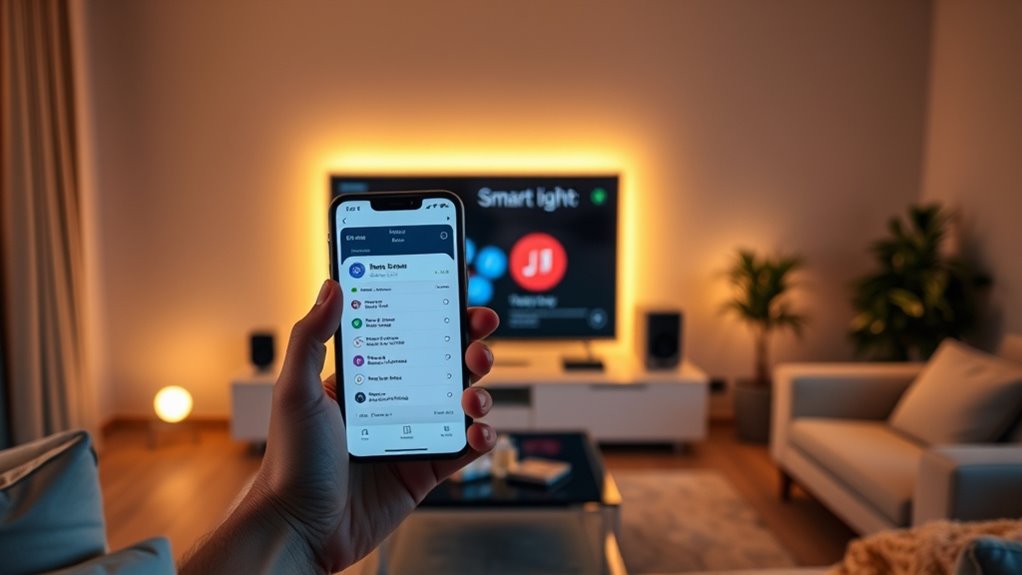
Have you ever wondered how seamlessly your smartphone connects with other devices and systems? It’s impressive how, with just a few taps, your phone can control your smart TV, adjust your thermostat, or even start your car. This smooth integration hinges on two critical factors: device compatibility and user interface. When your smartphone communicates effectively with various gadgets, it’s because manufacturers prioritize creating systems that work across multiple platforms. Device compatibility ensures that your phone can recognize and interact with a broad range of devices, whether they’re Bluetooth-enabled speakers, Wi-Fi-connected appliances, or smart home hubs. Without this compatibility, your efforts to streamline daily tasks can feel frustrating or even impossible. Luckily, most modern smartphones are designed to support a wide array of protocols like Bluetooth, Wi-Fi, and Zigbee, making it easier for you to connect with diverse devices. But just having the technology isn’t enough; the user interface plays a crucial role in how effortlessly you can operate these integrations. Additionally, standardized protocols facilitate smoother and more reliable communication between your smartphone and connected devices.
Your user interface acts as the bridge between you and your connected devices. A well-designed UI simplifies complex functions into intuitive controls, so you don’t need to be tech-savvy to navigate your smart ecosystem. For example, instead of fiddling with multiple apps or complicated menus, you might have a single dashboard on your phone that displays all compatible devices. From there, you can turn on the lights, change the music, or set the temperature with a few taps. The interface should also provide real-time feedback, letting you know when commands are successfully executed, which boosts your confidence in the system. If the UI is cluttered or confusing, you might get frustrated and abandon the entire setup. That’s why manufacturers focus heavily on creating user-friendly interfaces that prioritize clarity, ease of use, and quick access to essential functions. When designed effectively, these interfaces can significantly enhance the overall user experience by making technology more accessible and less intimidating.
The combination of device compatibility and a user-friendly interface makes your smartphone a powerful hub for automation and control. When these elements work seamlessly together, you don’t waste time troubleshooting or navigating complex menus; instead, you enjoy a smooth, integrated experience. This means your daily routines become more efficient, and managing your home or office feels less like a chore and more like an effortless extension of your intent. As technology advances, expect these systems to become even smarter, with better compatibility standards and more intuitive interfaces. Ultimately, your ability to connect and control various devices through your smartphone depends on how well these two factors are integrated, making your digital life simpler and more connected every day.
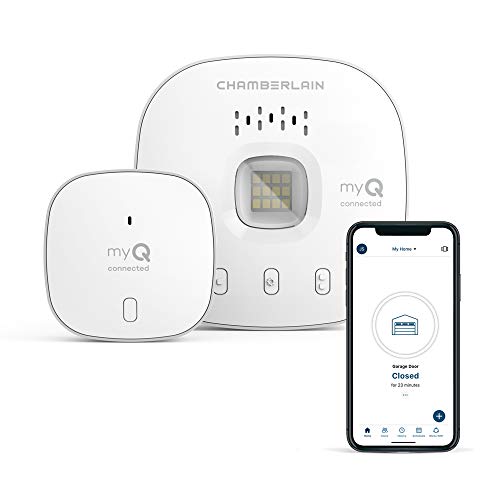
CHAMBERLAIN Smart Garage Control – Wireless Garage Hub and Sensor with Wifi & Bluetooth – Smartphone Controlled, myQ-G0401-ES, White
“Did I shut the garage” No more worrying.
As an affiliate, we earn on qualifying purchases.
As an affiliate, we earn on qualifying purchases.
Frequently Asked Questions
How Secure Are Smartphone Integrations With Smart Home Devices?
Smartphone integrations with smart home devices are generally secure when you use strong data encryption and reliable user authentication methods. You should regularly update your apps and firmware to patch vulnerabilities. Avoid connecting to public Wi-Fi networks, and enable two-factor authentication whenever possible. By staying vigilant and following best practices, you can protect your smart home system from potential security threats and enjoy seamless control over your devices.
Can Smartphone Apps Control Multiple Brand Devices Simultaneously?
Yes, you can control multiple brand devices simultaneously with smartphone apps that offer multi-brand compatibility. These apps provide unified control interfaces, making it easy to manage different smart home devices from various manufacturers in one place. You just need to guarantee the app supports all your devices, and then you can effortlessly control everything, saving time and reducing the need for multiple apps.
Are There Compatibility Issues With Older Smartphone Models?
Yes, older smartphone models can face compatibility issues with certain apps, especially when dealing with legacy devices. You might find that some apps no longer support outdated operating systems or hardware features, making control difficult. To guarantee smooth functionality, check the app compatibility requirements before downloading, and consider updating your device or using alternative apps designed for legacy devices. This helps you keep your smart home system running seamlessly.
How Do Updates Affect Existing Smartphone-Controlled Systems?
Think of software updates as a gardener tending a tree—they help it grow stronger. When you install updates, they usually improve your smartphone-controlled systems with feature enhancements and bug fixes. However, sometimes updates can cause compatibility issues, making certain features temporarily unstable. Staying current guarantees your system benefits from the latest improvements, but always check for compatibility before updating to avoid disrupting your seamless experience.
What Are the Privacy Implications of Smartphone Integration?
You should be aware that smartphone integration raises privacy concerns because it involves sharing personal data with apps and devices. Data privacy can be compromised if sensitive information isn’t properly secured. Always review app permissions and ensure you give user consent consciously, understanding what data is collected and how it’s used. Protecting your privacy requires vigilance and selecting trusted, secure systems that respect your data rights.
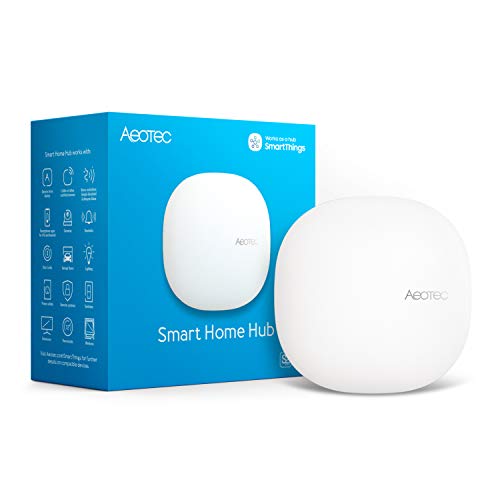
Aeotec Smart Home Hub, Works as a SmartThings Hub, Z-Wave, Zigbee, Matter Gateway, Compatible with Alexa, Google Assistant, WiFi
Connect & control your smart home — Easily link thousands of compatible devices from leading brands to create…
As an affiliate, we earn on qualifying purchases.
As an affiliate, we earn on qualifying purchases.
Conclusion
Just like Icarus soaring higher with wings of innovation, your smartphone now lifts everyday tasks to new heights. By embracing these seamless integrations, you become the hero of your own story—navigating life’s challenges with a simple tap or swipe. Remember, technology’s true power lies in connection, turning once mundane routines into effortless experiences. So, keep flying higher, and let your smartphone be your faithful guide on this exciting journey.

MOES ZigBee & Bluetooth & Mesh Gateway, Tuya Wireless Smart Home Bridge Hub, Only Support Tuya Smart Device Work with Smart Life/MOES App
【2 Modes in 1 Gateway】Support MOES/Tuya Bluetooth mesh (SIG) + Zigbee3.0 multi-protocol communication. Only one gateway is needed…
As an affiliate, we earn on qualifying purchases.
As an affiliate, we earn on qualifying purchases.

Veise VE017 Fingerprint Smart Door Lock, App Control, 8-in-1 Keyless Entry, Auto Lock, Emergency Power Port, Electronic Touchscreen Keypad, Biometric Smart Locks for Front Door, Matte Black
Smart User Management: Our smart user management system empowers you to take full, remote control of your property…
As an affiliate, we earn on qualifying purchases.
As an affiliate, we earn on qualifying purchases.