To make the smartest product decision, start by focusing on your room’s layout, lighting, and flow. Knowing how the space works helps you choose furniture and decor that fit seamlessly and function well. Proper placement and lighting highlight key features, prevent clutter, and create harmony. When you plan your space first, every product you select enhances the overall design and usability. Keep exploring to discover how a room-first approach simplifies your decorating choices even further.
Get ready for Prime Big Deal Days — try Prime free
Exclusive member deals on October 6–7, plus fast free delivery. Cancel anytime.
As an affiliate, we earn on qualifying purchases.
Key Takeaways
- Room layout and lighting choices set the foundation for effective product placement and overall design harmony.
- Considering the entire room ensures furniture and decor complement each other for optimal functionality.
- A thoughtful room decision prevents clutter, maximizes space, and enhances aesthetic appeal.
- Planning at the room level streamlines product selection, reducing the need for costly adjustments later.
- Whole-room planning fosters a cohesive environment where each product supports the space’s purpose and style.

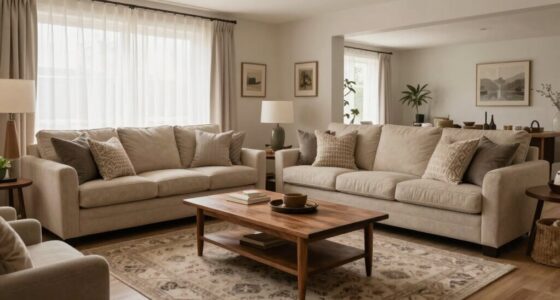
Have you ever considered that the smartest product decision starts with where you place it? When you’re thinking about a new piece of furniture or an essential device, it’s easy to focus solely on the product itself. But the real impact comes from how it fits into the room. Your furniture placement can make or break the functionality and aesthetic of your space, influencing how often you use the product and how well it integrates with the rest of your decor. Before rushing to buy, step back and evaluate the room’s layout. Visualize how the new item will interact with existing furniture, walkways, and focal points. Proper furniture placement guarantees you maximize space, improve flow, and create a balanced environment that makes every product work harder for you.
Smartest decisions start with thoughtful furniture placement to maximize space, flow, and harmony.
Lighting choices are equally vital in this process. The way you light a room can dramatically alter the perception of your furniture and overall ambiance. Good lighting highlights the best features of your space and helps you see how a product will look once it’s in place. For example, placing a reading lamp near a cozy chair isn’t just about illumination—it’s about creating a designated spot that invites comfort and usability. When you consider lighting choices early, you can plan for outlets, switches, and the type of light that complements your furniture and decor. This planning prevents the need for costly adjustments later and guarantees your products are showcased in the best possible way.
Thinking about the room as a whole rather than just individual pieces shifts your perspective from reactive to proactive. It’s about creating harmony, not just filling space. When you prioritize room decisions first, such as furniture placement and lighting choices, you set a foundation that makes every product you add more effective and visually appealing. This approach helps you avoid clutter, awkward arrangements, and poor lighting that diminish the potential of your investments. Instead, you craft a purposeful environment where each item has a clear role and every element works together seamlessly. Considering room layout as a guiding principle ensures your overall design remains cohesive and functional. Incorporating thoughtful space planning from the outset helps optimize each element’s contribution to the overall aesthetic. Additionally, paying attention to furniture arrangement can significantly enhance both comfort and style in your space. Recognizing the importance of room organization can further streamline your decision-making process and create a more harmonious environment. Understanding the layout of your space can also help identify potential areas for outdoor power tools or storage solutions.
In the end, your room’s layout becomes the blueprint for all product decisions. By starting with where things are placed and how they’re lit, you guarantee that each product not only fits but enhances the space. It’s a smarter way to shop, decorate, and live—making your home more functional, inviting, and stylish at the same time.
room layout furniture arrangement
As an affiliate, we earn on qualifying purchases.
As an affiliate, we earn on qualifying purchases.
Frequently Asked Questions
How Do Room Decisions Impact Overall Product Success?
Room decisions directly impact your product’s success by shaping interior aesthetics and lighting design, which influence user experience. When you choose the right layout, color scheme, and lighting, you create an environment that enhances your product’s appeal and functionality. This thoughtful approach guarantees your product feels integrated and inviting, making users more likely to engage and feel satisfied. Ultimately, focusing on room decisions sets a strong foundation for your product’s overall success.
What Factors Should Be Considered When Making a Room Decision?
You should consider factors like design flexibility and spatial efficiency when making a room decision—it’s as vital as choosing the right puzzle pieces for the big picture. Think about how adaptable the space needs to be and how well it maximizes every square inch. Also, evaluate lighting, acoustics, and flow. These elements guarantee your room supports your product’s purpose and enhances user experience, making your decision a game-changer.
How Can Team Dynamics Influence Room Decisions?
Team dynamics greatly influence room decisions because strong team communication guarantees everyone’s input is heard, fostering collaboration. When decision ownership is shared, team members feel responsible and committed, leading to better outcomes. You should encourage open dialogue, clarify roles, and promote trust to navigate conflicts and align on the best room choice. This proactive approach helps you leverage team strengths, making smarter decisions that everyone supports.
Are There Common Mistakes in Initial Room Planning?
Yes, common mistakes in initial room planning include poor furniture placement, which can block pathways or hinder functionality. You might also overlook lighting design, leaving the space either too dark or overly harsh. To avoid these issues, plan furniture layout carefully to optimize space and flow, and consider layered lighting options that enhance ambiance and practicality. Proper planning guarantees your room is both functional and inviting from the start.
How Do Room Decisions Align With Long-Term Business Goals?
You align room decisions with your long-term business goals by prioritizing interior aesthetics and lighting placement that reflect your brand identity. Thoughtful choices enhance customer experience, boost employee productivity, and support future expansion plans. When you consider how design elements contribute to your overall vision, you create a cohesive environment that fosters growth. Smart room decisions become strategic tools, ensuring your space supports both immediate needs and long-term success.
Conclusion
Remember, making the right product decision often starts with gathering your team in the right room. Like a compass guiding a ship, a well-chosen space focuses your efforts and sparks clarity. When everyone’s on the same page, you’re more likely to navigate challenges smoothly and reach your goals faster. Don’t underestimate the power of that room—it’s where ideas converge and smarter decisions take shape, steering your project in the right direction from the start.
NFL season / tailgating Picks
team gear
As an affiliate, we earn on qualifying purchases.