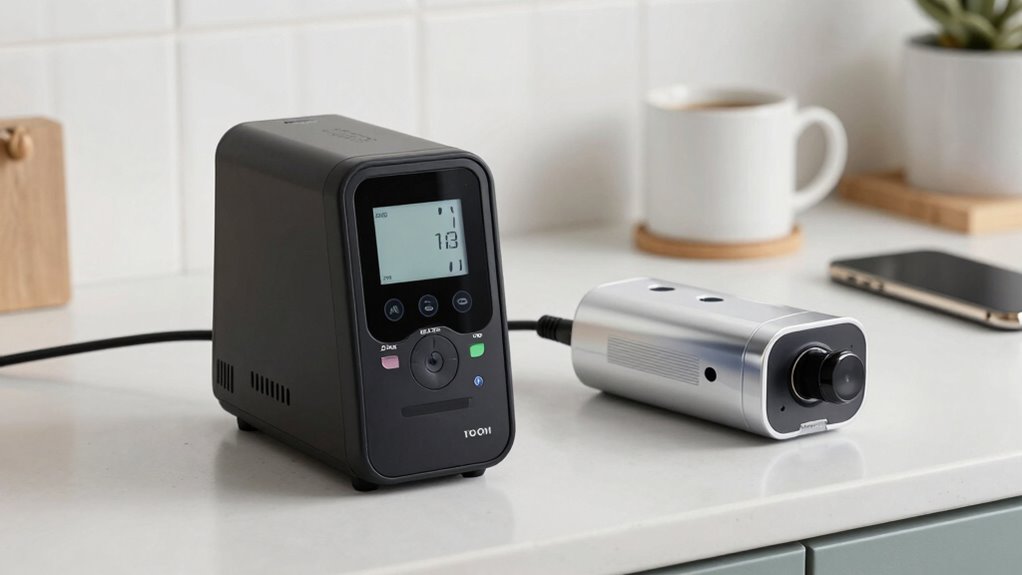

Choosing between a hospital-grade and a portable pump is very much about your lifestyle. If you have frequent breastfeeding challenges or need strong, consistent performance, a hospital-grade pump could be essential despite its size and cost. On the other hand, if you’re busy and need convenience on the go, a portable pump offers simplicity and mobility, often at a lower price. Understanding your needs and routine can help you decide which option best fits your life—there’s more to take into account ahead.

Get decor and gifts delivered free — and shop member deals
- Fast, free delivery on millions of items
- Access to Prime Big Deal Days deals on October 6–7
- Prime Video, Amazon Music and more included
Key Takeaways
- Hospital-grade pumps suit mothers with intensive breastfeeding needs, while portable pumps fit busy moms needing convenience.
- Power and performance differ; hospital-grade pumps are more powerful, portable models are effective for moderate use.
- Bulkiness of hospital-grade devices limits mobility, whereas portable pumps are lightweight and discreet for on-the-go use.
- Maintenance complexity and cost are higher for hospital-grade pumps compared to the simpler, more affordable portable options.
- Your choice depends on lifestyle, breastfeeding challenges, and whether prioritizing power or convenience.
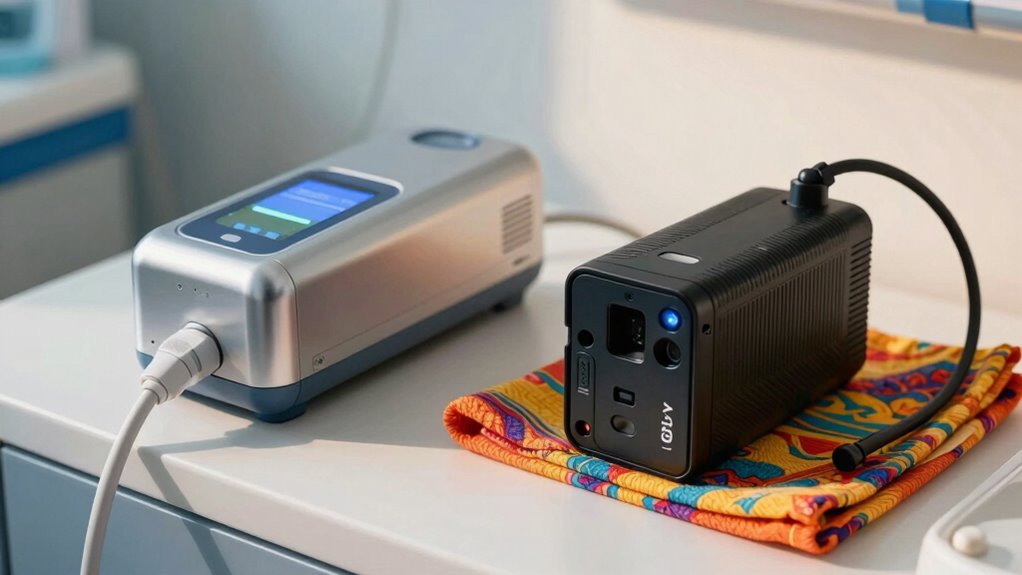
When choosing a breast pump, understanding the key differences between hospital-grade and portable models can help you make an informed decision. The choice isn’t just about features; it’s about how the pump will fit into your lifestyle and your breastfeeding journey. Hospital-grade pumps are designed for frequent, intensive use, often recommended for mothers facing breastfeeding challenges like low milk supply or latch issues. They’re powerful, durable, and typically have dual motors that can efficiently express milk from both breasts at once. If you’re dealing with significant breastfeeding difficulties or planning to pump multiple times a day, a hospital-grade model might be the best fit. However, these pumps are bulkier, more expensive, and generally less portable, which means pump maintenance can be more involved. They often require thorough cleaning and regular sterilization to prevent infections, adding an extra layer of responsibility to your routine. Additionally, hospital-grade pumps typically have clinical-grade performance, which can make a difference for mothers with complex breastfeeding needs. Proper hygiene practices are crucial to ensure safety and optimal performance when using these high-powered devices. Regular maintenance and proper cleaning are essential to ensure optimal performance and safety. Moreover, selecting a pump that matches your lifestyle can help you sustain a consistent breastfeeding routine without added stress.
On the other hand, portable pumps prioritize convenience and mobility. They’re lightweight, discreet, and designed for busy moms who need to pump on the go or at work. While they may not offer the same pumping power as hospital-grade models, many high-end portable pumps are quite effective and can meet the needs of moms with moderate breastfeeding challenges. Their compact size makes it easier to maintain hygiene since you can often clean and sterilize them quickly or replace parts as needed. Pump maintenance for portable models tends to be simpler, with fewer parts to clean and sterilize regularly, which can be a big advantage if you’re managing a hectic schedule. This ease of maintenance can help reduce stress and ensure you keep your pump in good condition, preventing issues like mold or bacteria buildup. The design and portability of these pumps make them especially suitable for active lifestyles. Choosing the right pump also involves considering the cost and investment, especially if you plan to use it extensively over time.
As an affiliate, we earn on qualifying purchases.
Frequently Asked Questions
How Long Does Each Pump Typically Last Before Needing Replacement?
A hospital-grade pump usually lasts around 3 to 5 years with regular use, maintaining ideal breastfeeding comfort and pump efficiency. Portable pumps tend to have a shorter lifespan, typically lasting 1 to 2 years, especially with frequent use. Your choice depends on your breastfeeding needs; a hospital-grade pump offers durability and consistent performance, while a portable pump provides convenience but may need replacement sooner for sustained efficiency.
Are There Any Maintenance Requirements for Hospital-Grade Pumps?
Like tending to a classic car, maintaining hospital-grade pumps requires regular attention to guarantee equipment durability. You should clean the pump after each use, disinfect it weekly, and check for any signs of wear or damage. Maintenance frequency isn’t high, but consistent checks help prevent malfunctions. Following the manufacturer’s instructions keeps the pump running smoothly, extending its lifespan and ensuring reliable performance whenever you need it most.
Can Portable Pumps Handle High-Volume Milk Expression?
Yes, portable pumps can handle high-volume milk expression, but they may not be as efficient as hospital-grade pumps for frequent, intensive pumping sessions. Your breastfeeding convenience depends on pump portability and your daily needs. If you need quick, occasional pumping, a portable pump works well. However, for regular, high-volume expression, a hospital-grade pump might be more effective, ensuring you meet your milk supply goals comfortably.
What Are the Noise Levels of Each Pump Type?
Think of pump noise as a gentle breeze versus a roaring storm. Hospital-grade pumps tend to have higher sound levels, similar to a steady hum that’s noticeable yet tolerable. Portable pumps are quieter, like a whisper in a quiet room, offering lower sound levels that won’t disrupt your environment. If noise matters, a portable pump provides a more discreet experience, allowing you to pump comfortably without drawing attention or interrupting your day.
Are There Specific Brands Recommended for Either Pump?
You should look into trusted brands like Medela, Spectra, and Philips Avent, known for their pump durability and reliable performance. These brands often receive positive reviews for their quality and long-lasting use. When choosing, consider your lifestyle needs—whether you prefer a portable pump for convenience or a hospital-grade one for intensive use. Reading customer feedback can also guide you toward the best brand that fits your specific needs.
Conclusion
So, whether you choose a hospital-grade pump or a portable one, remember—this isn’t just about milk; it’s about your entire lifestyle! Pick the powerhouse that keeps your milk flowing like a unstoppable river, or opt for the sleek, discreet device that fits into your life like a secret weapon. Whichever you choose, know that your decision could turn your breastfeeding journey into an epic adventure—so pick wisely, and let your milk flow like a legend!
Fall Picks
fall essentials
As an affiliate, we earn on qualifying purchases.