TL;DR

Get decor and gifts delivered free with Prime
- Fast, free delivery on millions of items
- Prime Video, Amazon Music and more included
- Member-only deals all year
An Ideal Home report describes seven ways to reuse Halloween pumpkins, including saving or roasting seeds, composting, burying pieces in a garden bed, and making a temporary bird feeder. It also warns against leaving pumpkins in woodland and advises against eating pumpkins that were left outdoors or held a candle.
Ideal Home has outlined seven ways to reuse Halloween pumpkins instead of sending them to the bin, offering options that include saving seeds, composting the flesh and making a temporary bird feeder. The report also cautions readers not to leave pumpkins in woodland and says pumpkins that have been outdoors or held a candle should not be eaten.
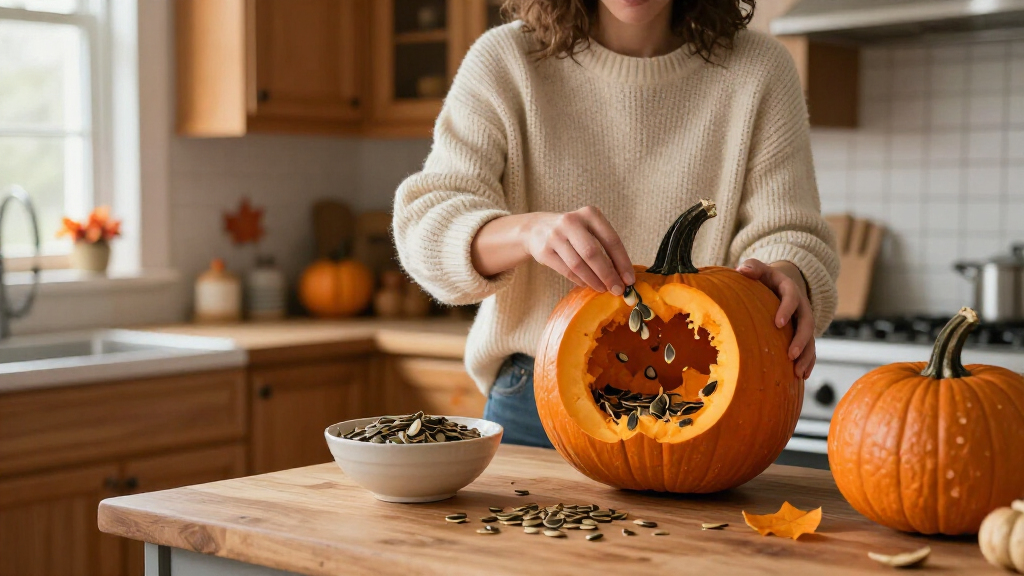
The guide’s suggestions cover food, gardening and decoration. Readers can separate, wash and dry seeds to save for planting in spring or roast them with oil and seasoning as a snack. The article’s author says two seedlings grown from saved seeds produced four pumpkins the following year; that is a personal account, not a guaranteed result.
For pumpkins no longer suitable to eat, the report recommends cutting them into small pieces before adding them to compost. DT Brown senior seed and plant buyer Rachel Cole says pumpkin flesh is moist and nitrogen-rich, so too much can leave a heap wet or compacted. She advises mixing it with dry, carbon-rich materials such as fallen leaves and turning the compost to help maintain airflow.
Other ideas include burying small pieces in an empty garden bed, choosing no-carve decorations to keep a pumpkin intact for longer, and using a hollowed shell as a temporary bird feeder. Cole says an intact pumpkin may still be suitable for cooking only if it is a food-safe variety, has been stored properly and shows no signs of deterioration. The report says pumpkins that have been left outdoors or used with a candle should not be eaten.
Keeping Pumpkin Waste Out of the Bin
The practical value of the advice is that it gives households several ways to reuse pumpkins while accounting for their condition. Edible, sound pumpkins may be used in cooking, while damaged or unsuitable ones can be directed toward compost or garden soil instead.
The wildlife warning matters because leaving a pumpkin outside is not the same as safely feeding wildlife. Cole’s guidance instead focuses on controlled uses, such as composting with dry material or burying pieces away from plant stems and allowing time for them to break down. The suggestions are household gardening options, not evidence that every pumpkin can be reused in every way.
Products Worth Considering

Sonos Era 100 SL Compact Microphone-Free Speaker, Black

Levoit Vital 200S-P Smart Air Purifier for Large Rooms

Bose TV Speaker (2nd Gen) Compact Soundbar with Bluetooth and HDMI Connectivity
As an affiliate, we earn on qualifying purchases.
Food Safety and Wildlife Warnings
The article frames pumpkin reuse as an alternative to disposal after Halloween, when carved decorations are often discarded. It distinguishes between pumpkins that remain intact and properly stored and those that have been exposed to the outdoors, carved or used with a candle. Condition and prior use determine whether cooking is appropriate, according to Cole’s advice in the report.
The source specifically warns against leaving pumpkins in woods for animals. It says pumpkins are not a natural woodland food and can rot or become mouldy; it also raises the risk that wildlife could be harmed by eating them. Decorations may have traces of candle wax or other foreign objects. The article does not provide veterinary or wildlife-agency data quantifying those risks.
“It’s easy to think of a pumpkin as something only useful for Halloween, but it’s actually a valuable organic material that people can put to good use.”
— Rachel Cole, senior seed and plant buyer at DT Brown, as quoted by Ideal Home
Which Pumpkins Are Safe to Reuse?
The report does not give a full food-safety checklist or identify which pumpkin varieties are suitable for eating. Its advice is conditional: an intact pumpkin may be usable if it is food-safe, properly stored and undamaged, while one left outside or used with a candle should not be eaten. Readers’ local composting rules and the suitability of a particular garden bed are also not addressed in detail.
The source material ends partway through its bird-feeder instructions, so it does not provide a complete account of how to prepare or maintain one. It also does not establish how long a pumpkin feeder remains safe or appropriate for birds.
Choose a Reuse Method by Condition
After Halloween, homeowners can first check whether a pumpkin is intact, clean and safely stored, then select a use suited to its condition. Sound food-safe pumpkins may be cooked; seeds can be saved or roasted; and pumpkins unsuitable for eating can be cut up for compost or buried in an empty bed, with time allowed for decomposition.
Anyone considering a bird feeder should follow reliable local wildlife guidance and avoid leaving mouldy or contaminated material outside. The Ideal Home report does not announce a formal follow-up or new policy; its next step for readers is a practical household decision about each pumpkin.
Key Questions
Can I eat a Halloween pumpkin after it has been carved?
The report advises against eating pumpkins that have been left outdoors or held a candle. Cole says an intact pumpkin may be suitable for cooking only if it is a food-safe variety, stored properly and shows no deterioration.
How can I use pumpkin seeds?
Separate the seeds from the flesh, wash them and dry them thoroughly. The report suggests either storing dry seeds for spring planting or seasoning and roasting them for a snack.
Can pumpkin go straight into a compost bin?
It can be composted if it is no longer fit to eat, but Cole recommends cutting it into smaller pieces and mixing it with dry, carbon-rich material such as fallen leaves. Too much wet pumpkin can make compost compacted or unpleasant-smelling.
Should I leave a pumpkin in the woods for wildlife?
No. The report warns that pumpkins can rot or grow mould outdoors and may harm wildlife, particularly if they contain candle wax or other foreign material.
Source: idealhome.co.uk