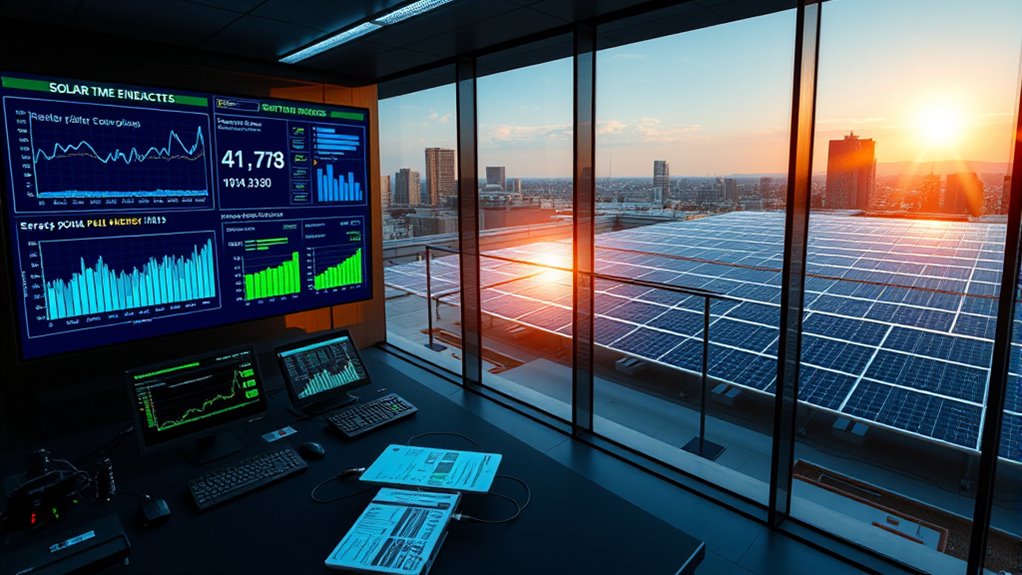

Smart power systems combine advanced energy management with solar integration to create flexible, efficient grids. You benefit from real-time monitoring, automated controls, and energy storage that balance supply and demand seamlessly. These systems adapt to changing solar outputs and maximize renewable usage, reducing reliance on fossil fuels. By optimizing how electricity flows and stores, they guarantee reliability and sustainability. Continuing will reveal how these innovations are shaping the future of energy better than ever before.

Get decor and gifts delivered free — and shop member deals
- Fast, free delivery on millions of items
- Access to Prime Big Deal Days deals on October 6–7
- Prime Video, Amazon Music and more included
Key Takeaways
- Integrates renewable solar energy seamlessly with grid automation and real-time monitoring systems.
- Utilizes advanced energy storage solutions to balance supply, demand, and stabilize the grid.
- Employs sensors and communication networks for instant feedback and dynamic energy management.
- Adapts to fluctuations in solar output, ensuring a reliable, continuous power supply.
- Enhances grid resilience and efficiency through smart control, automation, and flexible energy distribution.
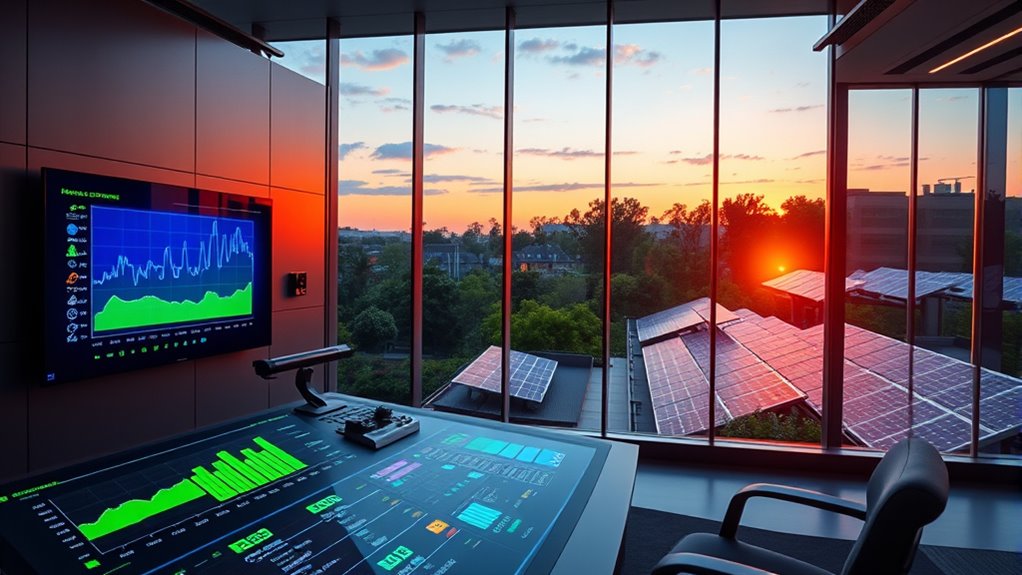
Have you ever wondered how modern power grids become smarter and more efficient? It all comes down to advancements in energy management and the integration of solar energy, which are transforming the way we generate, distribute, and use electricity. At the core of this transformation are smart power systems that leverage sophisticated technologies like energy storage and grid automation. These innovations work together to guarantee a reliable, sustainable, and flexible energy supply, even as demand fluctuates and renewable sources like solar power become more prevalent. Battery technologies are continually improving, making energy storage more efficient and affordable for widespread use. Energy storage plays a pivotal role in this new landscape. By capturing excess solar energy during peak sunlight hours, storage systems allow you to utilize that power later when the sun isn’t shining or during periods of high demand. This balancing act helps stabilize the grid, prevent outages, and reduce reliance on fossil fuels. When integrated with grid automation, energy storage becomes even more effective. Automated systems continuously monitor grid conditions, adjusting flows of electricity in real-time to optimize performance. They can determine when to draw from storage, when to feed power back into the grid, or when to curtail renewable generation to prevent overloads. This seamless coordination ensures that energy is always available where and when you need it most, minimizing waste and maximizing efficiency.
Smart power systems also incorporate advanced sensors and communication networks that enable grid automation. These technologies provide instant feedback on grid health, energy production, and consumption patterns. With this data, automated control systems can make split-second decisions, such as redistributing power or activating storage reserves, to maintain stability and reduce costs. This level of automation reduces the need for manual interventions, speeds up response times, and enhances the overall resilience of the grid. It also makes integrating solar energy more straightforward, as the system can adapt dynamically to fluctuations in solar output, ensuring consistent supply even on cloudy days.
As an affiliate, we earn on qualifying purchases.
Frequently Asked Questions
How Do Smart Power Systems Adapt to Fluctuating Renewable Energy Inputs?
Smart power systems adapt to renewable variability through adaptive control techniques that respond quickly to fluctuating energy inputs. You’ll see them adjusting energy storage and load management in real-time, ensuring a stable supply. These systems monitor renewable sources continuously, making instant decisions to balance supply and demand. This flexibility helps maximize renewable use, minimize waste, and maintain reliable power, even when renewable inputs change unexpectedly.
What Cybersecurity Measures Protect Advanced Energy Management Systems?
A stitch in time saves nine, so securing your smart power systems is essential. You should implement robust cybersecurity protocols and encryption standards to defend against cyber threats. Regular system updates, strong passwords, and multi-factor authentication help prevent unauthorized access. Monitoring network traffic and conducting vulnerability assessments also protect your energy management systems, ensuring they remain resilient against cyberattacks and maintain reliable, safe operations.
Can Existing Infrastructure Be Retrofitted for Smart Energy Integration?
Yes, you can retrofit existing infrastructure for smart energy integration. You’ll want to focus on an infrastructure upgrade that guarantees system compatibility with new smart technologies. This may involve installing advanced controllers, communication networks, and sensors. By upgrading key components, you ensure your system can seamlessly integrate solar and energy management features, improving efficiency and enabling real-time monitoring and control without completely replacing your current infrastructure.
How Do Smart Power Systems Optimize Energy Storage Solutions?
Imagine a symphony where every note counts. Smart power systems optimize your energy storage by focusing on battery optimization and load balancing, ensuring your batteries store excess solar energy efficiently and release it when demand peaks. They continuously monitor and adjust, preventing waste and extending battery life. This dynamic approach keeps your energy flow smooth, reliable, and ready to meet your needs, all while maximizing your renewable investments.
What Are the Cost Benefits of Implementing Solar Integration in Smart Grids?
Implementing solar integration in smart grids offers significant cost benefits, especially with battery innovation and policy incentives. You’ll reduce energy expenses by harnessing renewable power and storing excess energy efficiently. Policy incentives lower upfront costs, making solar projects more affordable. Over time, these systems cut operational costs, decrease reliance on fossil fuels, and boost energy savings, helping you achieve a more sustainable and cost-effective energy solution.
Conclusion
Imagine your home as a symphony orchestra, each instrument working in harmony to create beautiful music. Smart power systems are like the skilled conductor, seamlessly integrating solar energy and optimizing power use. As more homes adopt these technologies, we’re not just saving energy; we’re orchestrating a sustainable future. With solar integration growing at 20% annually, you have the power to be part of this transformative symphony—guiding us toward a cleaner, brighter tomorrow.
Fall Picks
fall essentials
As an affiliate, we earn on qualifying purchases.